
CanDo Laundry Services: Commercial Linen Hire & Laundry

Categories
Uncategorized

Spa Robe and Towel Turnaround: How Many Sets Does a Treatment Room Actually Need?

September 2026

Spa Robe and Towel Turnaround: How Many Sets Does a Treatment Room Actually Need?

The maths spa managers actually need, not a rule of thumb pulled from a brochure.

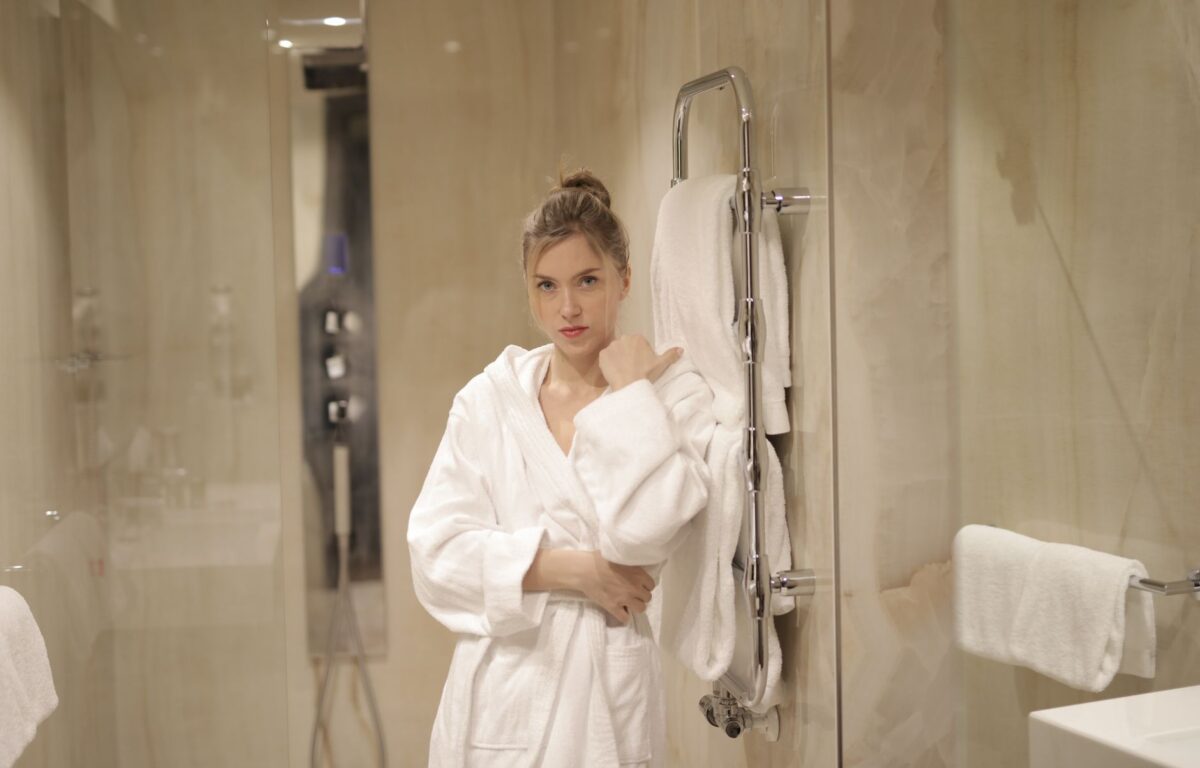
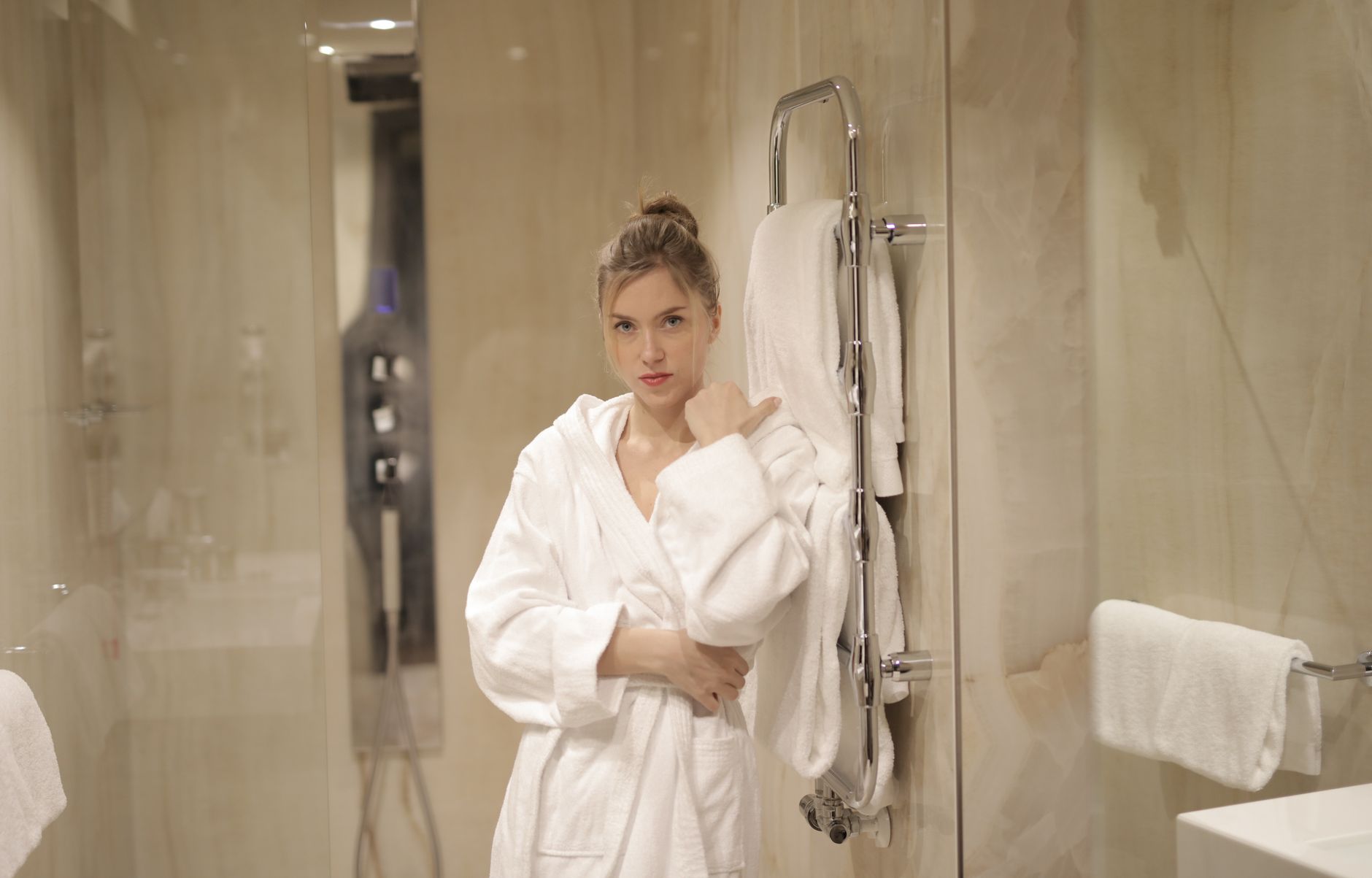
spa towel par stock — CanDo Laundry Services

You’ve run out of robes at 2pm on a Saturday, the busiest day of the week, and the next guest is due in twenty minutes. This happens because most spas size their linen stock on a guess rather than on actual booking numbers. Here’s how to work out how many robes, towels and treatment table sheets your spa genuinely needs, so this stops happening.

Start with bookings per day, not rooms

Room count tells you nothing on its own. What matters is how many treatments run through each room in a day. A single treatment room doing back-to-back 50-minute massages from 9am to 6pm can turn over eight or nine bookings. Each one needs a fresh robe (if guests wear one to the room), a couche cover, a modesty towel and usually a face towel.

Work out your busiest realistic day — not an average, the peak — and multiply bookings by items used per treatment. A spa running four rooms at eight bookings each, using four linen items per booking, gets through 128 pieces on that one day. That’s your daily consumption figure, and everything else is built from it.

The three-cycle rule for par stock

Once you have daily consumption, par stock is roughly three times that figure, split across three states: in use, in the wash (or with your laundry provider), and clean in the cupboard ready to go. This isn’t a CanDo invention — it’s the standard buffer used across hospitality linen management, because it accounts for the time linen spends away from the shelf.

So on the 128-piece day above, you’d want somewhere around 380–400 pieces in total circulation to avoid running short. If your laundry turnaround is faster than 24 hours, you can trim that down. If you’re on a next-day-plus-one collection schedule, or your spa is at the end of a hotel’s hotel laundry route, build in more slack, not less.

Robes need a different sum to towels

Robes don’t turn over as fast as towels because most spas reuse a robe across a guest’s whole visit — treatment, relaxation lounge, and back again — rather than issuing a fresh one per stage. That means robe consumption is closer to one per guest visit than one per treatment. Towels, on the other hand, get used and discarded at every stage: modesty towel, face towel, hand towel by the basin, bath sheet after the pool or steam room.

Treat these as two separate par stock calculations. A spa that lumps robes and towels into one “linen” figure usually ends up over-stocked on one and short on the other, which is the more common failure mode than simply not having enough total linen.

Build in a buffer for stains and hydrotherapy areas

Spa towels take more oil, mud and clay than almost any other linen category outside a kitchen. Hot stone treatments, mud wraps and self-tan removal all leave residue that needs a proper wash cycle to shift, not a quick rinse. Some of that stock will be pulled for rewash or condemned faster than standard hotel towelling.

Add 10–15% on top of your three-cycle par figure specifically to cover items that come back stained and need reprocessing or replacement. This is separate from normal wear — it’s the cost of running treatments that are, by nature, messy. If your spa sits within a hotel, this is worth flagging separately from the main hotel laundry contract, since spa-soiled linen often needs a different wash programme to lift oils properly.

Weekends and events change the whole calculation

A weekday par stock figure will fall apart on a Saturday, a bank holiday, or the week you run a spa day promotion. If your bookings double on peak days, your linen stock needs to be sized for that peak, not the weekday average — because you can’t conjure clean robes out of nowhere on a Saturday afternoon when your laundry collection isn’t due until Monday.

Build your par stock around your busiest predictable day, then treat any day below that as having spare capacity rather than the other way round. It costs more to hold slightly excess stock than it does to turn a guest away or hand them a robe that’s seen better days.

Worked example: Four treatment rooms, eight bookings each on a peak day, four linen items per booking = 128 pieces daily consumption. Apply the three-cycle rule: roughly 380–400 pieces in total circulation, plus a 10–15% buffer for stained or rewashed items on top of that.

What this means for hired vs owned stock

If you’re managing this stock yourself, every extra robe or towel you hold as buffer is capital sitting in a cupboard. Hired linen shifts that risk elsewhere — you pay for what you use plus an agreed buffer, and replacement of worn or stained stock is built into the service rather than an unplanned cost. For a smaller spa with predictable, low weekend swings, owning stock outright can still work out cheaper. For a spa with sharp peaks, hired stock with a laundry provider who can flex collection frequency around your calendar is usually the better fit.

Getting spa par stock right comes down to knowing your peak bookings, splitting robes from towels, and building in a buffer for the mess treatments genuinely make — guesswork is what leaves you short on a Saturday afternoon. If you want a proper worked figure for your own rooms and booking pattern, get a quote from CanDo and we’ll work through the numbers with you.

Not sure your spa linen stock is right?

We’ll walk through your booking numbers and tell you honestly whether you’re over or under-stocked.

Get a Free Assessment →


Spa Linen
Par Stock
Hospitality Linen
Categories
Uncategorized

Chef Whites Gone Yellow? Here’s What’s Actually Causing It

September 2026

Chef Whites Gone Yellow? Here’s What’s Actually Causing It

It’s rarely the fabric. It’s almost always what’s happening in the wash and dry.

chef in clean white jacket in a professional kitchen — CanDo Laundry Services

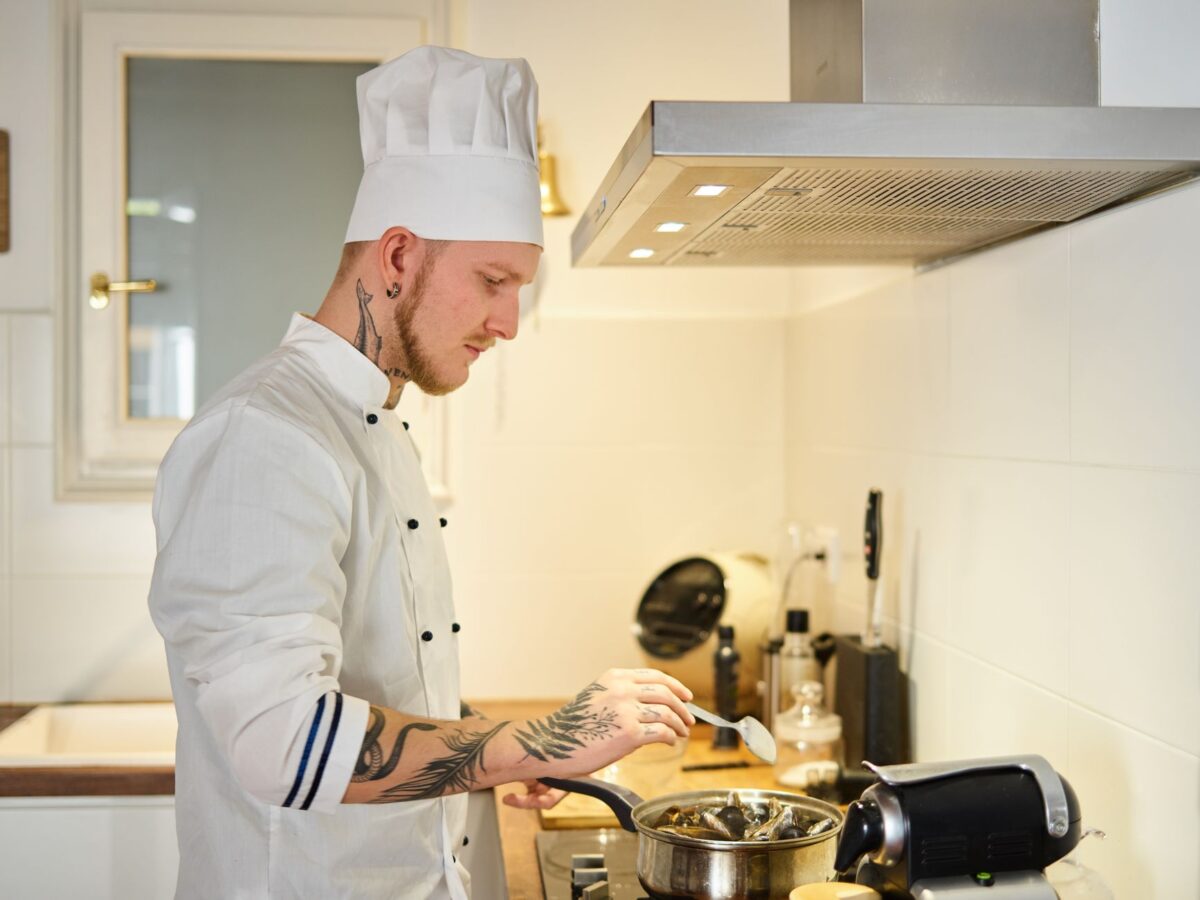
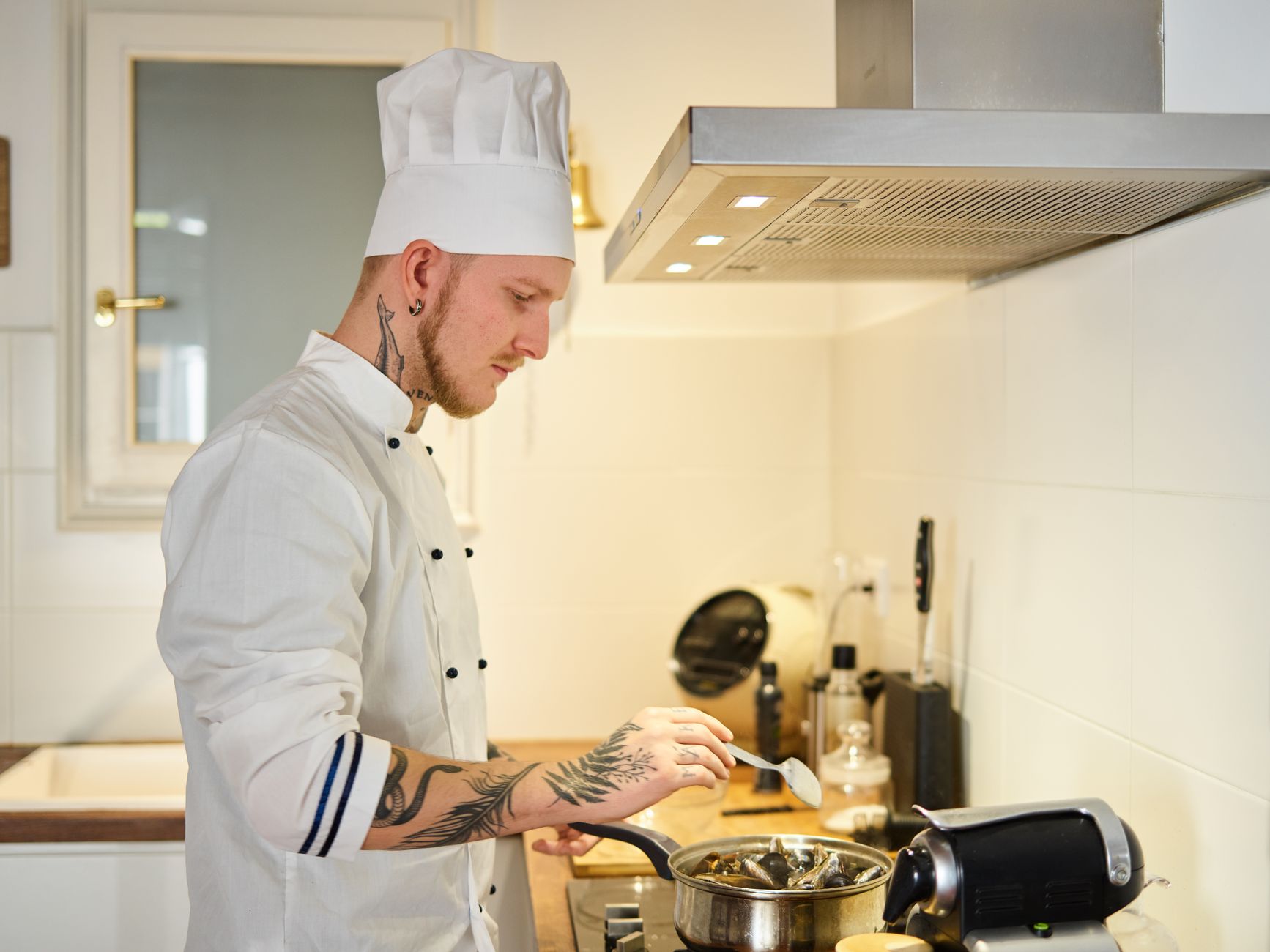
You pulled a jacket off the rail this morning and it looked more custard than white. The kitchen is spotless, the chef swears they only wore it once, and yet three jackets in the same batch have gone the same dull yellow-grey. Why do chef whites go yellow? Almost always it’s one of three things: detergent residue building up in the fibres, iron or minerals in the water reacting with the fabric, or the whites being dried too hot for too long and the fibres scorching slightly each time. Bleach damage and simple fabric age can also do it, but those two are easier to spot once you know what to look for.

Detergent build-up is the most common cause

If every wash uses slightly more detergent than the water can rinse out, the residue sits in the weave. Over weeks it oxidises and turns a pale yellow — worse under arms and at the collar where sweat and oil add to it. This is a dosing problem, not a fabric problem.

The fix is simple but often ignored: check the detergent dose against your actual water hardness and load weight, not a generic setting from months ago. Too little detergent leaves grease behind; too much leaves residue behind. Both look like yellowing eventually. A proper final rinse cycle matters more here than most kitchens realise — cutting it short to save time is usually what starts the problem.

Hard water and iron staining

If your yellowing has a slightly orange or rust tint rather than a flat custard colour, look at the water supply before you look at the wash programme. Iron and manganese in hard water bind to cotton fibres and oxidise with heat, producing a yellow-orange discolouration that gets worse with every hot wash. It’s common in older buildings with galvanised pipework, and it will affect towels and linen the same way it affects chef whites, so if your bar towels are yellowing too, that’s your confirmation.

Water softening or a rust-specific pre-treatment before the main wash resolves this. Standard detergent and standard bleach won’t touch it, and heavier bleaching often makes it worse by fixing the stain rather than lifting it.

Over-drying is quietly scorching the fabric

Cotton and cotton-poly chef whites are more heat-sensitive than most kitchens assume. A tumble dryer run too hot, or for too long after the load is already dry, causes a very slight scorch that shows as a warm yellow tint — most visible on collars, cuffs and anywhere the fabric doubles over on itself during the cycle. It’s subtle enough that most people blame the wash, not the dry.

If jackets come out of the dryer noticeably hotter than they need to be, or the cycle runs long “just in case”, that’s your answer. Cotton whites should come out warm, not hot, and the cycle should end as soon as the load is dry rather than running a fixed extra ten minutes.

How to tell it’s not just age or bleach damage

Fabric that’s simply old goes grey and thin rather than yellow — the weave loosens and the whiteness fades evenly. That’s wear, and no amount of re-washing brings it back. Bleach damage looks different again: it weakens the fibre first, so you’ll usually see thinning or small holes alongside any colour change, and it tends to be patchy rather than uniform.

True yellowing from residue, water minerals or heat is usually even across the garment and appears on jackets that are otherwise in good condition — strong seams, no thinning, no holes. If that’s what you’re looking at, it’s a process issue you can fix, not a garment you need to replace.

What actually gets whites back to white

Once you’ve identified the cause, the fix is specific to it:

For detergent build-up: run an extra rinse cycle on the affected batch with no detergent at all, then correct the dosing going forward. This alone often lifts most of the tint.

For hard water staining: a rust-remover pre-treatment (not bleach) followed by a wash with a water softener added will usually recover the garment. Ongoing prevention needs a permanent water treatment fix, not a per-wash workaround.

For heat scorching: there’s no undoing it on the affected garments — the fibre itself has changed. Adjust the drying programme so it doesn’t happen to the next batch.

If none of this shifts it after two attempts, the garment has probably reached the end of its useful life, and no amount of re-washing will bring it back. That’s a normal part of a laundry cycle for any kitchen — the question is whether it’s happening after twenty washes or two hundred.

Why kitchens keep hitting this problem in-house

Getting dosing, water treatment and drying temperature right consistently, load after load, day after day, is harder than it looks — and it’s the reason most kitchens that try to manage whites on-site end up with a drawer of yellowed jackets within a few months. A commercial restaurant linen service runs the same equipment at commercial volume with water treatment and dosing calibrated for exactly this fabric, which is why chef whites processed through a proper laundry stay white for far longer than the same garment washed in a kitchen’s own machine. The same logic applies to any uniform under heat and grease stress — it’s the same reasoning behind why most kitchens and hotels eventually move their workwear laundry off-site entirely.

Get whites that stay white

If your chef jackets are yellowing faster than they should, the fix is usually in the process — not the garment.

Get a Free Assessment →


Chef WhitesRestaurant LaundryFabric Care
Categories
Uncategorized

Vet Practice Table Coverings and Gowns Aside — What Actually Needs Bagging Separately for Laundry?

September 2026

Vet Practice Laundry: What Actually Needs Bagging Separately?

Get segregation wrong and you’re not just risking infection control — you’re risking a laundry that refuses the load.

vet practice laundry segregation — CanDo Laundry Services

Your practice manager has just asked why last week’s laundry came back with a rejection note. The answer is almost always the same: something went into the wrong bag. Vet practice laundry isn’t like a hotel’s — you’re dealing with body fluids, isolation cases and instruments-adjacent fabric, and a laundry provider working under EN 14065 has to treat contaminated and non-contaminated loads completely differently from the moment they’re picked up. Get the bagging right at your end and collections go smoothly. Get it wrong and you’ll see items sent back, or worse, a genuine cross-contamination risk in your own building before the van even arrives.

The short answer: three categories, three bags

Most practices only need three streams. General theatre and consult linen (drapes, gowns, table coverings with no visible contamination) goes in one bag. Anything visibly soiled with blood, faeces, urine or other body fluids goes in a second, clearly marked bag — usually red or with a water-soluble liner. Isolation or barrier-nursing cases get their own bag every single time, regardless of how the item looks, because the risk isn’t visible contamination, it’s what might be there.

If your practice runs more than one theatre or handles a mix of small animal, equine or exotic cases, add a fourth stream for heavily hair-laden bedding — it’s not an infection risk in the same way, but it clogs machines and irritates other loads if it’s mixed in.

What definitely goes in the contaminated bag

  • Any table covering or gown with visible blood, pus, vomit or faecal matter
  • Theatre drapes from surgical procedures, even if they look clean — treat all post-op drapes as contaminated
  • Recovery bedding used by an animal that has vomited, urinated or defecated during recovery
  • Anything from a dental procedure — dental work produces aerosol and fluid contamination that isn’t always visible

The rule of thumb we give practices: if you’d hesitate to touch it bare-handed, it goes in the red bag. Don’t rely on visual inspection alone for anything that’s been near a procedure.

Isolation cases: separate every time, no exceptions

This is the category practices most often get wrong, usually because an isolation case looks like a normal recovery case by the time laundry is collected. Anything used for a barrier-nursed or suspected infectious patient — parvo, ringworm, kennel cough, anything notifiable — needs its own bag, clearly labelled, kept separate from the moment it leaves the kennel. Don’t wait to see if the item looks dirty. The whole point of isolation protocol is that you don’t get a second chance if it’s mixed in with everything else.

Some practices double-bag isolation laundry as standard, with the inner bag water-soluble so staff at the laundry never have to open it manually. If your current provider isn’t offering that option, it’s worth asking — a laundry working to EN 14065 should have a documented process for exactly this, the same way NHS providers manage infectious linen under healthcare laundry protocols.

Colour coding that actually holds up under pressure

Colour coding only works if every member of staff uses it the same way, every time, including on a Friday evening with a full waiting room. Keep it simple:

  • White or clear bags — general, non-contaminated linen (unused drapes, clean gowns returned from storage)
  • Red bags or red-lined bins — visibly contaminated items
  • Yellow or clinical waste-style bags — isolation and barrier-nursing laundry, water-soluble inner liner if possible

Laminate a one-page chart and put it above every laundry bin in the building — theatre, prep room, kennels, recovery. New staff and locums won’t know your system unless it’s written down somewhere they can see it mid-shift.

What happens if it’s mixed up wrong

A laundry provider working under EN 14065 has to keep dirty and clean processing physically and procedurally separate — that’s the whole basis of the standard. If a bag arrives with visibly contaminated items mixed into a general load, most providers will either reject the whole bag back to you or process it as fully contaminated, which usually costs more and takes longer. Either way, you lose linen availability at exactly the point you need it back. It’s the same principle that applies to workwear laundry for food production or industrial sites — segregation at source is what keeps turnaround fast and cost predictable.

There’s also a real risk on your own premises. A contaminated gown sitting in a general linen bin for a few hours is a route for cross-contamination onto staff hands, other laundry, and surfaces nearby. Getting segregation right isn’t paperwork — it’s the actual mechanism that stops infection spreading inside your practice before the laundry ever gets involved.

Building it into your daily routine

The practices that never have rejection problems are the ones who treat bagging as part of the procedure, not an afterthought at the end of the day. Bag contaminated items at the point of removal — straight off the table, straight into the right bag — rather than collecting everything into one bin and sorting it later. Sorting later is where mistakes happen, because by then nobody remembers which gown came from which case.

Train locums and new starters on your colour system on day one, not week three. And do a spot check every few months: open a general bag before it’s collected and see whether anything’s crept in that shouldn’t be there. It’s a five-minute check that saves a rejected collection and an awkward phone call.

Getting vet practice laundry segregation right protects your patients, your staff and your relationship with whoever collects your linen. If you’re not confident your current provider handles isolation and contaminated loads properly under EN 14065, or you want a straightforward colour-coding system set up for your practice, get a quote from CanDo and we’ll talk through exactly how your loads would be handled.

Not sure your current segregation process holds up?

We’ll take a look at how your practice handles contaminated and isolation laundry and tell you honestly where the risk is.

Get a Free Assessment →


Healthcare LaundryInfection ControlVet Practices
Categories
Uncategorized

Vet Practice Table Coverings and Gowns: What Actually Needs Laundering After Every Patient?

September 2026

Vet Practice Table Coverings and Gowns: What Actually Needs Laundering After Every Patient?

Not everything on the consult table needs changing between animals — but some things absolutely do.

vet practice laundry after every patient — CanDo Laundry Services

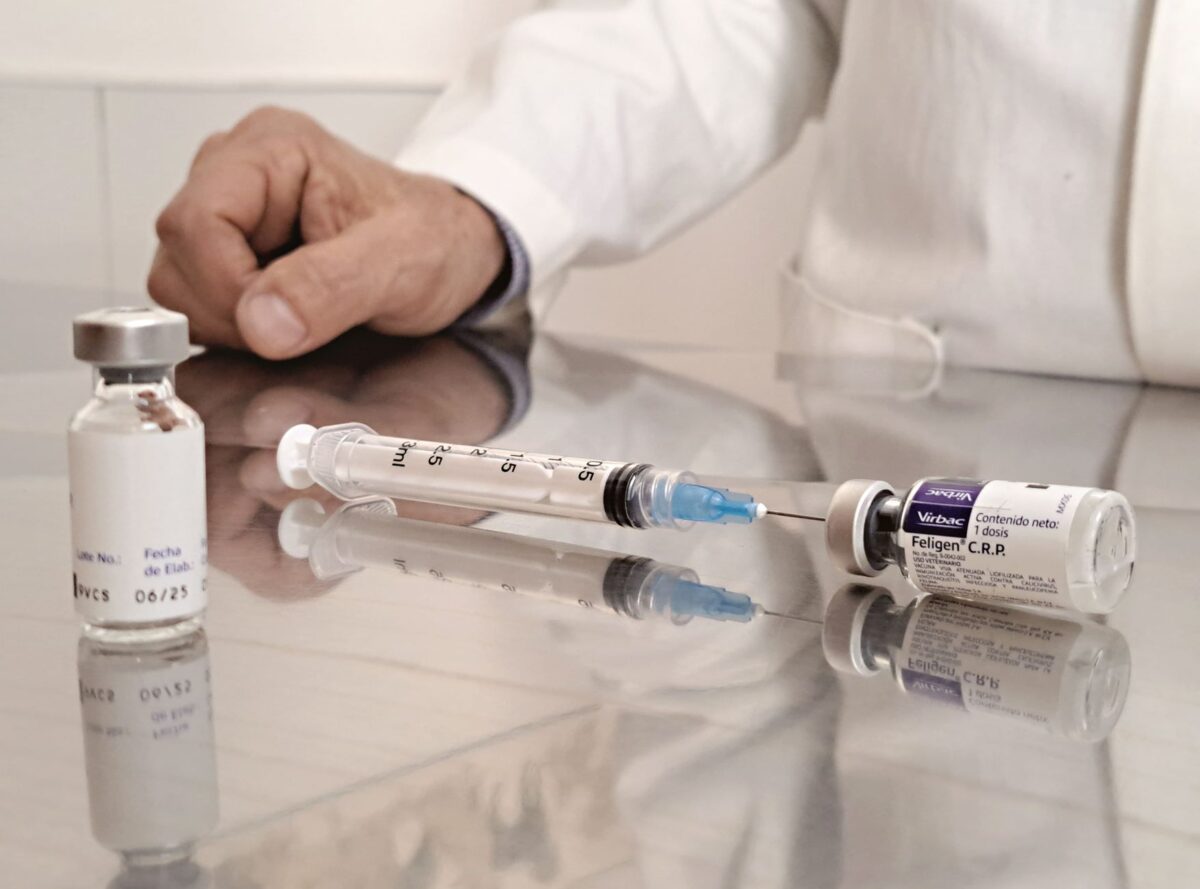
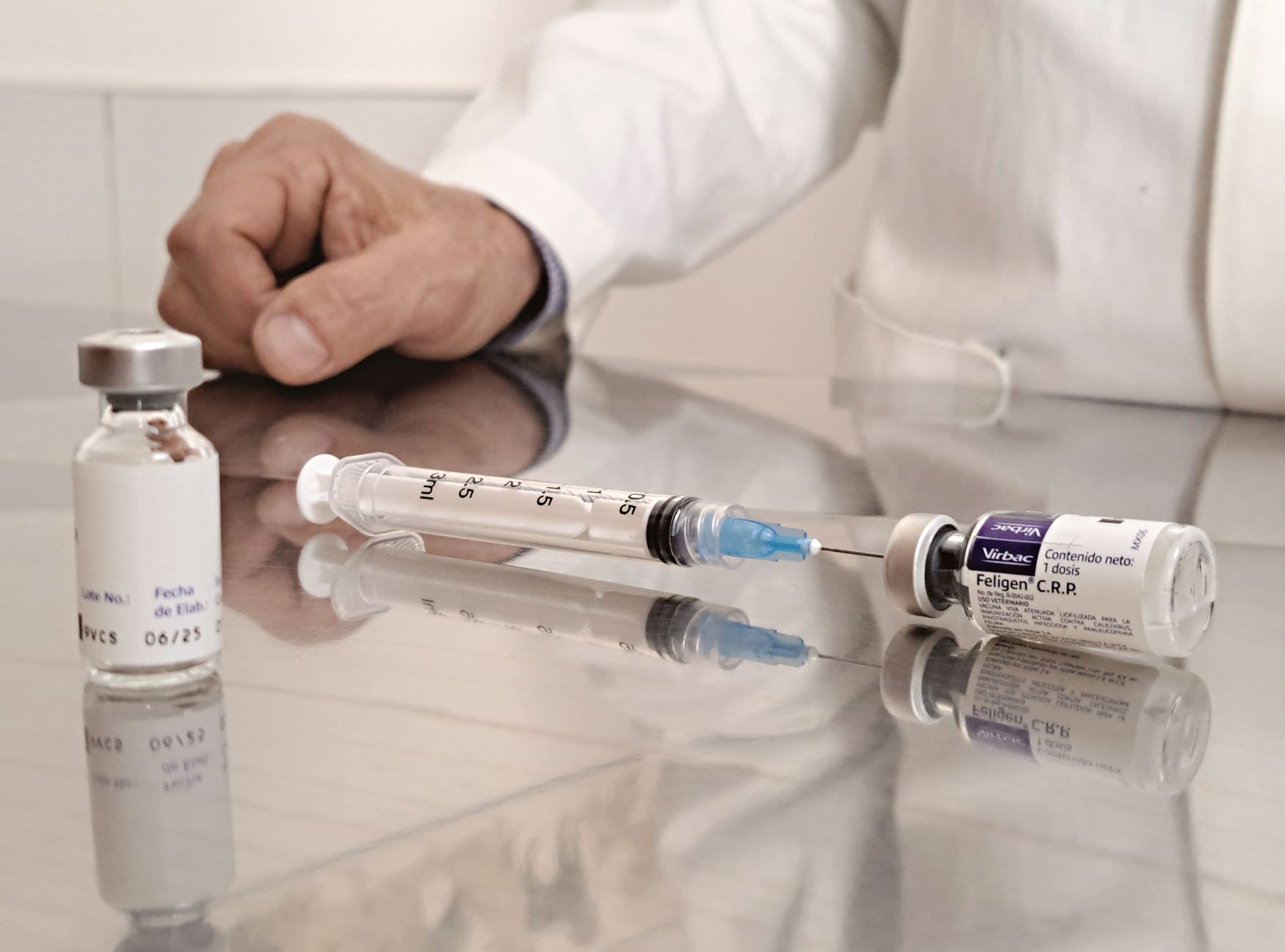
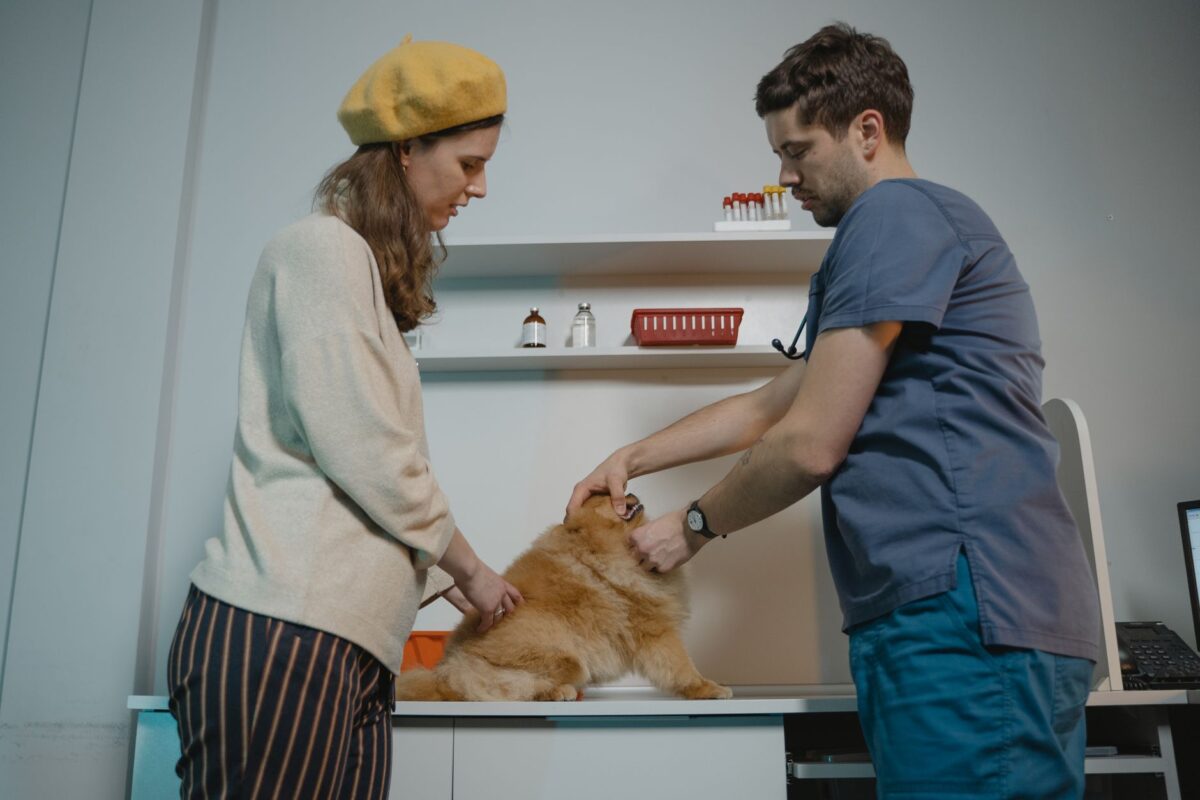
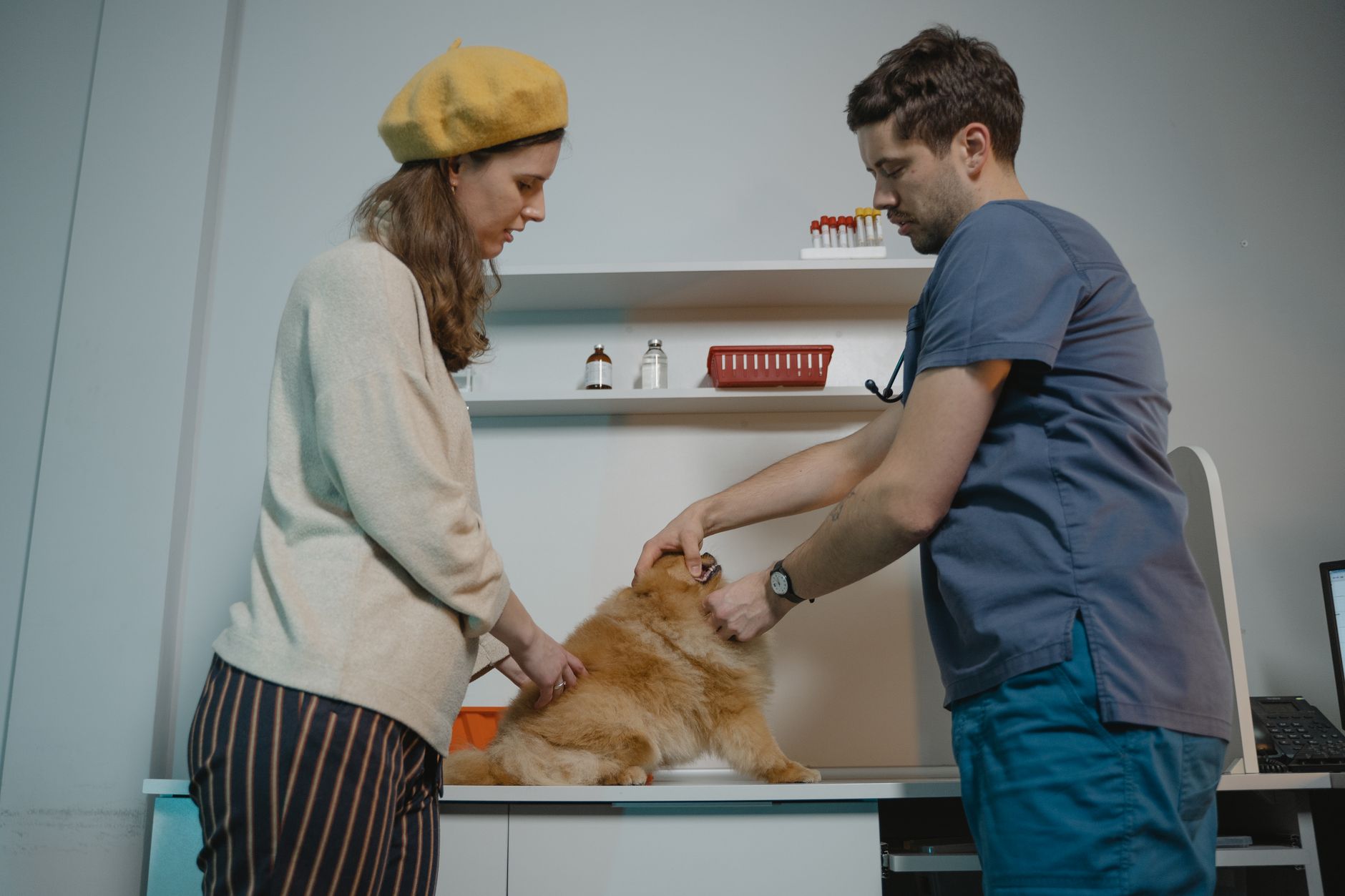
Your consult room table has had a cat, a dog with a weeping ear, and a rabbit through it by 10am, and someone always asks whether the table cover needs changing between every single one. The honest answer is: it depends what’s on it, not just what’s been on it. Get this wrong and you either burn through linen stock (and budget) unnecessarily, or you leave contaminated fabric on a table for the next patient. Here’s what actually needs a fresh wash after every patient, what can run for a session, and what belongs in a proper laundering cycle rather than a home wash.

Table coverings: the rule is fluid, not species

A table covering needs changing the moment it’s had contact with blood, urine, faeces, vomit, discharge or any visibly soiled coat — regardless of whether the next patient is a Chihuahua or a Great Dane. If a consult was dry — a vaccination, a weight check, a nail trim on a calm animal — the covering can often run for the next appointment too, provided your practice protocol allows it and you’re inspecting between uses.

Where practices go wrong is treating “same species, same size” as the deciding factor. It isn’t. A visibly clean cover from a healthy dog can outlast three appointments. A cover that’s had one incontinent senior cat on it needs to come off immediately, no matter what’s booked in next.

Surgical drapes and gowns: every single patient, no exceptions

Anything used in theatre — drapes, gowns, surgical towels — gets laundered and, where required, sterilised after every patient. There’s no judgement call here. Surgical sites are the one area of a vet practice where infection control standards mirror hospital theatre practice closely, and reusing a drape based on how “clean” it looks is not a defensible position if something goes wrong. This is also where the case for outsourcing to a laundry running to EN 14065 RABC standards is strongest — you get a documented, repeatable disinfection cycle rather than a best-guess wash at 40°C in a domestic machine in the staff room.

Isolation ward bedding and coverings follow the same rule: every patient, every time, handled as if contaminated because in an isolation setting, it usually is.

Staff scrub tops and tunics: daily, not per patient — with one exception

Uniform scrubs and tunics don’t need changing between every consult. Daily laundering is the standard most practices run, and it’s adequate for general handling, provided staff change immediately after any visible contamination — a bite wound clean-up, an anal gland expression that goes wrong, a birthing case. The exception that trips practices up is theatre scrubs worn specifically for surgery: those should be treated as a separate garment from day-to-day tunics and laundered after every surgical list, not carried through into afternoon consults. If your practice is still asking staff to take contaminated tunics home in a carrier bag, that’s a liability sitting in someone’s washing machine — we’ve covered the wider question of workwear laundering for exactly this reason, and the same logic that applies to food production PPE applies here.

Kennel and cage bedding: per occupant, always

Bedding, blankets and towels used in kennelling or recovery cages need changing when the animal leaves, full stop — not when it “looks dirty”. Urine-soaked bedding left in a cage between animals is one of the fastest routes to cross-contamination in a practice, and it’s also one of the easiest things to get right, because it just needs a system: strip on discharge, never on a visual check.

Getting the wash right, not just the frequency

Frequency solves half the problem. The wash itself solves the rest. Blood, faeces and discharge are protein and organic soils that need a thermal disinfection cycle to actually kill what’s in them — a domestic 30°C quick wash at home doesn’t get close, whatever the temptation to let staff take kit home to save time. A commercial laundry running at 60°C-plus with a proper hold time, the same standard applied in NHS HTM 01-04 linen processing, is doing something a washing machine in someone’s kitchen cannot replicate. If your current setup relies on staff washing gowns or tunics at home, it’s worth reading what actually happens when practices try to manage this themselves — the short version is that home washing doesn’t reliably decontaminate, and it moves the liability onto an individual member of staff rather than the practice.

This is the same reasoning that applies across healthcare laundry more broadly — dental practices, care homes, hospitals — where the standard isn’t “does it look clean” but “has it actually been disinfected to a documented temperature and hold time”.

What this means for your linen stock

Once you separate “changes every patient” from “changes daily” from “changes per session”, you can work out realistic par levels instead of guessing. Theatre drapes and gowns need enough stock to cover your busiest surgical day with a laundry turnaround built in — usually three to four sets per theatre slot if you’re on a next-day collection. Table coverings need less than practices assume, because most consults are dry. Kennel bedding needs the most volume of all, because occupancy and turnover drive it, not appointment count.

Getting the per-patient rules right protects your patients and your staff, and getting the volumes right protects your budget — but only a laundry partner that understands the difference between a soiled table cover and a contaminated theatre drape will get both right consistently. If your current arrangement is guesswork dressed up as a protocol, get a quote and we’ll work out what your practice actually needs, patient by patient.

Not sure what your practice actually needs washed, and how often?

We’ll look at your patient flow, theatre schedule and kennel occupancy and tell you honestly what needs changing per patient versus per session.

Get a Free Assessment →


Healthcare LaundryVet PracticeInfection Control
Categories
Uncategorized

Scraper Mats vs Entrance Mats: Which One Does Your Doorway Actually Need?

September 2026

Scraper Mats vs Entrance Mats: Which One Does Your Doorway Actually Need?

Get this wrong and you’ll be mopping the same puddle every morning until March.

scraper mats vs entrance mats — CanDo Laundry Services

You’ve noticed the lobby floor is wet by 9am, the mat in front of your door is soaked through by lunchtime, and someone’s slipped near reception twice this month. The question isn’t whether you need a mat — you’ve already got one. The question is whether you’ve got the right mat in the right place. A scraper mat and an entrance mat do different jobs, and putting the wrong one down is the reason your floors are still a hazard despite spending money on matting.

The short answer

Scraper mats go outside, on the last few steps before the door, and their job is to rip grit, gravel and loose mud off a shoe sole through rough, aggressive texture. Entrance mats go just inside the door, and their job is to pull moisture out of the sole and hold it, using absorbent fibre. Most busy commercial doorways — hotels, restaurants, care homes, offices with any footfall — need both, in that order. One without the other only solves half the problem.

How to tell which one you’re looking at

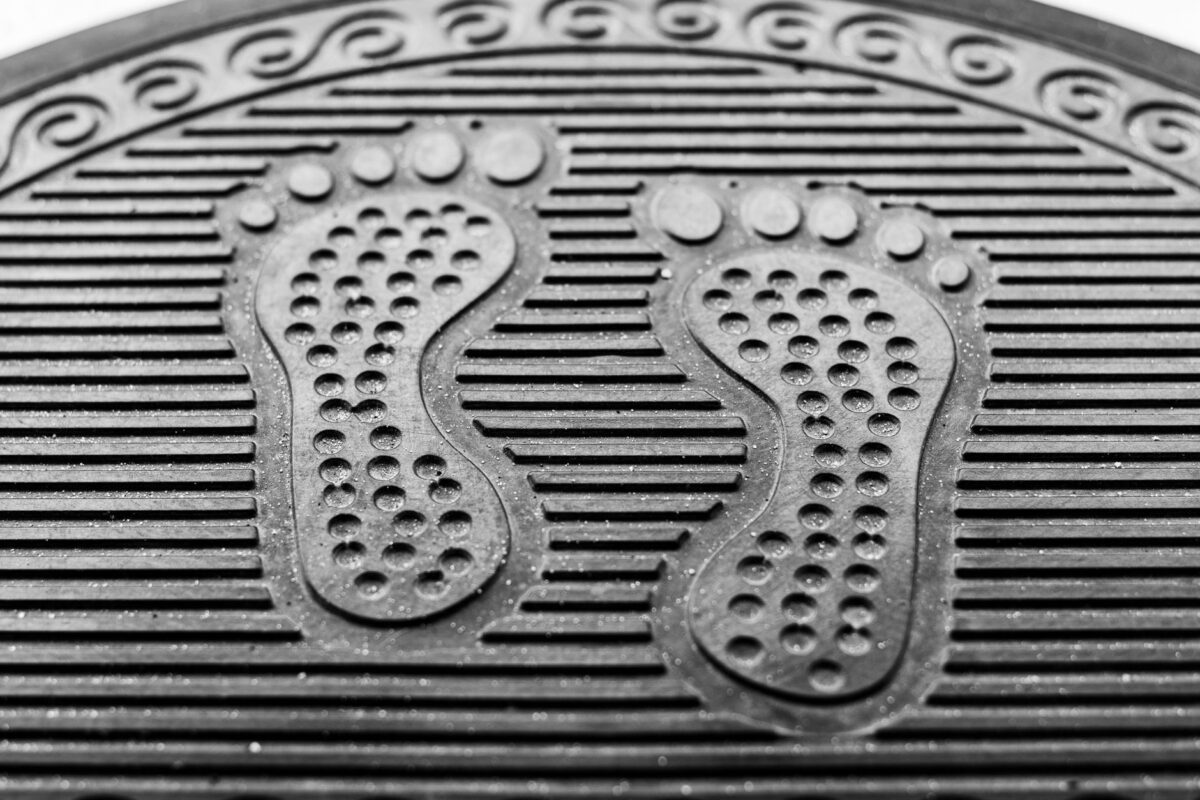
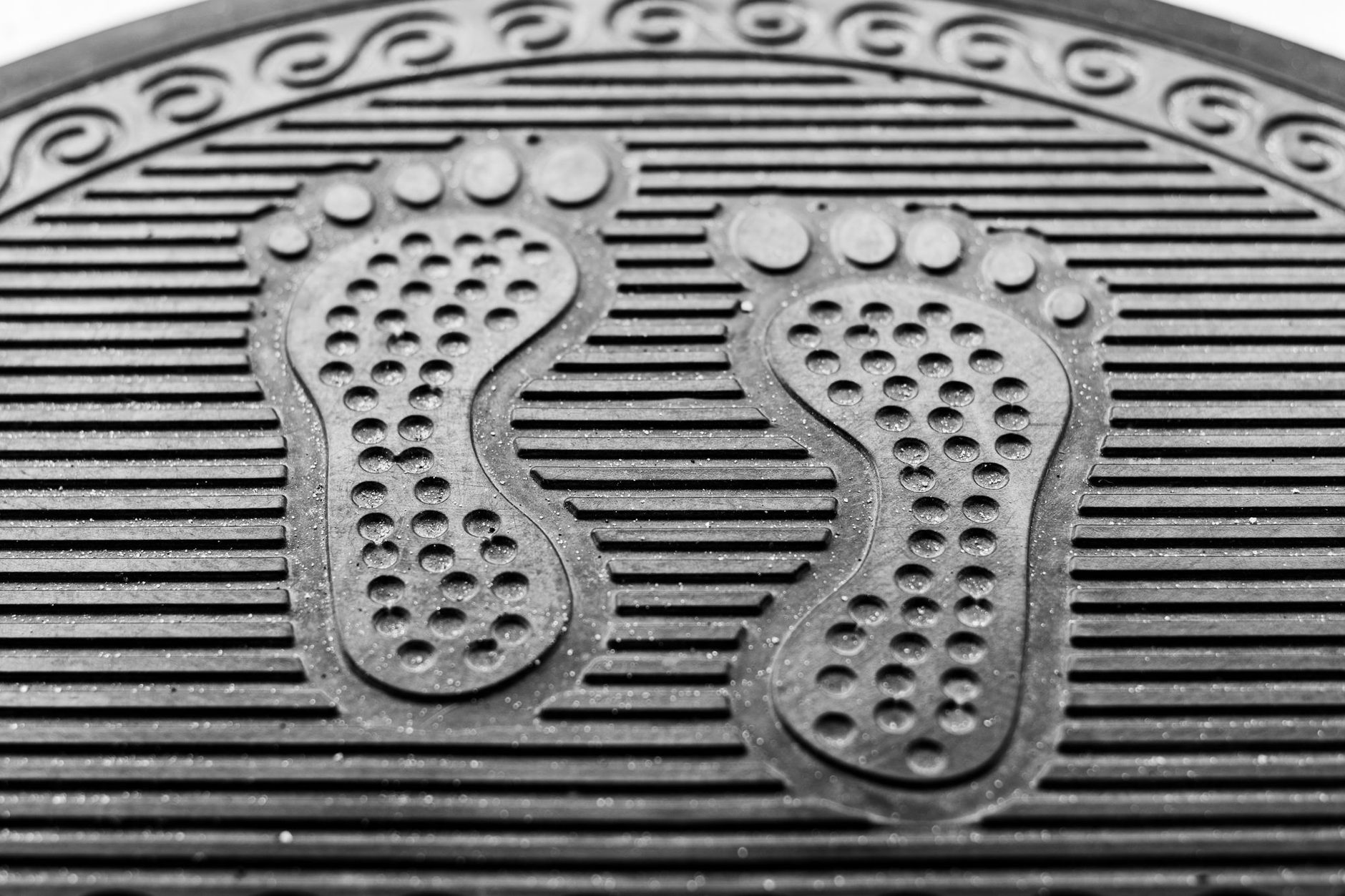
Scraper mats are usually rubber, coir, or a stiff ribbed synthetic. They feel hard underfoot and look like they’re meant to be walked on hard. They don’t absorb much — that’s not their job. If yours is soaked through and squelching, it’s not a scraper mat, or it’s a scraper mat being asked to do an entrance mat’s work.

Entrance mats are soft-piled, nylon or polypropylene, often with a rubber backing that grips the floor. They’re the ones that go grey and matted down over a few weeks if nobody’s changing them. If you press on it and water comes up, it’s doing its job — up to a point. Past that point it’s just transferring water to the next person’s shoes.

Where the mistake usually happens

The most common error we see on site visits is a single entrance mat placed right at the threshold, with nothing outside at all. In wet weather, that one mat is trying to scrape and absorb, and it fails at both by lunchtime. The fix is almost always the same: put a scraper mat on the approach — the last two or three paces before the door — and let the entrance mat inside do the drying.

As a rule of thumb, you want enough mat length that a person takes at least four to six steps on matting before they reach hard flooring. Fewer steps than that and moisture and grit are still on the sole when it hits your floor. For a hotel with a covered porch or a restaurant with a lobby, that’s usually a scraper mat outside and a run of entrance matting through the vestibule — not one mat doing both jobs.

Do you need both, or just one?

Not every doorway needs the full setup. It depends on what’s outside your door.

If your entrance opens straight off a car park, a gravel path, or anywhere with loose grit and mud, you need a scraper mat — no way around it. If your entrance is under cover, off a clean paved area, or inside a shopping precinct with no direct weather exposure, you can often get away with entrance matting alone, because there’s nothing to scrape off in the first place.

The other variable is footfall. A 12-bedroom guesthouse with light traffic can manage on a decent entrance mat changed and cleaned on a sensible schedule. A 90-room hotel with coach parties, a busy restaurant with a car park entrance, or a care home with wheelchairs and trolleys coming through all day needs the scraper-plus-entrance combination, because a single mat wears out or saturates faster than it can be maintained.

Maintenance is the part everyone skips

A mat that’s never cleaned stops working long before it looks obviously dirty. Scraper mats need the grit shaken or vacuumed out regularly — once grit is packed into the texture, it stops gripping shoe soles and starts scratching your floor instead. Entrance mats need laundering, not just vacuuming, because ground-in moisture and soil break down the pile and the rubber backing over time, and a mat that’s saturated at 10% capacity is not saving your floors at all.

This is the same logic that applies to hotel laundry generally — a linen or textile item only works if it’s cycled through cleaning often enough to stay effective, not just replaced when it looks obviously worn out. Matting is no different. A rental and laundering contract that swaps mats on a fixed schedule solves the problem you’d otherwise be solving with a mop and a member of staff pulled off other duties every wet morning.

What this looks like for a real entrance

Take a mid-size hotel with a porch and a set of double doors opening onto a car park. A scraper mat sized to the porch width, positioned on the last steps before the doors, catches the grit and gravel. Inside, an entrance mat running through the vestibule for four to six paces catches the residual moisture before guests reach the lobby carpet. Both get collected, laundered and replaced on a rota rather than left until they’re visibly filthy. That’s the difference between a lobby floor that’s dry by mid-morning and one that’s still a hazard at closing time.

If you’re not sure which combination your entrance actually needs, or you’ve got a mat doing a job it was never built for, it’s worth getting someone to look at the doorway rather than guessing. Get a quote and we’ll tell you honestly whether you need one mat or two, and how often they need collecting to actually keep working.

Not sure your matting is right for your entrance?

We’ll take a look at your doorway, your footfall and what’s outside your door, and tell you what actually needs to change.

Get a Free Assessment →


Floor MatsEntrance MattingFacilities
Categories
Uncategorized

What Does EN 14065 Actually Require? A Plain-English Guide for Laundry Buyers

September 2026

What Does EN 14065 Actually Require? A Plain-English Guide

The certificate on the wall means something specific. Here’s what it actually checks.

EN 14065 — CanDo Laundry Services

You’ve seen “EN 14065 certified” on a laundry provider’s website or tender document, and you’ve nodded along without quite knowing what it commits them to. That’s fair — the standard itself is written for auditors, not buyers. This guide strips out the jargon and tells you what EN 14065 actually requires a laundry to do, and what questions to ask if a provider claims it.

EN 14065 in one sentence

EN 14065 is the European standard for Risk Analysis and Biocontamination Control (RABC) in laundry — it requires a laundry to identify every point where linen could pick up contamination, and prove they have a system to stop it happening, not just a hope that their wash temperature sorts it out.

That last part matters. A lot of buyers assume hygiene compliance means “washes hot enough to kill bacteria.” EN 14065 goes further. It covers the whole journey: how dirty linen is collected and kept apart from clean, how staff move between zones, how machines are maintained, and how the laundry proves — with records, not promises — that the system actually works week to week.

What “risk analysis” actually means on the laundry floor

In practice, RABC means mapping every stage where clean linen could meet contamination and closing the gap. The classic example is the barrier wash system — physically separate “dirty side” and “clean side” of the plant, with staff, air flow and equipment kept apart so soiled linen never crosses paths with washed linen.

A laundry working to EN 14065 should be able to show you, without hesitation:

– Where the dirty-to-clean barrier sits in their building, and how staff move through it
– Wash programme validation — proof that the thermal or chemical disinfection stage actually reaches the temperature and hold time it claims to
– How they handle a batch that fails a check — what gets rewashed, quarantined or scrapped
– Cleaning and maintenance records for machines that touch linen, not just the finished product

If a provider can only answer the first of those, they’re describing good housekeeping, not RABC.

Where this actually bites: healthcare and food

EN 14065 sits alongside sector-specific rules rather than replacing them. For NHS and private healthcare linen, healthcare laundry providers also work to HTM 01-04, which is more prescriptive about infected linen handling, categorisation and thermal disinfection cycles. EN 14065 is the underlying quality system; HTM 01-04 is the healthcare-specific rulebook sitting on top of it.

For kitchen and front-of-house linen, FSA guidance on food safety expects tablecloths, napkins and chef whites to arrive free of contamination that could transfer to food-contact surfaces — a laundry serving restaurant linen customers should be able to point to the same RABC controls even though there’s no restaurant-specific certification standard equivalent to HTM 01-04.

Hotels sit in the middle. There’s no legal requirement forcing a hotel laundry provider to hold EN 14065, but guest-facing linen — towels, sheets, pillowcases — carries real reputational risk if hygiene slips. Buyers increasingly ask for it in tender documents even where it isn’t mandated, because it’s the clearest third-party proof available.

Certified vs “working to the standard”

This is where a lot of buyers get caught out. A provider can genuinely follow RABC principles without holding third-party certification, and a provider can hold a certificate that’s out of date or covers only one site. Ask three specific things before you take “we’re EN 14065 compliant” at face value:

– Which certification body issued it, and when was the last audit
– Does it cover every site that will process your linen, or just the head office
– Can they show you the risk analysis document itself, not just the certificate

A provider with nothing to hide will produce these without friction. One who gets defensive about it is telling you something.

What it costs to get wrong

There’s no fine for a private laundry that isn’t EN 14065 certified — this isn’t a legal requirement in the way HTM 01-04 is for NHS linen contracts. The cost shows up elsewhere: a norovirus outbreak traced back to hotel linen, a food hygiene inspection that flags cross-contamination risk from kitchen textiles, or simply losing a tender to a competitor who can produce the paperwork on request. For workwear used in food production or clinical settings, the same logic applies — a workwear laundry provider handling garments that go back onto a factory floor or into a ward needs the same barrier-wash discipline as one handling hospital linen.

What to ask your current or prospective provider

Four questions cut through most of the marketing language:

1. Is your RABC system third-party certified, and by whom?
2. Which of your sites does the certificate cover?
3. Can I see your validated wash programme data for the linen grade I’m sending you?
4. What happens to a batch that fails a hygiene check — walk me through it?

If you get straight answers to all four, you’re dealing with a laundry that treats hygiene control as a system rather than a slogan.

EN 14065 isn’t a marketing badge — it’s a working system that should show up in how a laundry separates dirty from clean, validates its wash cycles and keeps records to prove it. If you want to know exactly what your current provider can and can’t demonstrate, or you’re comparing quotes and need to know what questions actually matter, get a quote from CanDo and ask us the same four questions above — we’re used to answering them.

Not sure your current laundry meets the standard?

We’ll walk you through what RABC compliance should look like for your sector.

Get a Free Assessment →


ComplianceBuying a Laundry ServiceEN 14065
Categories
Uncategorized

Linen Hire for Events: What to Expect and How to Get It Right

September 2026

Linen Hire for Events: What to Expect and How to Get It Right

From wedding receptions to corporate dinners — here’s how to get event linen hire working smoothly.

linen hire for events — CanDo Laundry Services

Linen hire for events sounds simple, but the details matter. Choose the wrong supplier and you risk creased tablecloths, short deliveries on the morning of the event, or a scramble to return items on time. This guide covers what a good event linen hire service includes, what questions to ask before you book, and how to avoid the most common problems — so your event looks sharp from the first guest to the last.

What Does Event Linen Hire Actually Include?

Most commercial linen hire services supply tablecloths, napkins, chair covers, and table runners. Some also include bed linen for residential events or overnight venues. Items arrive freshly laundered and pressed, ready to use straight from the delivery.

The hire period is usually defined by your contract — commonly 24 to 72 hours for a one-off event. You use the linen, return it soiled, and the laundering is handled by the supplier. You are not expected to wash anything yourself.

Check what happens if items are stained or damaged. A reputable supplier will have a clear policy. Minor food and drink stains are normally covered as fair wear and tear. Significant damage — burns, tears, heavy bleach marks — may attract a replacement charge.

How to Match Quantities to Your Event

Getting the quantity right is the most common source of stress. Order too few and you are short on the day. Order too many and you are paying for linen that never leaves the box.

Start with your confirmed guest numbers, not your invitation list. Work out how many tables you need, then calculate tablecloths and napkins per table. Add a small buffer — around 10% extra — to cover late additions, spillages, or a second sitting.

For napkins, factor in whether you plan to change them between courses. A formal dinner with three courses and a napkin change between starter and main will need roughly double the number of napkins per guest. Talk this through with your supplier early — they deal with this every week and can help you land on the right number quickly.

Hotels managing regular functions often use a par stock system to keep linen levels steady. If you run events regularly, it is worth reading our guide to hotel laundry services to see how a managed supply agreement could simplify things beyond individual hire orders.

Turnaround Times: What to Plan For

Turnaround is the window between your event ending and the linen being cleaned and available again. For back-to-back events — a Saturday wedding followed by a Sunday lunch function — this matters a great deal.

CanDo offers a 24-hour turnaround on commercial linen orders. That means soiled linen collected after a Saturday evening event can be back, clean and pressed, by Sunday morning. Not every supplier works at that pace, so confirm turnaround times before you sign anything.

Build collection into your event schedule. Linen left bundled and damp for more than a few hours is harder to launder well and more likely to develop odours. Agree a collection time with your supplier when you book — don’t leave it until after the event to arrange.

What to Ask a Supplier Before You Book

A few direct questions will tell you quickly whether a supplier is the right fit. Ask these before you commit:

Do you launder to EN 14065 standards? EN 14065 is the European standard for laundry hygiene using a risk-based RABC system. For healthcare venues or any event where hygiene standards are regulated, this matters. For a private dinner, it is still a useful quality signal.

What is your minimum order? Some suppliers have high minimum order values that make small events uneconomical. Check this early.

Can you handle a last-minute change in numbers? Guest lists shift. A good supplier can flex an order up or down with reasonable notice — ask what that notice period is.

What colour and fabric options do you carry? White and ivory are standard. If your event has a specific colour scheme, check availability well in advance. Specialist colours or fabrics may need longer lead times.

Restaurants managing regular private dining events face the same questions. Our restaurant linen service page explains how ongoing supply agreements work for venues with a steady events calendar.

Avoiding the Most Common Event Linen Problems

Most problems with event linen come down to three things: late booking, poor communication on quantities, and unclear return logistics.

Book as early as you can. Popular dates — bank holidays, school holidays, the December party season — fill up fast. A supplier who is short on stock will not always tell you until it is too late to find an alternative.

Confirm your order in writing, including delivery time, collection time, item quantities, and any agreed buffer stock. A short email confirmation is enough. Verbal agreements are easy to misremember when things get busy.

On the day, assign one person to oversee linen — someone who knows where it is, who the supplier contact is, and what the collection arrangement is. Events move fast and linen is easy to forget about once service starts.

Is Linen Hire Right for Every Event?

For one-off and occasional events, hire is almost always the right answer. Buying linen outright means storage costs, depreciation, and the hassle of washing it yourself between uses. Hire gives you professionally laundered, pressed linen with no capital outlay and no laundering effort.

For venues running events every week, a managed linen service — where the supplier holds your stock, launders it on rotation, and keeps par levels topped up — often works out better than event-by-event hire. It is worth having that conversation with your supplier once your event volume reaches a regular pattern.

If you are ready to get a price or talk through what you need, get a quote from CanDo and a member of the team will come back to you quickly — no pressure, just straight answers.

Need Event Linen Sorted Fast?

Tell us your event date, guest numbers and linen requirements — we’ll take it from there.

Get a Free Assessment →


Event Linen
Linen Hire
Hospitality
Commercial Laundry
Categories
Uncategorized

Food Industry Workwear Rental: What UK Businesses Need to Know

August 2026

Food Industry Workwear Rental: What UK Businesses Need to Know

Clean, compliant uniforms — without the laundry headache.


Food industry workwear rental is one of the most practical decisions a food business can make. Whether you run a busy restaurant kitchen, a food processing facility or a catering operation, keeping staff uniforms clean and compliant is non-negotiable. In this guide, you’ll learn how rental workwear works, what the Food Safety Act requires, and how to decide whether renting is right for your team.

Why Workwear Compliance Matters in Food Environments

Food businesses in the UK operate under the Food Safety Act 1990 and FSA guidance, which require appropriate protective clothing to prevent contamination. Dirty or poorly maintained uniforms are a direct food safety risk. Environmental health officers check workwear during inspections — and shortcomings can affect your Food Hygiene Rating.

It’s not just about having a uniform. It’s about having a clean uniform, laundered to a standard that removes food residues, grease and bacteria. That means consistent high-temperature washing and proper segregation of soiled items — something many in-house operations struggle to maintain reliably.

COSHH regulations also apply if your team handles cleaning chemicals or detergents in-house. A rental service removes that risk entirely, because the laundry happens off-site at a professional facility.

What Does Food Industry Workwear Rental Include?

A typical rental contract covers the supply, laundering and replacement of workwear on a regular collection and delivery cycle. Most providers offer weekly or twice-weekly collections depending on your volume. Common garments include chef whites, kitchen aprons, food processing coveralls, hairnets and hi-visibility jackets for warehouse or production environments.

The key difference from simply buying uniforms is that the provider takes responsibility for keeping them in service. Torn or badly stained garments get replaced. You don’t carry stock, manage repairs or chase missing items. Your team always has something clean to wear.

At CanDo, our workwear laundry service operates on a 24-hour turnaround for most collections across South Wales and the wider UK. That means soiled garments collected today are back, clean and folded, the next working day.

Rental vs. Buying Your Own Workwear

Many food businesses start by buying uniforms outright and washing them in-house or asking staff to launder their own. On paper, this looks cheaper. In practice, it creates several problems.

First, you lose control of wash standards. Domestic machines don’t reach the sustained temperatures needed to kill food-borne pathogens reliably. Second, staff laundering their own workwear means you can’t guarantee contamination doesn’t occur during transit. Third, garment replacement falls on you — budgeting for wear and tear becomes unpredictable.

Rental bundles all of those costs into a single, predictable contract. You know what you’re paying, you know the standard you’re getting, and your compliance exposure drops significantly. For a detailed look at how the numbers compare, our guide on workwear laundry for businesses walks through the key considerations.

What to Look for in a Food Workwear Rental Provider

Not all commercial laundries are set up for food environments. Here’s what to check before signing a contract.

Hygiene accreditation. Look for providers operating to EN 14065, the European standard for laundry hygiene using a Risk Analysis and Biocontamination Control (RABC) system. This means wash processes are validated and monitored — not just assumed to be effective.

Segregation of soiled and clean items. Your provider should collect soiled workwear in sealed, labelled bags and transport clean items separately. Cross-contamination during transit is a real risk with unorganised collection systems.

Garment tracking. Better providers track individual garments with barcodes or RFID tags. This means you always know what’s in circulation, what’s being laundered and when replacements are due. It also prevents loss.

Turnaround time. Fast-paced food operations can’t afford to wait three days for clean workwear. Ask specifically about turnaround times and what happens if a collection is missed.

Coverage area. Make sure your provider genuinely covers your site. Some national brands subcontract in certain regions, which can affect consistency. CanDo operates directly across South Wales and serves clients throughout the UK from our own facilities.

Is Food Industry Workwear Rental Right for Your Business?

Rental works best when you have a stable team, predictable volumes and a genuine compliance obligation. It suits restaurants, hotels with kitchen operations, food manufacturers, contract caterers and care homes with catering staff.

If your business is very small — say, two or three staff — the economics may tip slightly in favour of buying and using a pay-per-collection laundry service. But once you have five or more people in uniform, rental almost always saves time and reduces total cost when you factor in garment replacement, management time and compliance risk.

It’s also worth noting that rental contracts are flexible. You can scale up for seasonal peaks — summer events, Christmas trade — and scale back in quieter periods. That flexibility is hard to replicate when you own the garments yourself.

If you’re ready to explore your options, the easiest next step is to get a quote from CanDo. We’ll talk through your team size, collection frequency and garment requirements — and give you a clear picture of what a rental contract would look like for your business.

Get a Free Workwear Assessment

Tell us about your team and we’ll recommend the right workwear rental solution for your food business.

Get a Free Assessment →


Workwear
Food Industry
Workwear Rental
Compliance
Commercial Laundry

👋 Need help finding the right laundry service for your business?

Jade
Jade
CanDo Support • Online

Hi there! Before we chat, tell us a little about yourself.

Prefer to speak with someone?