
September 2026
Scraper Mats vs Entrance Mats: Which One Does Your Doorway Actually Need?
Get this wrong and you’ll be mopping the same puddle every morning until March.
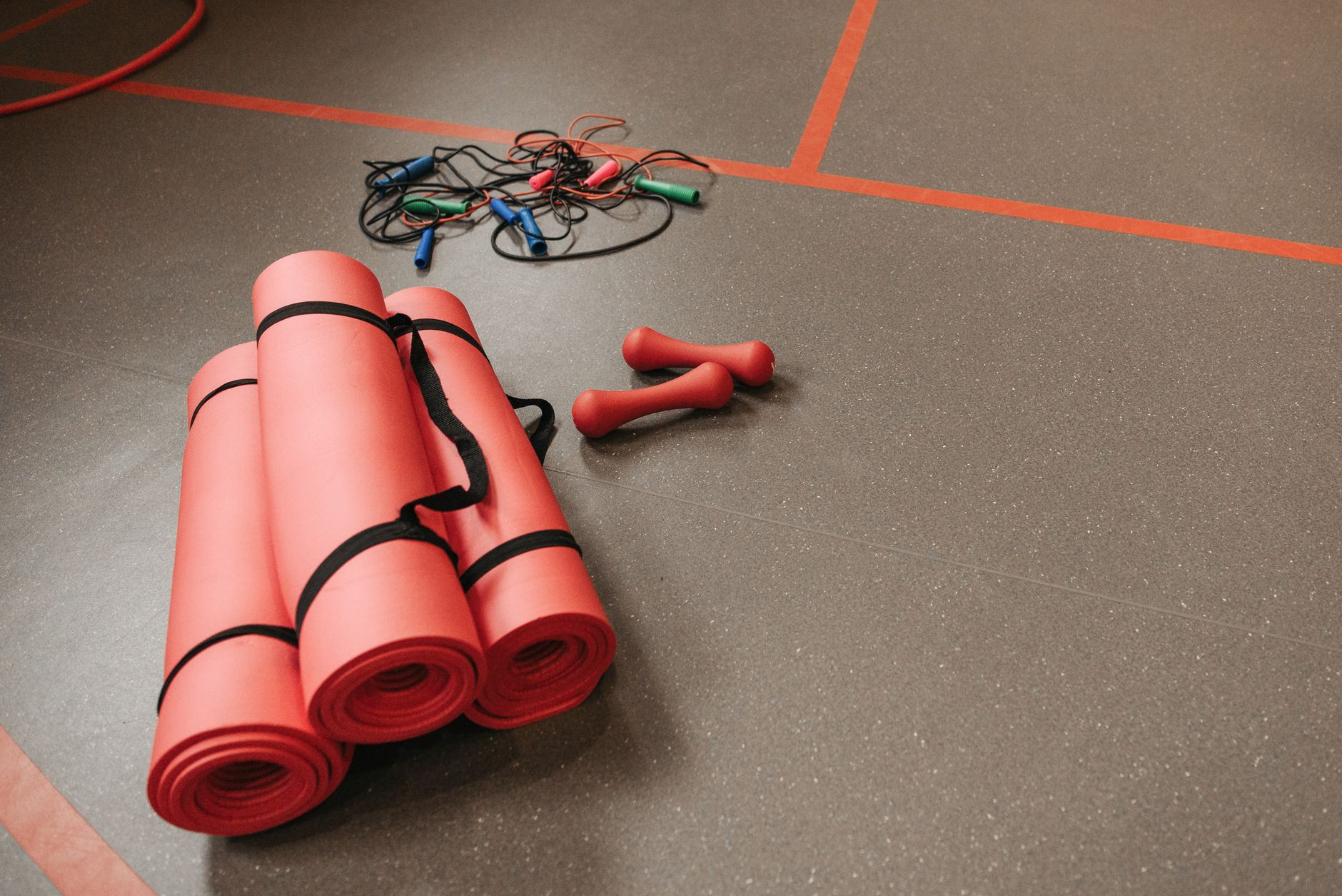
You’ve noticed the lobby floor is wet by 9am, the mat in front of your door is soaked through by lunchtime, and someone’s slipped near reception twice this month. The question isn’t whether you need a mat — you’ve already got one. The question is whether you’ve got the right mat in the right place. A scraper mat and an entrance mat do different jobs, and putting the wrong one down is the reason your floors are still a hazard despite spending money on matting.
The short answer
Scraper mats go outside, on the last few steps before the door, and their job is to rip grit, gravel and loose mud off a shoe sole through rough, aggressive texture. Entrance mats go just inside the door, and their job is to pull moisture out of the sole and hold it, using absorbent fibre. Most busy commercial doorways — hotels, restaurants, care homes, offices with any footfall — need both, in that order. One without the other only solves half the problem.
How to tell which one you’re looking at
Scraper mats are usually rubber, coir, or a stiff ribbed synthetic. They feel hard underfoot and look like they’re meant to be walked on hard. They don’t absorb much — that’s not their job. If yours is soaked through and squelching, it’s not a scraper mat, or it’s a scraper mat being asked to do an entrance mat’s work.
Entrance mats are soft-piled, nylon or polypropylene, often with a rubber backing that grips the floor. They’re the ones that go grey and matted down over a few weeks if nobody’s changing them. If you press on it and water comes up, it’s doing its job — up to a point. Past that point it’s just transferring water to the next person’s shoes.
Where the mistake usually happens
The most common error we see on site visits is a single entrance mat placed right at the threshold, with nothing outside at all. In wet weather, that one mat is trying to scrape and absorb, and it fails at both by lunchtime. The fix is almost always the same: put a scraper mat on the approach — the last two or three paces before the door — and let the entrance mat inside do the drying.
As a rule of thumb, you want enough mat length that a person takes at least four to six steps on matting before they reach hard flooring. Fewer steps than that and moisture and grit are still on the sole when it hits your floor. For a hotel with a covered porch or a restaurant with a lobby, that’s usually a scraper mat outside and a run of entrance matting through the vestibule — not one mat doing both jobs.
Do you need both, or just one?
Not every doorway needs the full setup. It depends on what’s outside your door.
If your entrance opens straight off a car park, a gravel path, or anywhere with loose grit and mud, you need a scraper mat — no way around it. If your entrance is under cover, off a clean paved area, or inside a shopping precinct with no direct weather exposure, you can often get away with entrance matting alone, because there’s nothing to scrape off in the first place.
The other variable is footfall. A 12-bedroom guesthouse with light traffic can manage on a decent entrance mat changed and cleaned on a sensible schedule. A 90-room hotel with coach parties, a busy restaurant with a car park entrance, or a care home with wheelchairs and trolleys coming through all day needs the scraper-plus-entrance combination, because a single mat wears out or saturates faster than it can be maintained.
Maintenance is the part everyone skips
A mat that’s never cleaned stops working long before it looks obviously dirty. Scraper mats need the grit shaken or vacuumed out regularly — once grit is packed into the texture, it stops gripping shoe soles and starts scratching your floor instead. Entrance mats need laundering, not just vacuuming, because ground-in moisture and soil break down the pile and the rubber backing over time, and a mat that’s saturated at 10% capacity is not saving your floors at all.
This is the same logic that applies to hotel laundry generally — a linen or textile item only works if it’s cycled through cleaning often enough to stay effective, not just replaced when it looks obviously worn out. Matting is no different. A rental and laundering contract that swaps mats on a fixed schedule solves the problem you’d otherwise be solving with a mop and a member of staff pulled off other duties every wet morning.
What this looks like for a real entrance
Take a mid-size hotel with a porch and a set of double doors opening onto a car park. A scraper mat sized to the porch width, positioned on the last steps before the doors, catches the grit and gravel. Inside, an entrance mat running through the vestibule for four to six paces catches the residual moisture before guests reach the lobby carpet. Both get collected, laundered and replaced on a rota rather than left until they’re visibly filthy. That’s the difference between a lobby floor that’s dry by mid-morning and one that’s still a hazard at closing time.
If you’re not sure which combination your entrance actually needs, or you’ve got a mat doing a job it was never built for, it’s worth getting someone to look at the doorway rather than guessing. Get a quote and we’ll tell you honestly whether you need one mat or two, and how often they need collecting to actually keep working.
Not sure your matting is right for your entrance?
We’ll take a look at your doorway, your footfall and what’s outside your door, and tell you what actually needs to change.