May 2026
Outsourcing Hotel Laundry: Cost Savings vs Running It In-House
Outsourcing laundry services in hotels is one of those decisions that looks simple on the surface — but the real numbers often surprise general managers.
When hotel owners and GMs ask about outsourcing laundry services in hotels, the first question is almost always the same: “Will it actually save us money?” The honest answer is: for most hotels, yes — often significantly. But the full picture is more nuanced than a simple cost-per-kilo comparison. This guide walks you through every cost factor on both sides so you can make a clear-eyed decision for your property.
The True Cost of Running Laundry In-House
In-house laundry looks cheaper than it is. The headline costs — detergent, electricity, water — are visible. The hidden costs are where hotels consistently underestimate what they’re spending.
Staffing
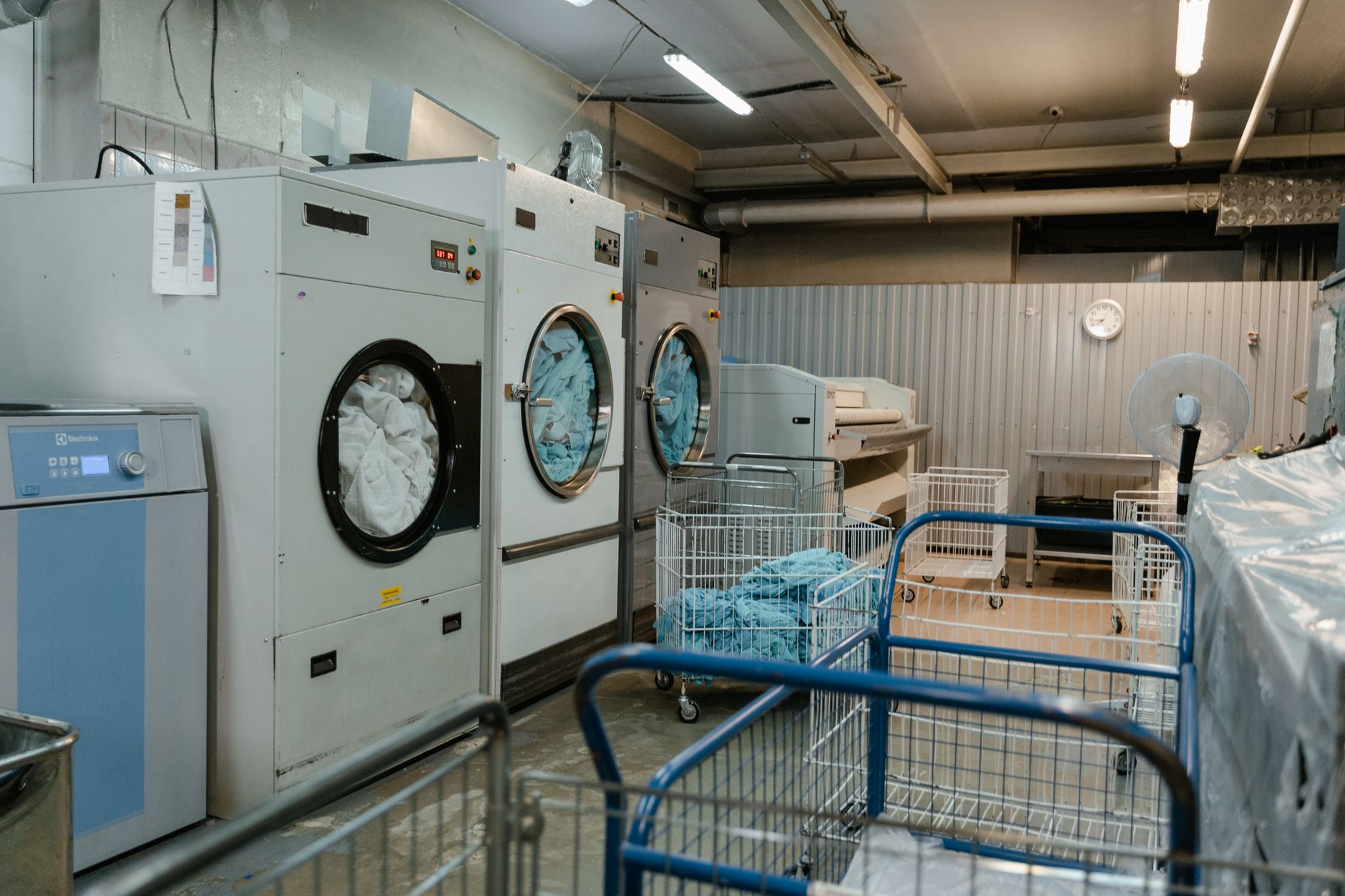
A mid-sized hotel running its own laundry typically employs 2–4 full-time laundry staff, plus cover for sickness, holidays and peak periods. Factor in employer NI contributions, pension, training and management time and the staffing cost alone can run to £60,000–£120,000 per year for a 60–100 room property. That figure rarely appears on a laundry cost line — it gets buried in the wider HR budget.
Equipment and Maintenance
Commercial washers and dryers for a 60-room hotel cost £15,000–£40,000 to purchase, with a lifespan of 8–12 years if well maintained. But maintenance contracts, emergency repairs, and replacement parts add 10–15% of equipment value annually. When a machine breaks down on a Friday afternoon before a full weekend — and it will — the disruption cost is not captured in any spreadsheet.
Utilities
Commercial laundry is energy- and water-intensive. A hotel washing 200kg of linen per day uses roughly 1,000–1,400 litres of water and significant electricity or gas per cycle. At current UK commercial utility rates, this adds up fast — and energy prices have proven volatile.
Linen Replacement and Stock
In-house laundry puts more wear and tear on your linen because machines are run at varying loads and programmes. Replacement cycles shorten. Hotels running their own laundry typically replace linen stock every 2–3 years; a well-managed hotel laundry service using correct wash programmes and commercial-grade linen can extend that to 4–5 years.
Space
A functional hotel laundry room requires 80–150 square metres of back-of-house space for machines, sorting, drying and storage. In most UK hotel properties, that space has a real opportunity cost — it could be a meeting room, extra storage, or additional staff welfare facilities.
Typical annual in-house laundry cost, 80-room hotel
Average saving when outsourcing laundry services
Linen lifespan under professional outsourced care
What Outsourcing Laundry Services in Hotels Actually Costs
A professional laundry provider charges per kilogram of processed linen, or on a flat weekly/monthly contract rate depending on volume and service level. The per-kilo model gives hotels flexibility; contract rates suit larger, stable-volume properties. Either way, the price you see is broadly all-inclusive: collection, washing, drying, finishing, folding, and return delivery.
What you’re not paying for separately: staffing, equipment, repairs, utilities, chemicals, or linen storage. Many hotels also move to a linen hire service alongside outsourced laundry — meaning the provider owns and replaces the stock, removing capital spend entirely.
The real comparison isn’t laundry cost vs laundry cost. It’s total in-house cost (staff + equipment + utilities + linen replacement + space) vs the outsourced contract price. When you run those numbers honestly, outsourcing wins for most hotels above 30 rooms.
Beyond Cost: The Operational Case for Outsourcing
Cost is the starting point, but experienced hotel GMs cite operational reliability just as highly when asked why they switched.
Consistent Quality
Commercial laundries run the same wash programmes every time, with professional finishing. Guests notice. TripAdvisor reviews that mention “crisp white sheets” or “fresh towels” are worth more than any marketing spend.
Hygiene Compliance
A reputable provider operates under EN 14065 (textile hygiene) and HACCP-based risk management. That gives you a defensible paper trail if you’re ever audited — something an in-house laundry room rarely provides.
Scalability
Occupancy fluctuates. A contract laundry scales with your volume — no idle machines on quiet weeks, no scramble to cope during peak season. Your in-house team can’t flex that way.
Staff Focus
Housekeeping teams are freed from laundry duties and can focus on room quality and guest experience. Laundry is necessary; it’s rarely where your best staff want to spend their day.
When In-House Laundry Might Still Make Sense
Outsourcing is not right for every property. There are scenarios where in-house makes more sense:
Very remote locations where collection and delivery costs would make outsourcing uneconomical. If you’re a rural boutique hotel more than 90 minutes from a commercial laundry facility, the logistics may not stack up.
Very small properties — under 15–20 rooms — where volumes are low enough that a single domestic-grade commercial washer handles demand, and laundry is managed by existing staff without dedicated headcount.
Specialist linen requirements where your linen is highly bespoke (hand-embroidered, antique, or heritage pieces) that require careful individual handling. Most commercial laundries can accommodate this, but it’s worth asking.
For the majority of UK hotels — mid-sized independents, branded properties, boutique hotels and B&Bs above 25 rooms — the arithmetic favours outsourcing once all costs are honestly counted.
How to Switch Without Disrupting Operations
The most common hesitation from hotel operators isn’t cost — it’s the fear of disruption during a changeover. In practice, a planned transition takes 4–6 weeks and can be phased so there’s no gap in linen supply. A good provider will conduct a linen audit, agree collection and delivery schedules around your check-in/check-out pattern, and offer a trial period on a subset of your linen before full onboarding.
If you’re also moving to a linen hire model — where the laundry company supplies the stock — they’ll assess your room count, occupancy rate and current inventory to size the contract correctly. You typically need 2.5–3 par levels (sets per room) to maintain supply through collection and return cycles.
The key questions to ask any provider before signing:
- What is your collection and delivery frequency?
- What are your turnaround times at peak and off-peak?
- What hygiene certifications do you hold?
- How do you handle missing or damaged items?
- What are the contract minimum terms and exit clauses?
The Bottom Line on Outsourcing Laundry Services in Hotels
Running laundry in-house gives you control — but control you’re paying a premium for. Outsourcing laundry services in hotels transfers the staffing, equipment, compliance and logistics burden to a specialist, at a lower total cost than most hotels expect when they run the full numbers. For hotels serious about margin improvement without compromising guest experience, it’s one of the highest-return operational decisions available.
CanDo Laundry Services works with independent hotels, groups and branded properties across the UK. We offer flexible contracts, reliable turnaround, and a no-obligation assessment to show you exactly what you’d save.
See What You Could Save
Get a free laundry operations assessment. We’ll review your current costs and show you a like-for-like comparison — no obligation.