July 2026
Restaurant Laundry Service: Tablecloths, Napkins and Chef Uniforms — Handled
Managing linen in a busy restaurant is relentless. A professional restaurant laundry service takes the whole job off your plate — and keeps your tables looking sharp every service.
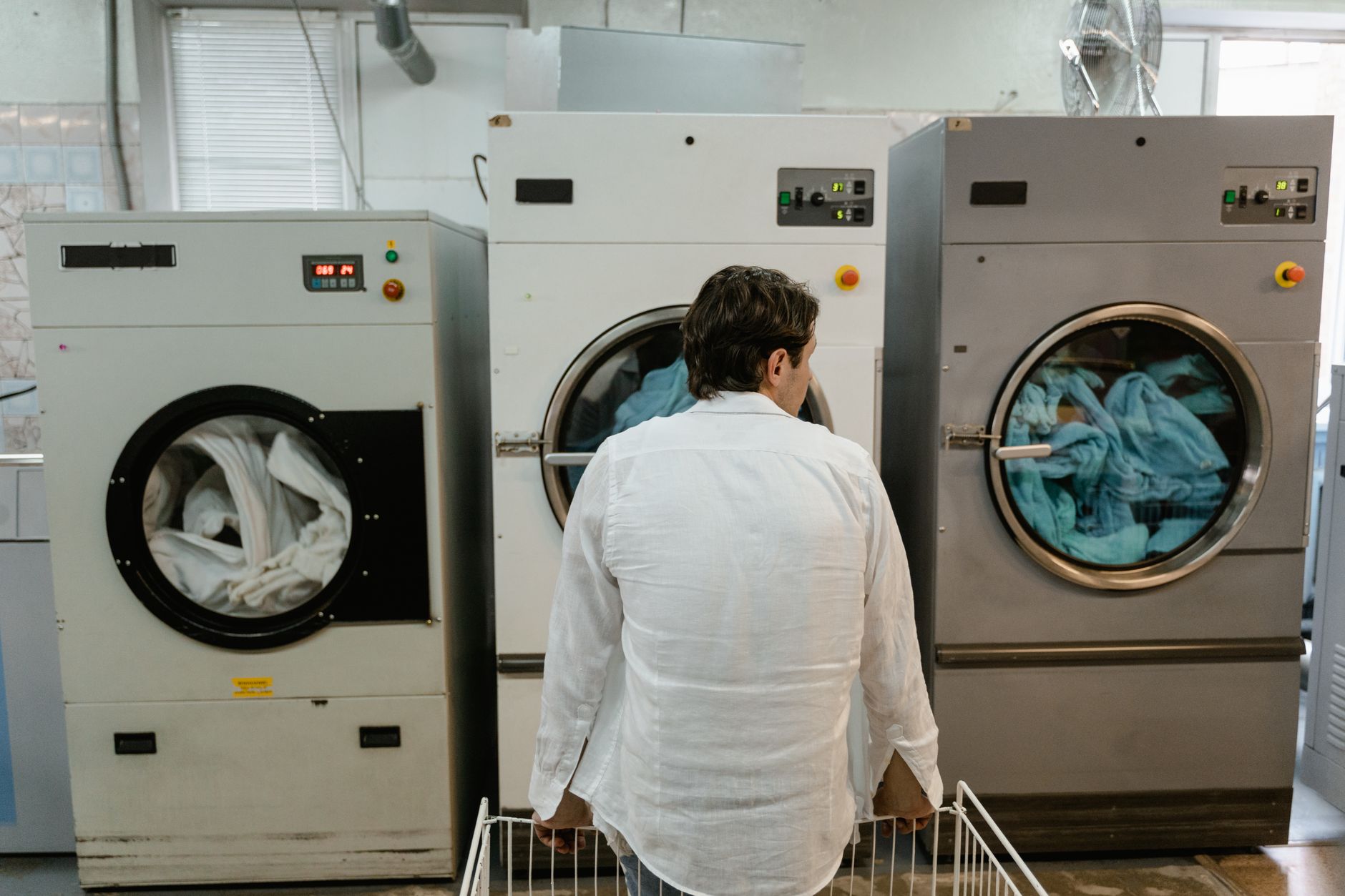
A restaurant laundry service handles every piece of textile that comes out of your front-of-house and kitchen: tablecloths, napkins, table runners, chef uniforms, aprons, oven cloths, glass cloths. It gets collected, washed to the right standard, and returned ready to use. No washing machines in your cellar. No staff time lost folding napkins at midnight.
Here is what you need to know about how it works — and whether it makes sense for your site.
What a Restaurant Laundry Service Actually Covers
The short answer: everything textile in your restaurant that needs washing. In practice, that splits into three categories.
Table linen. Tablecloths, napkins, table runners and overlays. These get the heaviest use and the most visible staining. A commercial laundry washes them at temperatures that shift wine, oil and sauce without degrading the fabric — which matters when you are paying for quality linen.
Kitchen linen. Oven cloths, glass cloths, tea towels, bar cloths. These are in direct contact with food surfaces, which means FSA food hygiene guidance applies. They need washing at high temperatures — typically 60°C or above — to remove grease and reduce bacterial load. Most in-house domestic machines are not set up to do this reliably at volume.
Staff uniforms. Chef whites, chef trousers, aprons and front-of-house clothing. Presentation matters. Stained or faded uniforms affect how your team are perceived. A commercial laundry processes these consistently, so every uniform comes back the same standard.
Under the Food Safety Act, restaurant operators are responsible for ensuring kitchen linen and surfaces do not contribute to contamination. Regular high-temperature laundering of kitchen cloths and aprons is part of good hygiene practice — and something environmental health officers check.
Restaurant Laundry Service vs Doing It In-House
Most restaurants start off doing laundry in-house. It feels like the cheaper option. Then the washing machine breaks down on a Friday evening and you are hand-rinsing tablecloths at 11 p.m.
The honest cost comparison is not just the energy bill. It is the machine purchase, repairs and replacement. The water and detergent. The staff time — even 45 minutes a day adds up fast over a year. And the linen replacement cost when fabrics wear out faster from too-hot domestic washing or overcrowded drums.
A commercial laundry service bundles all of this into a predictable weekly fee. You know what you are spending. There is no capital outlay on machines, no emergency callouts, and no staff distracted from service.
For high-volume restaurants — particularly those doing multiple covers a day or running private dining — outsourcing typically works out less expensive once all in-house costs are properly accounted for. For smaller independents, the calculation is closer, but the reliability and time saving often tips the decision.
In-House Laundry
Machine costs, repairs, water, energy, detergent and staff time all sit with you. Capacity is limited. If the machine fails during service, there is no backup.
Outsourced Laundry Service
Fixed weekly cost per item or per service. Commercial machines handle high volume. Collection and delivery built in. No capital spend on equipment.
How Linen Hire Works Alongside a Laundry Service
Some restaurants buy their own tablecloths and napkins and use a laundry service just to wash them. Others take a restaurant laundry service that includes linen hire — meaning the provider owns the linen, keeps a float of stock in circulation, and guarantees you always have enough for the week even if last night’s covers were heavy.
Linen hire is worth considering if:
- You are opening a new site and do not want the upfront linen purchase cost
- You run high covers and cannot always guarantee enough clean stock by the next service
- You want damaged or worn items replaced without having to reorder yourself
The alternative — buy your own linen, use a laundry service to wash it — works well when you have specific linen that matches your brand (custom colours, embroidered napkins, etc.) and you want to retain control of the stock.
What to Look for in a Restaurant Laundry Provider
Not all commercial laundries are the same. When you are evaluating a restaurant laundry service, these are the things that actually matter:
Turnaround time. A 48-hour turnaround is standard for most sites. If you are running a busy restaurant with two sittings a day, you want to know your linen will be back before the next service. Check whether the provider can accommodate same-week emergency washes.
Collection and delivery flexibility. Can they work around your deliveries and service times? A laundry collection that clashes with your linen supplier’s arrival or your kitchen prep window is going to cause friction.
Stain treatment. Commercial laundries that specialise in hospitality linen understand food stains — wine, oil, lipstick, sauce. Ask whether they pre-treat items and what their re-wash policy is for pieces that do not come out clean first time.
Hygiene standards. Kitchen linen needs to be washed at temperatures that meet food hygiene requirements. A reputable provider should be able to confirm wash temperatures and their quality control process. EN 14065 is the European standard for laundry hygiene (RABC system) — worth asking whether a prospective provider works to this standard.
CanDo’s restaurant laundry service covers all of the above. If you also need hotel or accommodation linen washed, our hotel laundry service runs on the same reliable schedule.
Keeping Chef Uniforms Looking Professional
Chef whites are the hardest thing to keep looking sharp. A busy kitchen shift leaves them carrying oil, sauce and food residue that does not shift in a standard 40°C domestic wash. Whiteness fades fast when fabrics are washed at the wrong temperature or overcrowded in the drum.
A commercial laundry processes chef uniforms at the temperatures they need and with the right detergent chemistry for food-industry fabrics. The difference shows within a few washes. Uniforms last longer and stay presentable for longer — which matters when your kitchen brigade is visible to guests through open kitchens or pass-throughs.
The same applies to front-of-house uniforms. Aprons, shirts and any branded clothing worn by floor staff need consistent laundering to maintain a standard across the whole team. Outsourcing this to a commercial laundry removes the variation that comes from staff taking uniforms home to wash themselves.
Frequently Asked Questions
What does a restaurant laundry service cover?
A restaurant laundry service typically covers all table linen (tablecloths, napkins, table runners), kitchen linen (oven cloths, glass cloths, tea towels), and staff uniforms including chef whites, aprons and front-of-house clothing.
How often should restaurants launder their linen?
Table linen should be laundered after every use. Kitchen linen — cloths and aprons in contact with food — should be washed daily at a minimum to meet FSA food hygiene guidance. A commercial laundry service on a regular collection schedule makes this straightforward.
Is outsourcing restaurant laundry cheaper than doing it in-house?
For most restaurants, outsourcing is more cost-effective once you account for machine costs, water, energy, detergent, staff time and linen replacement. A commercial laundry service wraps all of this into a predictable weekly fee.
Take Laundry Off Your Plate
CanDo handles tablecloths, napkins, chef uniforms and kitchen linen for restaurants across the UK. Reliable collection, fast turnaround, hygiene-certified washing.