
June 2026
The Complete Guide to Restaurant Tablecloth Care
Proper tablecloth cleaning keeps your dining room looking sharp, protects your linen investment, and stops minor stains from becoming permanent write-offs.
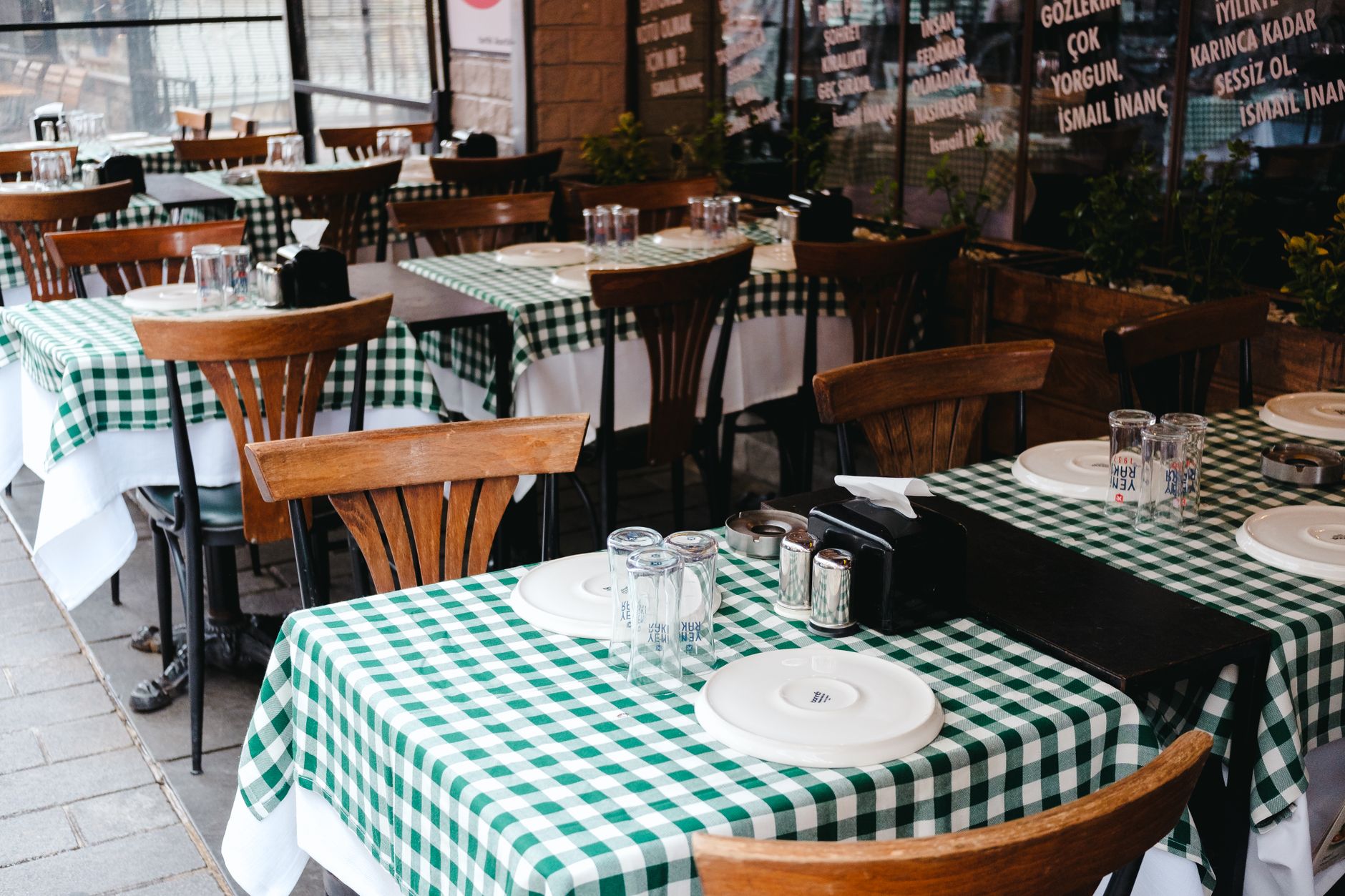
Restaurant tablecloth care is one of those operational details that guests notice without realising it. A perfectly pressed, spot-free cloth sets the tone for the entire dining experience. A yellowed hem or a stubborn red wine stain does the opposite. For restaurant managers and owners, getting tablecloth laundering right means understanding the right washing temperatures, stain-removal techniques, ironing standards — and deciding whether to handle it in-house or hand it off to a commercial laundry.
This guide covers everything you need to know, from the basics of laundering tablecloths to the point at which outsourcing your restaurant laundry service starts to make more financial sense than doing it yourself.
Why Tablecloth Care Matters More Than You Think
Table linen takes a beating. Over the course of a busy service, tablecloths are exposed to wine, olive oil, sauces, candle wax, lipstick, and everything in between. Multiply that across 50 covers, several sittings, and 300 days a year, and you are looking at a serious laundry workload — and significant replacement cost if linen is not properly maintained.
High-quality cotton or linen tablecloths are a genuine investment. A commercial-grade damask or percale cloth can cost £15–£40 per piece. Treating them correctly extends their lifespan significantly. Rough handling, the wrong detergent, or too-high a wash temperature will cause fibres to break down, colours to fade, and hems to fray — sometimes after just a handful of washes.
Quick rule: The most common cause of premature tablecloth damage in restaurants is washing at too high a temperature with the wrong detergent. Most cotton and linen cloths should be washed at 60°C — not 90°C — unless they are classified as healthcare linen requiring thermal disinfection.
Tablecloth Cleaning Temperatures: What to Use and When
Getting the wash temperature right is the single most important variable in tablecloth laundering. Too low and you will not shift grease or kill bacteria. Too high and you will damage the fabric and cause colours to bleed or whites to yellow.
White cotton tablecloths
Wash at 60°C with a commercial enzyme detergent. Use an optical brightener for whites. Avoid 90°C — it degrades fibres and causes yellowing over time.
Coloured or patterned linen
Wash at 40–60°C depending on fabric weight and the care label. Always test a new batch at the lower end first to check for colour fastness.
Polyester or poly-cotton blends
Wash at 40°C. Polyester is heat-sensitive and can pill or distort at higher temperatures. It also dries faster, which is useful for high-turnover services.
Heavily soiled cloths
Pre-treat stains before washing. A longer wash cycle at 60°C with a pre-soak enzyme detergent is more effective than a short blast at 90°C.
Tip: Always separate your tablecloths by colour before washing. Even lightly coloured napkins can bleed onto white cloths at 60°C. Keep whites, creams, and darks in separate loads.
How to Remove the Most Common Restaurant Stains
Speed is your biggest advantage when it comes to stain removal. The sooner you act, the less chance a stain has to set into the fibres. Here is how to handle the most frequent offenders in a restaurant setting.
Red wine
Blot (do not rub) immediately with a clean cloth to absorb as much as possible. Apply a small amount of cold water to dilute the stain. Pre-treat with an enzyme-based stain remover or a paste of bicarbonate of soda and water before washing at 60°C. Do not use hot water on fresh wine stains — it sets them.
Cooking oil and grease
Scrape off any solids and blot with a dry cloth. Apply a degreasing pre-treatment spray or washing-up liquid directly to the stain and leave for 10–15 minutes before washing. Enzyme detergents are particularly effective on lipid-based stains. Avoid letting oily cloths dry before treating — grease becomes much harder to shift once baked in.
Candle wax
Let the wax harden fully. Once hard, gently scrape off as much as possible with a blunt knife. Place the cloth between two sheets of brown paper and press with a warm iron — the paper absorbs the remaining wax. Then treat any residual oil stain and wash normally.
Lipstick and makeup
Apply a small amount of white spirit or surgical spirit to a cloth and dab at the stain from the outside in. Follow with an enzyme pre-treatment and wash at 60°C. Lipstick contains wax and pigment, so it needs both degreasing and colour-lifting treatment.
Tomato-based sauces
Rinse with cold water first, then pre-treat with an enzyme detergent or a white vinegar solution. Wash at 60°C. Avoid hot water on the initial rinse — tomato pigment can set quickly under heat.
Tip for busy services: Keep a spray bottle of cold water and a small bottle of enzyme pre-treatment spray at your linen station. Treating stains immediately — even just with cold water — dramatically improves the chance of full removal later.
Washing, Drying, and Pressing Standards
Laundering tablecloths goes beyond the wash cycle. How you dry and press them determines the final presentation — and how long the fabric holds up.
Washing: Use a commercial washing machine if possible. Domestic machines with small drums can crease and stress fabric. Use the correct detergent dose — overdosing causes residue build-up and can leave cloths feeling stiff or sticky.
Drying: Tumble dry on a medium heat setting, not high. Remove tablecloths while still slightly damp for pressing — bone-dry linen is much harder to iron smooth. Air-drying works well for poly-cotton blends and is gentler on the fabric.
Pressing: A steam iron or flatwork ironer gives the crispest finish. Press cotton and linen tablecloths on the reverse side with a hot steam iron. For large volumes, a commercial calender (flatwork ironer) is the industry standard — it presses, dries, and folds in one pass. This is one of the main reasons commercial laundries can produce consistently presentation-ready linen at scale.
In-House Laundering vs a Restaurant Laundry Service
Many restaurants wash their tablecloths in-house — in a back-of-house machine, or via a local launderette. It works at low volumes. But as covers grow, the limitations become apparent fast.
More linen needed for in-house laundering to cover wash cycles
Of restaurant linen damage is caused by incorrect washing temperatures
Typical turnaround from a commercial laundry — ready for the next service
In-house laundering also means tying up staff time, managing detergent stock, maintaining machines, and dealing with peaks — the Monday after a busy weekend wedding season, for instance. A dedicated restaurant laundry service removes all of that. You send soiled linen, you receive clean, pressed, presentation-ready tablecloths on a regular schedule.
Some restaurants also opt for linen hire rather than ownership — where the laundry supplier provides the tablecloths and napkins, maintains them, and replaces damaged pieces. This removes the capital cost of buying stock and eliminates linen management entirely. If your current stock is ageing or you are expanding to a second site, it is worth exploring a linen hire service as an alternative to reinvesting in new stock.
How to Extend the Life of Your Restaurant Tablecloths
Good laundry practice extends the lifespan of your linen — reducing replacement costs and keeping your dining room looking consistent. A few habits make a significant difference:
Rotate your stock properly. Do not keep pulling from the top of the pile — rotate stock so all cloths go through washing cycles evenly. Uneven rotation means some tablecloths wear out far faster than others.
Never wash at too high a temperature. As noted above, 60°C is the sweet spot for most restaurant linen. Higher temperatures cause fibre breakdown, yellowing, and shrinkage over time.
Deal with stains before they dry. Pre-treating stains in the hour after service dramatically reduces how hard those cloths have to work in the wash — which means a shorter, cooler cycle that is gentler on fibres.
Check for damage on return from the wash. A quick visual check when folding catches fraying hems, small tears, and thinning fabric before they become bigger problems. Remove damaged cloths from service — a worn tablecloth in the dining room does more harm than good.
Store linen properly. Keep clean tablecloths in a dry, well-ventilated linen room away from damp and direct sunlight. Damp storage encourages mildew; prolonged sunlight exposure fades whites and colours alike.
Let CanDo Handle Your Restaurant Linen
From tablecloths to napkins and chef uniforms, CanDo provides a complete restaurant laundry and linen hire service. Regular collections, fast turnaround, and consistently presentation-ready results.