
June 2026
Why More Restaurants Are Outsourcing Their Laundry in 2026
Staff costs are up, energy bills haven’t come down, and hygiene standards keep tightening. Here’s why the restaurant laundry service market is booming — and what’s driving operators to make the switch.
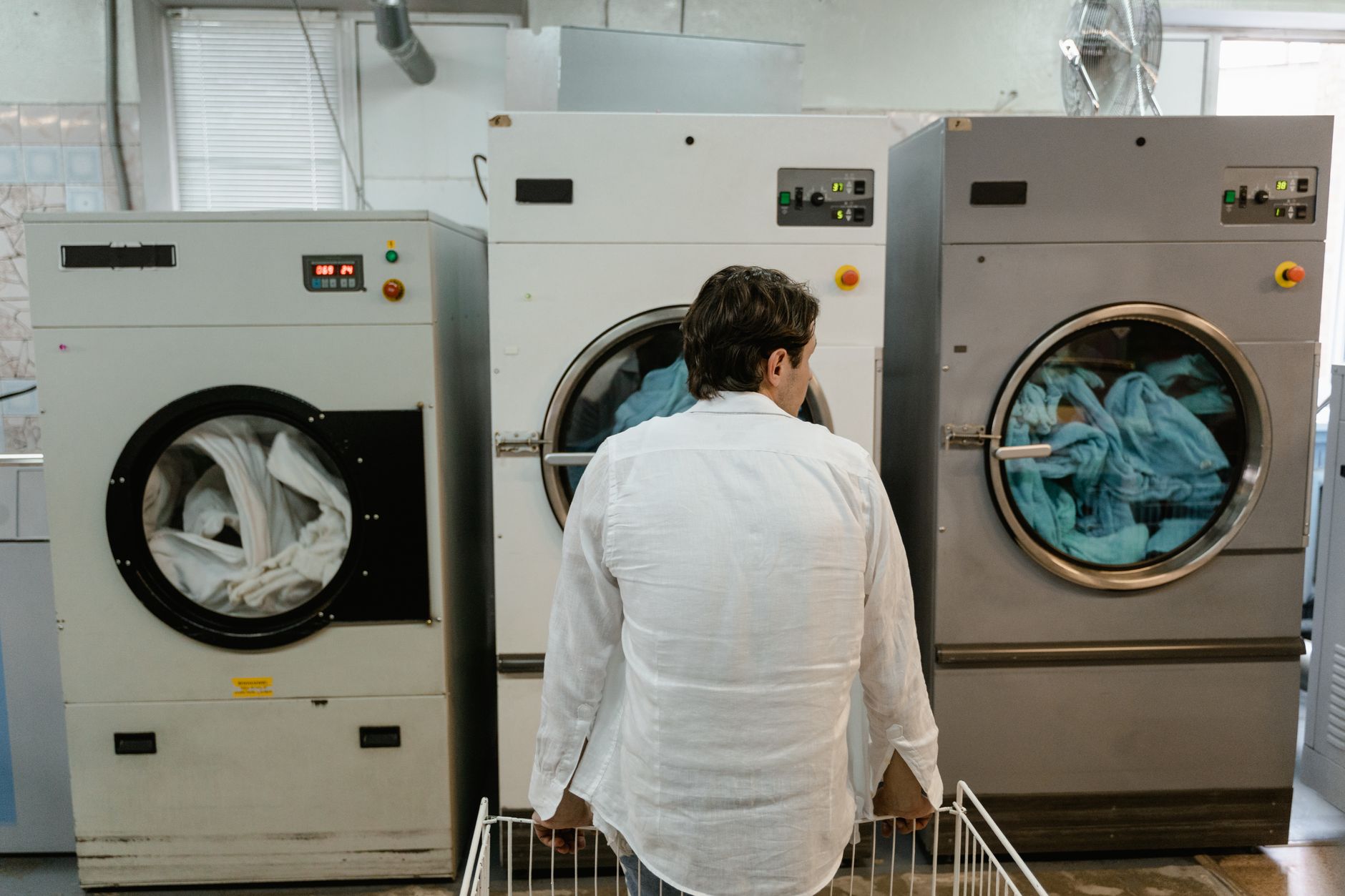
Restaurant laundry service outsourcing is no longer just for large hotel groups and chains. In 2026, independent restaurants, pub groups, and casual dining operators across the UK are handing their tablecloths, napkins, chef uniforms, and kitchen linen to commercial laundry providers — and finding it’s one of the smartest cost decisions they’ve made.
The shift has been building for several years, but three forces have converged in 2026 to make the case undeniable: rising energy costs, chronic front-of-house and kitchen staff shortages, and stricter food hygiene compliance requirements. This article breaks down each driver — and explains what to look for when choosing a partner.
of restaurant operators cite laundry as a top 5 hidden operational cost
faster turnaround from commercial laundry vs on-site machines
capital expenditure when you outsource — no machines to buy or maintain
1. Energy Costs Have Made In-House Laundry Expensive
Commercial washing machines are heavy users of electricity, gas, and water. Running a washer-dryer cycle for a busy restaurant’s daily linen load — tablecloths, napkins, chef whites, kitchen cloths — can add hundreds of pounds to a monthly energy bill. And that’s before you factor in the cost of the machine itself, annual servicing, and repairs when things go wrong.
A professional restaurant laundry service uses industrial-scale equipment designed to process large volumes efficiently. The cost per kilogram is significantly lower than anything achievable with a single on-site machine. For most restaurants, switching to outsourced laundry cuts the total cost of clean linen — once energy, machine costs, and staff time are all accounted for.
Tip: Before assuming in-house is cheaper, calculate your true cost: machine depreciation + energy per cycle + staff time loading, folding, and storing. Most operators are surprised how quickly the numbers favour outsourcing.
2. Restaurant Laundry Service Frees Up Staff Time
Hospitality staffing has been under pressure since 2021, and 2026 has brought no relief. Kitchen porter time is expensive and scarce. Asking your team to sort, wash, dry, fold, and store table linen adds hours to their shift — hours that could go towards prep, service, or simply finishing on time.
Outsourcing your restaurant laundry service removes that task entirely. Clean, folded linen arrives on schedule. Dirty linen goes out in labelled bags. Your staff don’t need to think about it. For restaurant managers juggling service pressure and rotas, that’s not a small thing.
It also removes the problem of linen going missing or being mishandled. Commercial laundry providers track everything through collection and delivery manifests — so you always know where your stock is and can plan par levels accordingly.
3. Hygiene Standards Are Tightening
Food Standards Agency guidance and Environmental Health Officer inspections increasingly scrutinise linen hygiene alongside food handling practices. Tablecloths and napkins that come into direct contact with food and customers need to be laundered at the correct temperature with the right detergent chemistry to meet hygiene standards.
On-site machines, especially older models, often can’t reliably hit the wash temperatures required for effective disinfection. A commercial laundry provider operates to consistent, documented hygiene standards — and can provide evidence of compliance if you’re ever inspected or audited.
For restaurants serving corporate clients or working in premises with EHO oversight, this documentation is increasingly valuable. It moves linen hygiene from a risk to a tick in the box.
What you outsource
Tablecloths, napkins, chef whites, kitchen cloths, tea towels, aprons, front-of-house uniforms — the full weekly linen load.
What you get back
Professionally laundered, folded linen delivered on a fixed schedule. No sorting, no chasing, no machine breakdowns.
What you save
Energy costs, staff time, machine maintenance, emergency replacements. Most operators see a net saving within weeks.
What you gain
Consistent presentation, hygiene documentation, and the ability to scale up or down without buying more stock.
4. Linen Hire Options Remove Capital Cost Entirely
One barrier that used to hold restaurants back was the upfront cost of building a sufficient linen par stock — enough tablecloths and napkins to cover service while a set is at the laundry. With a linen hire service, that problem goes away.
Rather than owning your linen, you rent it. The provider supplies the stock, launders it, replaces damaged items, and manages the par level for you. There’s no capital outlay, no write-off when napkins go missing, and no difficult conversation when tablecloths start to look tired.
For new restaurant openings or operators adding covers, linen hire is particularly attractive — you don’t need to buy a full linen kit before you know what your weekly covers will look like. You start with a base level and flex from there.
5. The Sustainability Angle Is Increasingly Important
Sustainability is now a genuine procurement criterion for corporate event clients, hotel partners, and franchise groups. Commercial laundry providers typically use water recycling systems, high-efficiency machines, and concentrated detergents that reduce chemical volume per wash. The carbon footprint per kilogram of clean linen is measurably lower than on-site washing at restaurant scale.
If your restaurant is working towards any kind of sustainability certification or reporting — Green Tourism, B Corp, or simply an ESG section in a tender document — being able to point to an outsourced laundry arrangement with a provider who can supply environmental metrics is a practical advantage.
What to Look for in a Restaurant Laundry Service Partner
Not all laundry providers are set up to serve restaurants well. Here’s what to check before you sign a contract:
Flexible collection schedules. Restaurant linen volumes swing with bookings. Your provider should be able to accommodate irregular loads without penalty charges.
Turnaround time. Standard turnaround for most commercial laundry services is 24–48 hours. Anything longer makes par stock planning difficult.
Itemised manifests. Every collection and delivery should be documented so you know exactly what’s been sent and received. This protects you if stock goes missing.
Clear pricing. Look for a per-kilogram or per-item rate rather than vague monthly minimums. You should be able to model your monthly cost accurately.
Proven track record in hospitality. Ask for references from other restaurant or catering clients. The laundry requirements of a restaurant are different from a care home or a factory floor — you want a provider who understands your service environment.
Bottom line: In 2026, outsourcing your restaurant laundry service isn’t a luxury — it’s a straightforward operational decision. The costs stack up in favour of outsourcing for the vast majority of UK restaurants once energy, staff time, and compliance risk are properly accounted for.
Ready to take laundry off your plate?
CanDo works with restaurants across the UK to handle tablecloths, napkins, chef whites, and kitchen linen — collected, laundered, and returned on schedule.