
August 2026
How to Wash Football Shirts: Temperature, Detergent & Drying Guide
Get the wash right every time — and stop ruining kits that cost a fortune to replace.
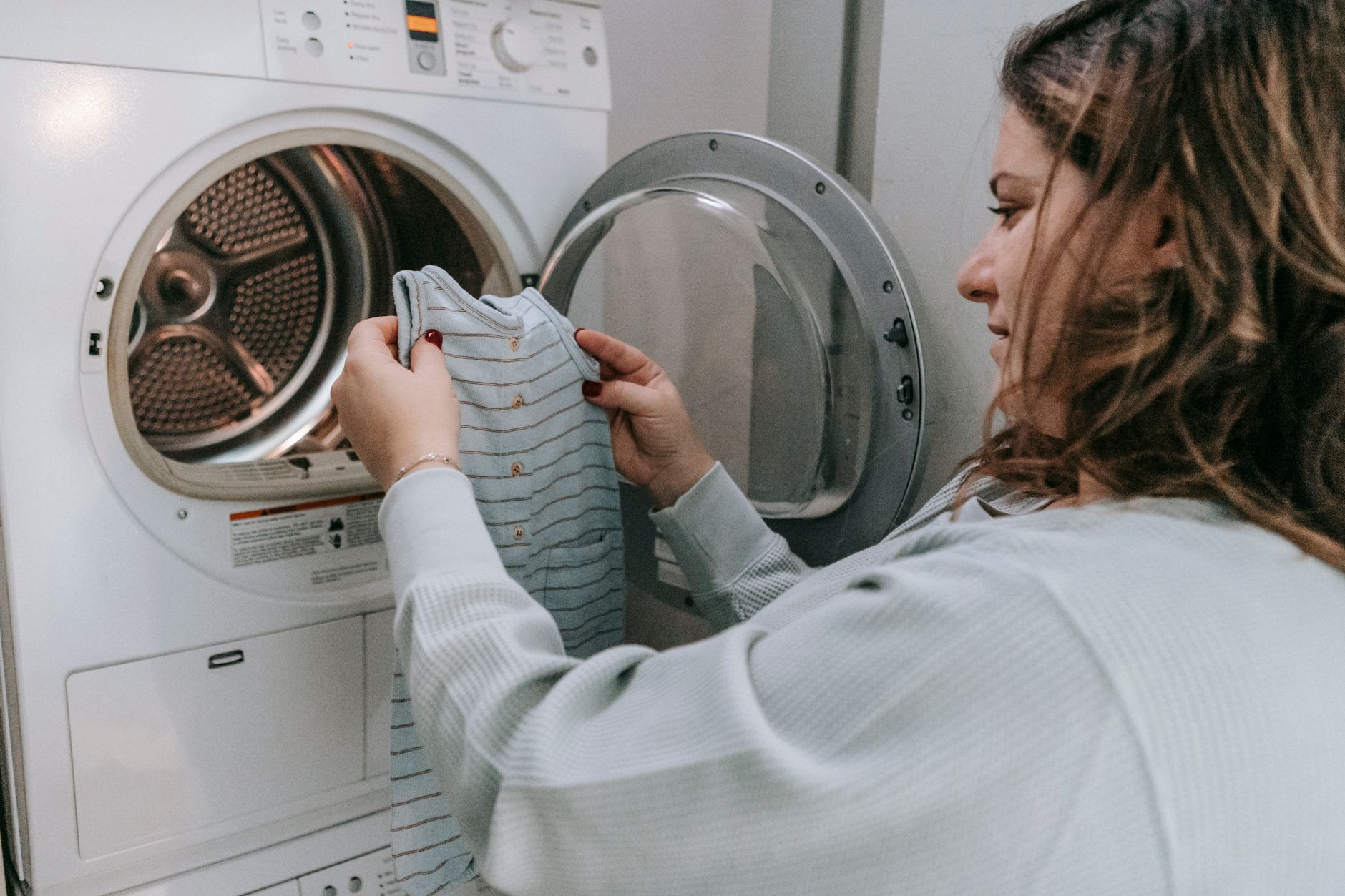
Knowing how to wash football shirts properly makes a real difference. Get it wrong and you fade the badge, shrink the fabric, or peel the player name before the season is half done. This guide covers the right temperature, which detergent to use, and how to dry shirts so they come out looking sharp — whether you’re washing one shirt at home or a full squad kit every week.
Why Football Shirts Need Special Care
Modern football shirts are not ordinary cotton T-shirts. Most are made from lightweight polyester or a polyester-elastane blend. These synthetic fabrics wick sweat away during a match, but they react badly to high heat. They also tend to trap odours more than natural fibres, which tempts people to wash hotter — the opposite of what you should do.
Printed numbers, names and badges add another layer of risk. Heat and harsh detergents break down the adhesive on heat-pressed prints. Even a few washes at the wrong temperature can start the peeling process. Embroidered badges hold up better, but rough wash cycles can still cause fraying over time.
Quick rule: If the care label says 30°C, wash at 30°C. Most modern football shirts are designed for a cool, gentle cycle — not a hot wash.
What Temperature Should You Wash Football Shirts At?
The safe default for most football shirts is 30°C on a gentle or delicates cycle. This is cool enough to protect synthetic fibres and printed graphics. If a shirt has been worn in a heavy match and smells strong, you might push to 40°C — but no higher unless the care label says otherwise.
Avoid anything above 40°C. Heat is the single biggest cause of colour fade and print damage. It can also cause polyester to pill, leaving the fabric looking worn and bobbled after just a handful of washes.
For club kits washed repeatedly across a season, a consistent 30°C cycle is the right call. It protects the shirt and still removes sweat, grass stains and mud effectively when combined with the right detergent.
Which Detergent Works Best?
Use a liquid detergent designed for colours or sportswear. Liquid detergents dissolve fully at low temperatures — powder can leave residue on synthetic fabrics if the wash is too cool. Colour-care formulas include ingredients that reduce dye transfer and fading.
Avoid biological detergents on delicate prints if you can. Biological enzymes are excellent at breaking down protein stains like grass and blood, which is useful, but they can also attack the dyes in bright synthetic fabrics over many washes. A non-biological colour detergent strikes the better balance for regular kit washing.
Never use fabric softener on performance sportswear. Softener coats the fibres and blocks the moisture-wicking properties the fabric was designed to provide. It also builds up wash after wash and can leave shirts feeling slimy rather than fresh.
Do This
Wash inside out at 30°C. Use liquid colour detergent. Air dry flat or on a hanger away from direct heat.
Avoid This
Hot washes above 40°C. Fabric softener. Tumble drying on a high heat setting. Wringing or twisting the shirt.
Dealing With Grass Stains and Mud Before You Wash
Pre-treating stains makes a big difference. Let mud dry completely before you touch it — scraping wet mud spreads it deeper into the fabric. Once dry, brush off the loose dirt, then apply a small amount of liquid detergent directly to the stain. Leave it for ten to fifteen minutes, then wash as normal.
For grass stains, the same approach works well. Apply detergent directly, work it gently into the fabric with your fingers, and leave it to soak briefly before the main wash. Avoid scrubbing hard — that distorts the weave on lightweight polyester.
Blood should be treated with cold water, not hot. Hot water sets protein stains. Rinse the area in cold water first, then apply detergent and wash on a cool cycle.
How to Dry Football Shirts Without Damaging Them
Air drying is always the safest option. Hang the shirt on a hanger or lay it flat on a drying rack, away from direct sunlight or a radiator. Direct heat — whether from the sun or a radiator — causes the same damage as a hot wash. Colours fade and prints crack.
If you must use a tumble dryer, use the lowest heat setting and remove the shirt while it is still slightly damp. Letting it finish drying in the air avoids heat damage to badges and prints. Never tumble dry on a high setting — polyester can warp and distort permanently.
Do not iron directly over printed names or numbers. If you need to press the shirt, turn it inside out and use a cool iron — or skip the iron entirely. Football shirts rarely need pressing if they are dried correctly.
Washing a Full Squad Kit — When Volume Becomes a Problem
Club kit managers and sports facility staff face a different challenge. Washing twenty or thirty shirts after a weekend of fixtures takes time, equipment and the right detergents. Getting every shirt through at the correct temperature, with the right cycle, adds up to real effort every single week.
Many clubs and leisure facilities turn to commercial laundry services for exactly this reason. A commercial wash guarantees consistent temperatures, correct detergent doses and gentle cycles — every time, without the guesswork. Our workwear laundry service handles high-volume garment washing for businesses and organisations across South Wales and beyond, with the same care applied to every item in the bag.
Hotels with leisure facilities and sports clubs attached also benefit from bundling kit laundry with their wider linen needs. Our hotel laundry service already handles towels, bedding and staff uniforms — adding sports kit to the collection is straightforward.
A Simple Pre-Wash Checklist
Before every wash, run through these steps. Turn the shirt inside out to protect the print. Check pockets and remove any gum shields or shin pad straps. Pre-treat any visible stains. Close zips and velcro fastenings so they do not snag other items. Set the machine to 30°C on a gentle cycle. Use liquid colour detergent — no fabric softener.
Follow those steps consistently and your shirts will last far longer than if you chuck them in on a hot wash with whatever powder is nearest.
Whether you’re looking after one shirt or an entire squad’s kit, consistency is everything. If the volume of washing is becoming a burden, get a quote from CanDo and find out how a commercial laundry service can take it off your hands.
Need Help With High-Volume Kit Washing?
CanDo handles garment and linen washing for businesses, clubs and facilities across South Wales and the UK. Consistent results, reliable collections, no hassle.