September 2026
Gym and Spa Towel Washing: How Many Times Can You Reuse Before They Fail?
The number that matters isn’t age, it’s wash count — and most operators lose track of it.
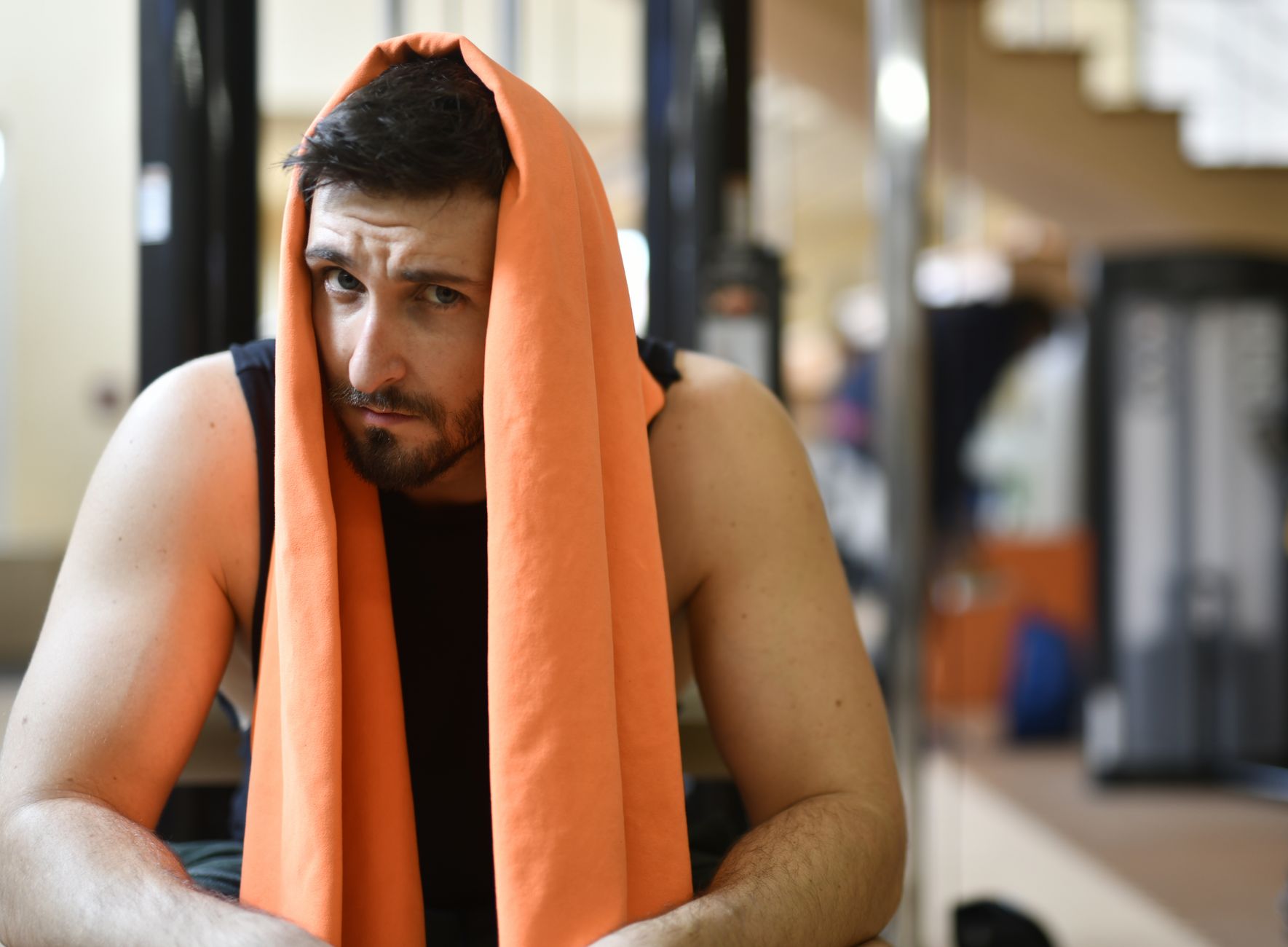
You’ve got a stack of gym towels that look fine folded on the shelf, but three of them came back from the sauna smelling sour last week and a member complained about a “greasy” one on the rowing machine. This is the moment every gym and spa manager hits eventually: is it the wash, or is it just time to bin the towel? Here’s how to work out the actual answer, and how to stop guessing.
The real number: 75–100 washes for a mid-weight gym towel
There’s no single industry figure everyone agrees on, because it depends on the towel’s weight, the fibre blend and how it’s washed. But as a working estimate for a typical 400–500 GSM cotton gym towel run through a commercial laundry cycle, most operators see performance start to drop somewhere between 75 and 100 washes. Spa towels, which are heavier and handled more gently, can run higher. Cheap, thin gym towels bought to save money upfront often fail closer to 40–50 washes, which is where the false economy shows up.
The number isn’t really about age on the shelf. A towel that’s been sitting folded for a year has had zero washes and is fine. A towel used and washed daily for eight weeks has had 50-plus washes and might already be on its way out. Track washes, not weeks.
What “failure” actually looks like
Failure isn’t the towel falling apart. It’s the towel stopping doing its job before it looks obviously worn out. Watch for:
Reduced absorbency. The towel feels dry to the touch but doesn’t actually soak anything up. This happens when fibres flatten and the loop structure that holds water starts to collapse. It’s the single biggest complaint driver in gyms because members notice immediately.
Greying or dinginess. Not dirt — mineral and detergent build-up sitting inside the fibre, invisible until it’s under gym lighting. A towel can come out of the wash “clean” by smell and touch and still look grey because the build-up is structural, not surface.
Persistent odour after washing. If a towel smells sour straight out of a proper hot wash, that’s usually bacteria trapped in fibre that’s too worn or too built-up to rinse clean. This is the sign to pull it, not rewash it hoping the next cycle fixes it.
Thinning at the fold lines and edges. Mechanical wear from tumble drying and handling concentrates at these points. Once you see thinning here, the towel is a few washes from a hole.
Why the wash itself shortens or extends the lifespan more than the towel does
The quality of the wash programme matters more than most managers assume. Domestic-style washing — lower temperatures, standard detergent, no water conditioning — leaves mineral and detergent residue in the fibre with every cycle. That residue is what causes premature greying and the loss of absorbency long before the fibre itself has actually worn out.
A commercial wash process built for towelling uses controlled water hardness treatment, the right detergent dose for the fibre and load, and a finishing step that actually opens the loop pile back up rather than flattening it in a high-heat domestic dryer. Get this right and a mid-weight towel can comfortably do 100-plus washes. Get it wrong and you can burn through the same towel in half that, while still paying full commercial laundry rates or running the same energy and water cost in-house.
This is worth thinking about even if you’re not ready to change provider — it’s one of the reasons gyms and spa operators increasingly look at professional laundering rather than in-house machines, in the same way that hotel laundry operations moved away from OPL years ago once the maths on water, energy and staff time stopped adding up.
Working out your actual cost per use
Ignore the sticker price on a box of towels and look at cost per use instead. Take the price of the towel, divide it by the realistic number of washes it’ll survive before it fails on absorbency or appearance, and you get a cost-per-use figure you can actually compare across suppliers.
A £6 towel that lasts 100 washes costs 6p a use. A £4 towel that fails at 45 washes costs almost 9p a use — and it’s failing on absorbency for the last 15–20 of those washes anyway, so members are already getting a worse product before it’s even pulled from stock. Buying cheap towelling for a gym or spa is very often the more expensive choice once you run this properly.
A simple rotation system that catches failure before members do
Most gyms don’t track wash counts at all, which means towels get pulled reactively — after a complaint, not before one. A basic fix:
Colour-code or batch-tag new towel stock by delivery date so you know roughly which batch is oldest. Do a monthly spot-check on a sample from each batch: hold one up to the light for thinning, do a quick absorbency test with a few drops of water, and smell it straight out of the bag. Pull any batch that fails two of the three checks, rather than waiting for individual towels to fail one by one.
If you run a spa alongside treatment rooms, it’s worth applying the same discipline to robes and treatment towels, since those get heavier oil and product contact and tend to show build-up faster than gym-floor towelling.
Get your towel stock and wash cycle properly assessed
If towels are failing faster than they should, the wash process is usually the reason, not the fabric. Talk to CanDo about what a professional cycle actually does differently, and get a quote to see what it costs to stop replacing towels early.