
October 2026
How Many Towels Does a Gym Changing Room Actually Need Per Day?
The formula gym managers skip, and why Monday morning is when it falls apart.
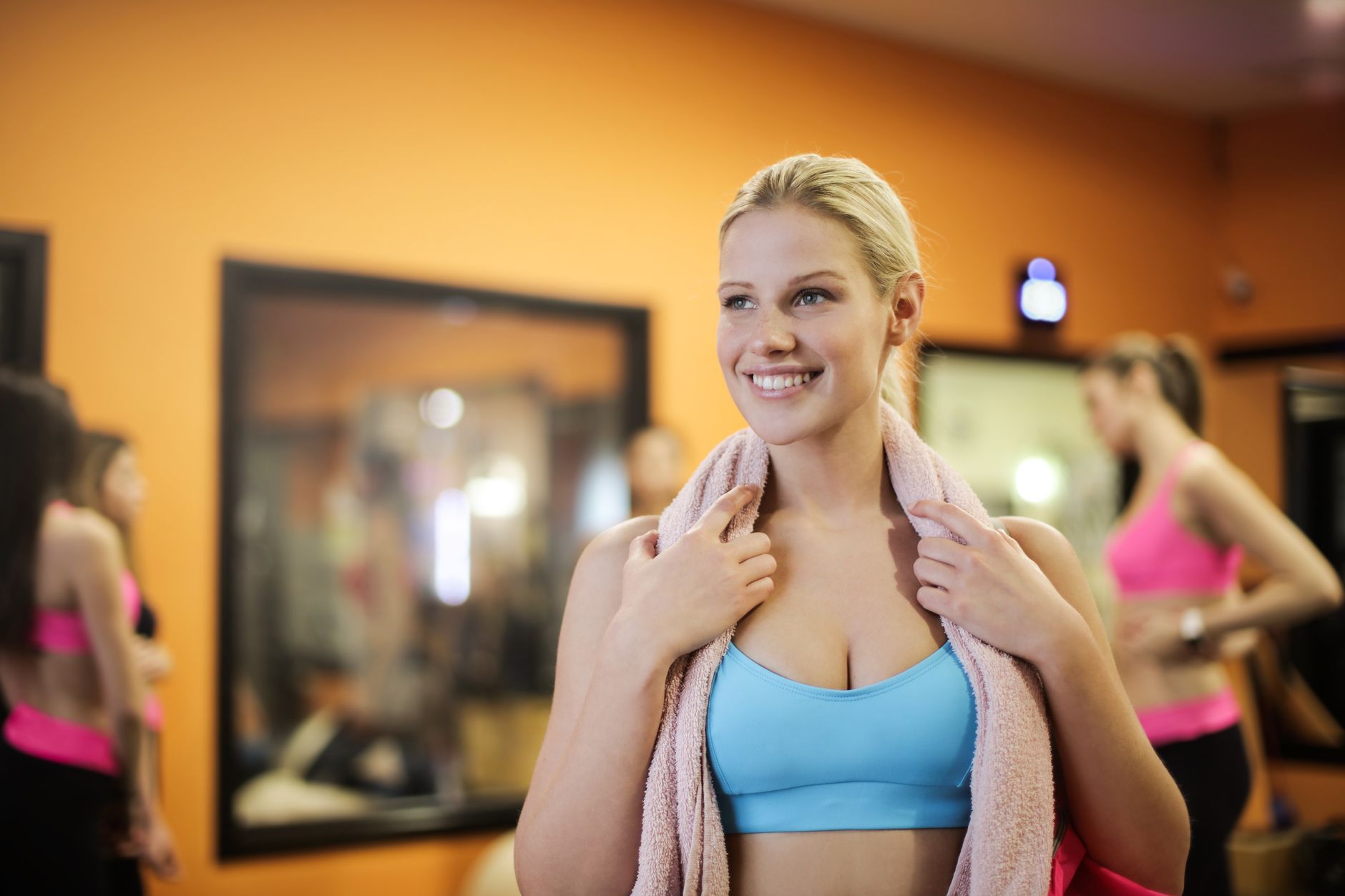
You run out of towels at 6pm on a Monday, again, and the evening shift spends an hour apologising to members instead of cleaning equipment. If you’re searching for gym changing room towel par levels, you already know the real question isn’t “how many towels do we own” — it’s “how many clean towels are actually available at the point someone needs one”. Here’s how to work that number out properly, instead of guessing and topping up every few months when complaints pile up.
The basic formula
Par stock for towels comes down to three numbers multiplied together: average daily towel usage, the number of days in your laundry cycle, and a safety margin.
Start with usage. Count towels issued on a typical weekday and a typical weekend day for two weeks — most access control systems log this if you issue towels at the desk, or do a manual tally if you don’t. Take the average of your busiest three days, not the overall average. Gyms that size to the average, not the peak, are the ones running short on Mondays and Saturday mornings.
Multiply that peak daily figure by your full laundry cycle in days — collection to clean return, not just wash time. Then add 20–30% as a buffer for no-shows, damaged stock, and the odd member who takes two towels. That total is your par stock.
Worked example: a 1,500-member gym
Take a mid-sized gym issuing one towel per visit, with 220 peak-day visits. On a three-day laundry cycle — collected Monday, returned Thursday — you need enough towels to cover Monday, Tuesday and Wednesday’s usage before the clean batch comes back.
That’s 220 towels per day × 3 days = 660, plus a 25% buffer, which comes to roughly 825 towels in circulation. Cut the laundry cycle to a next-day turnaround and the same gym only needs around 285 towels doing the same job. The cycle length matters more than the member count — it’s the lever gyms underestimate.
Why Monday is always the problem
Most gyms collect laundry once over the weekend, which means Monday and Tuesday are running off stock that’s been sitting since Friday afternoon’s peak. If your weekend numbers spike — and in most leisure centres they do — your Monday par stock needs to absorb Saturday, Sunday and Monday demand from a single collection. Build your buffer around your actual weekend peak, not your weekday average, or every Monday evening looks the same.
The fix is usually a mid-week or twice-weekly collection rather than buying more towels to paper over a cycle that’s too long. More stock sitting in a cupboard doesn’t fix a bottleneck — it just delays when you notice it.
Hire vs owning your towel stock
Gyms that own their towels outright carry the full par stock calculation as capital sitting in a cupboard, plus replacement cost when towels go thin from chlorine or pool use — a problem that affects spa and pool towelling just as much as gym towels. Hired stock shifts that par-stock maths onto the laundry provider: you pay for what moves through the cycle, and running short on a bank holiday Monday becomes their problem to solve, not yours.
For a single-site gym with predictable numbers, owning towels outright can still work out cheaper over several years. For a multi-site operator, or anywhere with a sharp weekend peak, hired stock with a flexible collection schedule tends to absorb spikes better than a fixed owned-stock pile ever will.
Signs your par stock is wrong, not your laundry
Before blaming a laundry provider for running short, check whether the number was ever right in the first place. Three signs point to a par-stock problem rather than a supplier problem:
You’re topping up stock every few months. That’s not wear and tear — that’s a par level set below actual peak demand from day one.
Shortages cluster on specific days. If it’s always Monday or always the first Saturday of the month, that’s a collection-schedule mismatch, not a quantity problem.
Front desk staff are rationing towels. If staff are quietly limiting towels per member before 10am, your par stock is already below the line and everyone downstream is covering for it.
Run the usage count again, be honest about your actual peak day rather than your average, and rebuild the number from there. It’s the same logic hotels use for bed linen par stock and restaurants use for napkin stock — the formula doesn’t change, only the usage pattern does.
Getting gym towel par levels right is one part headcount maths and one part being honest about your laundry cycle length — most shortfalls come from the second, not the first. If you want help working through the actual numbers for your site rather than a rule of thumb, get a quote from CanDo and we’ll walk through your usage pattern and collection frequency together.
Not sure what your towel par stock should be?
We’ll work through your peak-day numbers and laundry cycle with you — no guesswork, no overselling.