
September 2026
Vet Practice Laundry: What Actually Needs Bagging Separately?
Get segregation wrong and you’re not just risking infection control — you’re risking a laundry that refuses the load.
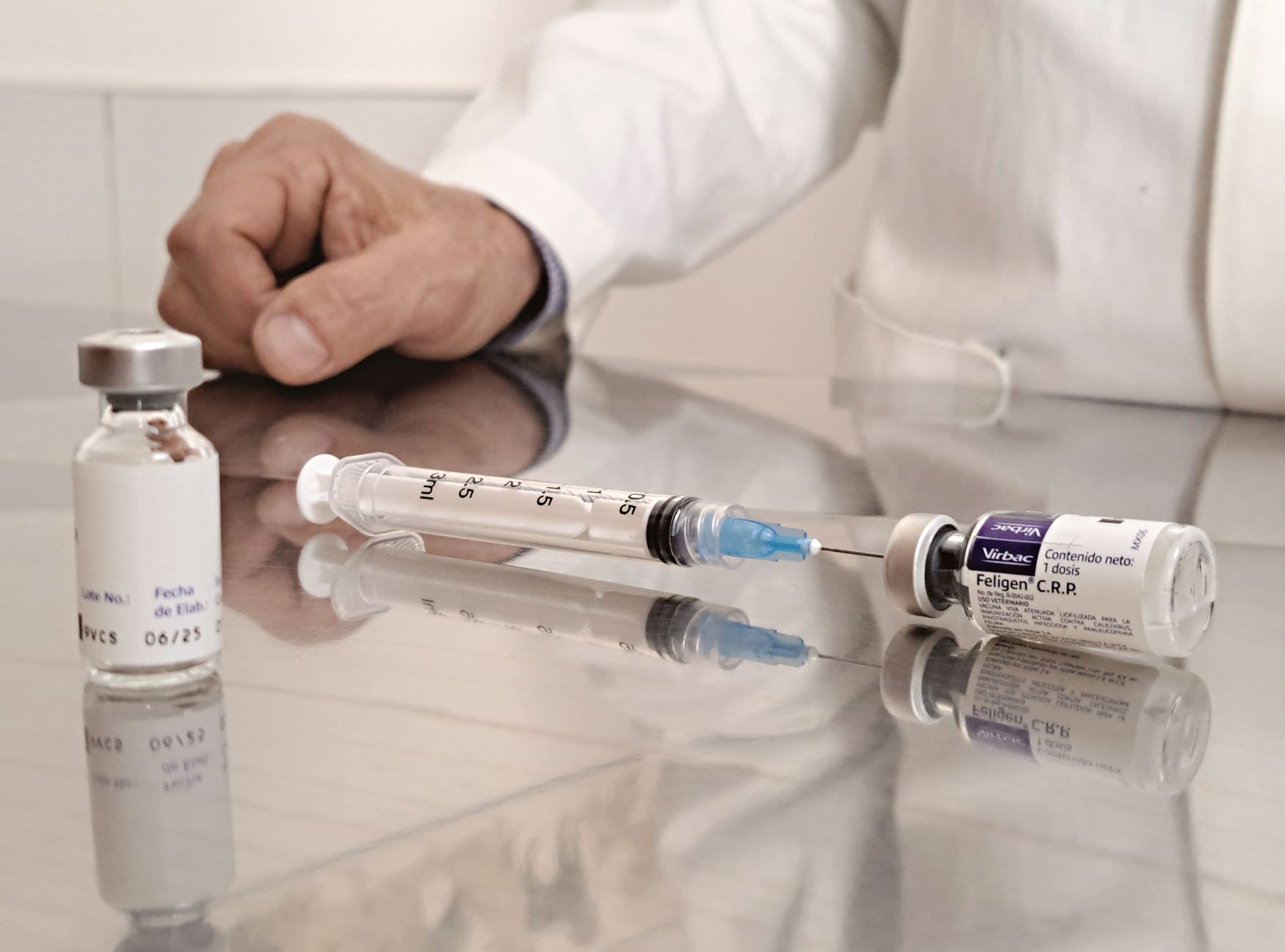
Your practice manager has just asked why last week’s laundry came back with a rejection note. The answer is almost always the same: something went into the wrong bag. Vet practice laundry isn’t like a hotel’s — you’re dealing with body fluids, isolation cases and instruments-adjacent fabric, and a laundry provider working under EN 14065 has to treat contaminated and non-contaminated loads completely differently from the moment they’re picked up. Get the bagging right at your end and collections go smoothly. Get it wrong and you’ll see items sent back, or worse, a genuine cross-contamination risk in your own building before the van even arrives.
The short answer: three categories, three bags
Most practices only need three streams. General theatre and consult linen (drapes, gowns, table coverings with no visible contamination) goes in one bag. Anything visibly soiled with blood, faeces, urine or other body fluids goes in a second, clearly marked bag — usually red or with a water-soluble liner. Isolation or barrier-nursing cases get their own bag every single time, regardless of how the item looks, because the risk isn’t visible contamination, it’s what might be there.
If your practice runs more than one theatre or handles a mix of small animal, equine or exotic cases, add a fourth stream for heavily hair-laden bedding — it’s not an infection risk in the same way, but it clogs machines and irritates other loads if it’s mixed in.
What definitely goes in the contaminated bag
- Any table covering or gown with visible blood, pus, vomit or faecal matter
- Theatre drapes from surgical procedures, even if they look clean — treat all post-op drapes as contaminated
- Recovery bedding used by an animal that has vomited, urinated or defecated during recovery
- Anything from a dental procedure — dental work produces aerosol and fluid contamination that isn’t always visible
The rule of thumb we give practices: if you’d hesitate to touch it bare-handed, it goes in the red bag. Don’t rely on visual inspection alone for anything that’s been near a procedure.
Isolation cases: separate every time, no exceptions
This is the category practices most often get wrong, usually because an isolation case looks like a normal recovery case by the time laundry is collected. Anything used for a barrier-nursed or suspected infectious patient — parvo, ringworm, kennel cough, anything notifiable — needs its own bag, clearly labelled, kept separate from the moment it leaves the kennel. Don’t wait to see if the item looks dirty. The whole point of isolation protocol is that you don’t get a second chance if it’s mixed in with everything else.
Some practices double-bag isolation laundry as standard, with the inner bag water-soluble so staff at the laundry never have to open it manually. If your current provider isn’t offering that option, it’s worth asking — a laundry working to EN 14065 should have a documented process for exactly this, the same way NHS providers manage infectious linen under healthcare laundry protocols.
Colour coding that actually holds up under pressure
Colour coding only works if every member of staff uses it the same way, every time, including on a Friday evening with a full waiting room. Keep it simple:
- White or clear bags — general, non-contaminated linen (unused drapes, clean gowns returned from storage)
- Red bags or red-lined bins — visibly contaminated items
- Yellow or clinical waste-style bags — isolation and barrier-nursing laundry, water-soluble inner liner if possible
Laminate a one-page chart and put it above every laundry bin in the building — theatre, prep room, kennels, recovery. New staff and locums won’t know your system unless it’s written down somewhere they can see it mid-shift.
What happens if it’s mixed up wrong
A laundry provider working under EN 14065 has to keep dirty and clean processing physically and procedurally separate — that’s the whole basis of the standard. If a bag arrives with visibly contaminated items mixed into a general load, most providers will either reject the whole bag back to you or process it as fully contaminated, which usually costs more and takes longer. Either way, you lose linen availability at exactly the point you need it back. It’s the same principle that applies to workwear laundry for food production or industrial sites — segregation at source is what keeps turnaround fast and cost predictable.
There’s also a real risk on your own premises. A contaminated gown sitting in a general linen bin for a few hours is a route for cross-contamination onto staff hands, other laundry, and surfaces nearby. Getting segregation right isn’t paperwork — it’s the actual mechanism that stops infection spreading inside your practice before the laundry ever gets involved.
Building it into your daily routine
The practices that never have rejection problems are the ones who treat bagging as part of the procedure, not an afterthought at the end of the day. Bag contaminated items at the point of removal — straight off the table, straight into the right bag — rather than collecting everything into one bin and sorting it later. Sorting later is where mistakes happen, because by then nobody remembers which gown came from which case.
Train locums and new starters on your colour system on day one, not week three. And do a spot check every few months: open a general bag before it’s collected and see whether anything’s crept in that shouldn’t be there. It’s a five-minute check that saves a rejected collection and an awkward phone call.
Getting vet practice laundry segregation right protects your patients, your staff and your relationship with whoever collects your linen. If you’re not confident your current provider handles isolation and contaminated loads properly under EN 14065, or you want a straightforward colour-coding system set up for your practice, get a quote from CanDo and we’ll talk through exactly how your loads would be handled.
Not sure your current segregation process holds up?
We’ll take a look at how your practice handles contaminated and isolation laundry and tell you honestly where the risk is.