CanDo Laundry Services: Commercial Linen Hire & Laundry

Categories
Hotels & Hospitality

Restaurant Laundry Service: Tablecloths, Napkins and Chef Uniforms — Handled

July 2026

Restaurant Laundry Service: Tablecloths, Napkins and Chef Uniforms — Handled

Managing linen in a busy restaurant is relentless. A professional restaurant laundry service takes the whole job off your plate — and keeps your tables looking sharp every service.

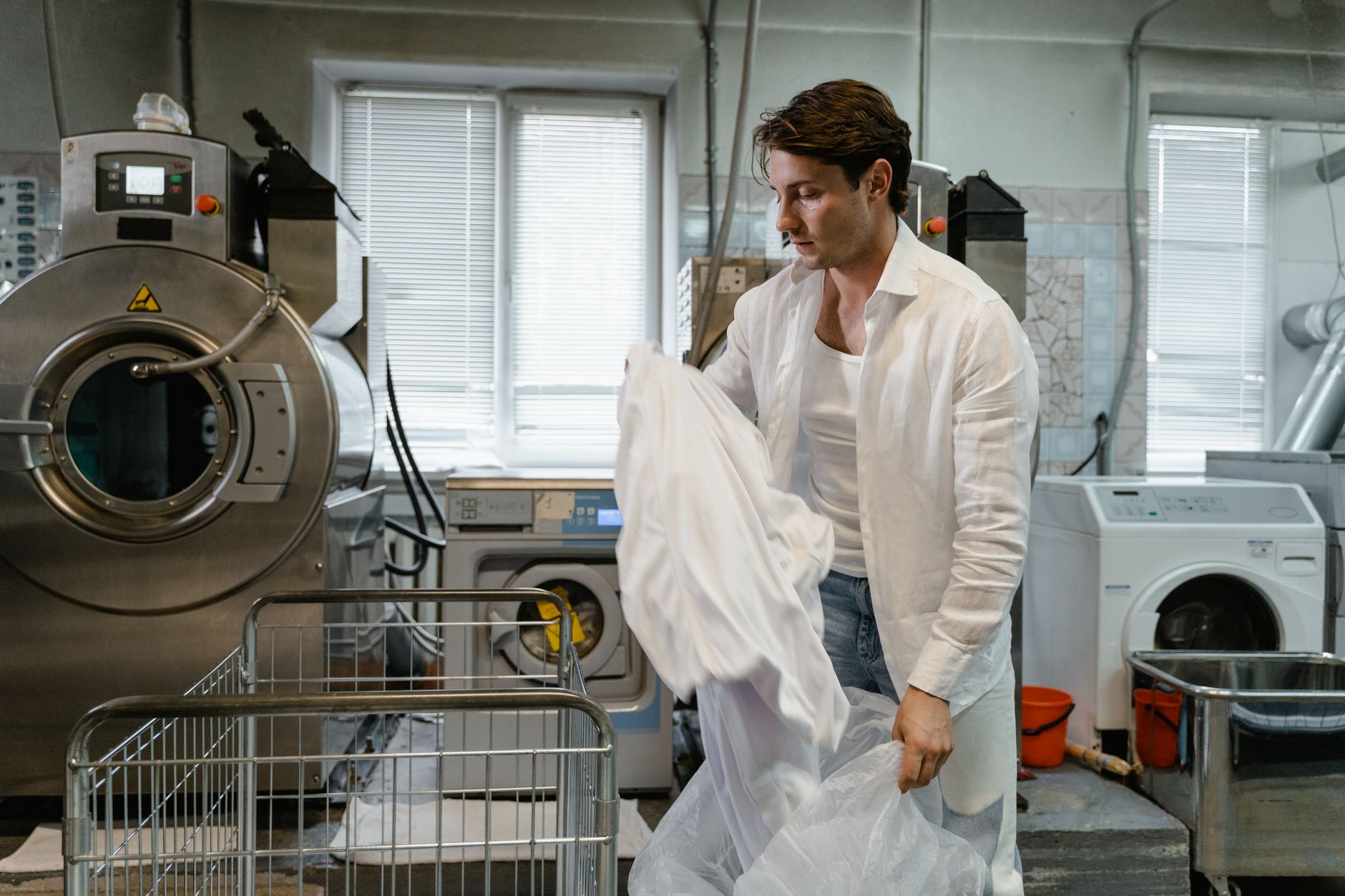
restaurant laundry service — CanDo Laundry Services

If you run a restaurant, you already know the problem. Tablecloths stained with red wine. Napkins that go in looking crisp and come out grey after a few in-house washes. Chef whites that take three cycles to shift the grease. And someone has to deal with all of it — usually the manager, usually late at night.

A restaurant laundry service handles every piece of textile that comes out of your front-of-house and kitchen: tablecloths, napkins, table runners, chef uniforms, aprons, oven cloths, glass cloths. It gets collected, washed to the right standard, and returned ready to use. No washing machines in your cellar. No staff time lost folding napkins at midnight.

Here is what you need to know about how it works — and whether it makes sense for your site.

What a Restaurant Laundry Service Actually Covers

The short answer: everything textile in your restaurant that needs washing. In practice, that splits into three categories.

Table linen. Tablecloths, napkins, table runners and overlays. These get the heaviest use and the most visible staining. A commercial laundry washes them at temperatures that shift wine, oil and sauce without degrading the fabric — which matters when you are paying for quality linen.

Kitchen linen. Oven cloths, glass cloths, tea towels, bar cloths. These are in direct contact with food surfaces, which means FSA food hygiene guidance applies. They need washing at high temperatures — typically 60°C or above — to remove grease and reduce bacterial load. Most in-house domestic machines are not set up to do this reliably at volume.

Staff uniforms. Chef whites, chef trousers, aprons and front-of-house clothing. Presentation matters. Stained or faded uniforms affect how your team are perceived. A commercial laundry processes these consistently, so every uniform comes back the same standard.

Under the Food Safety Act, restaurant operators are responsible for ensuring kitchen linen and surfaces do not contribute to contamination. Regular high-temperature laundering of kitchen cloths and aprons is part of good hygiene practice — and something environmental health officers check.

Restaurant Laundry Service vs Doing It In-House

Most restaurants start off doing laundry in-house. It feels like the cheaper option. Then the washing machine breaks down on a Friday evening and you are hand-rinsing tablecloths at 11 p.m.

The honest cost comparison is not just the energy bill. It is the machine purchase, repairs and replacement. The water and detergent. The staff time — even 45 minutes a day adds up fast over a year. And the linen replacement cost when fabrics wear out faster from too-hot domestic washing or overcrowded drums.

A commercial laundry service bundles all of this into a predictable weekly fee. You know what you are spending. There is no capital outlay on machines, no emergency callouts, and no staff distracted from service.

For high-volume restaurants — particularly those doing multiple covers a day or running private dining — outsourcing typically works out less expensive once all in-house costs are properly accounted for. For smaller independents, the calculation is closer, but the reliability and time saving often tips the decision.

In-House Laundry

Machine costs, repairs, water, energy, detergent and staff time all sit with you. Capacity is limited. If the machine fails during service, there is no backup.

Outsourced Laundry Service

Fixed weekly cost per item or per service. Commercial machines handle high volume. Collection and delivery built in. No capital spend on equipment.

How Linen Hire Works Alongside a Laundry Service

Some restaurants buy their own tablecloths and napkins and use a laundry service just to wash them. Others take a restaurant laundry service that includes linen hire — meaning the provider owns the linen, keeps a float of stock in circulation, and guarantees you always have enough for the week even if last night’s covers were heavy.

Linen hire is worth considering if:

  • You are opening a new site and do not want the upfront linen purchase cost
  • You run high covers and cannot always guarantee enough clean stock by the next service
  • You want damaged or worn items replaced without having to reorder yourself

The alternative — buy your own linen, use a laundry service to wash it — works well when you have specific linen that matches your brand (custom colours, embroidered napkins, etc.) and you want to retain control of the stock.

What to Look for in a Restaurant Laundry Provider

Not all commercial laundries are the same. When you are evaluating a restaurant laundry service, these are the things that actually matter:

Turnaround time. A 48-hour turnaround is standard for most sites. If you are running a busy restaurant with two sittings a day, you want to know your linen will be back before the next service. Check whether the provider can accommodate same-week emergency washes.

Collection and delivery flexibility. Can they work around your deliveries and service times? A laundry collection that clashes with your linen supplier’s arrival or your kitchen prep window is going to cause friction.

Stain treatment. Commercial laundries that specialise in hospitality linen understand food stains — wine, oil, lipstick, sauce. Ask whether they pre-treat items and what their re-wash policy is for pieces that do not come out clean first time.

Hygiene standards. Kitchen linen needs to be washed at temperatures that meet food hygiene requirements. A reputable provider should be able to confirm wash temperatures and their quality control process. EN 14065 is the European standard for laundry hygiene (RABC system) — worth asking whether a prospective provider works to this standard.

CanDo’s restaurant laundry service covers all of the above. If you also need hotel or accommodation linen washed, our hotel laundry service runs on the same reliable schedule.

Keeping Chef Uniforms Looking Professional

Chef whites are the hardest thing to keep looking sharp. A busy kitchen shift leaves them carrying oil, sauce and food residue that does not shift in a standard 40°C domestic wash. Whiteness fades fast when fabrics are washed at the wrong temperature or overcrowded in the drum.

A commercial laundry processes chef uniforms at the temperatures they need and with the right detergent chemistry for food-industry fabrics. The difference shows within a few washes. Uniforms last longer and stay presentable for longer — which matters when your kitchen brigade is visible to guests through open kitchens or pass-throughs.

The same applies to front-of-house uniforms. Aprons, shirts and any branded clothing worn by floor staff need consistent laundering to maintain a standard across the whole team. Outsourcing this to a commercial laundry removes the variation that comes from staff taking uniforms home to wash themselves.

Frequently Asked Questions

What does a restaurant laundry service cover?

A restaurant laundry service typically covers all table linen (tablecloths, napkins, table runners), kitchen linen (oven cloths, glass cloths, tea towels), and staff uniforms including chef whites, aprons and front-of-house clothing.

How often should restaurants launder their linen?

Table linen should be laundered after every use. Kitchen linen — cloths and aprons in contact with food — should be washed daily at a minimum to meet FSA food hygiene guidance. A commercial laundry service on a regular collection schedule makes this straightforward.

Is outsourcing restaurant laundry cheaper than doing it in-house?

For most restaurants, outsourcing is more cost-effective once you account for machine costs, water, energy, detergent, staff time and linen replacement. A commercial laundry service wraps all of this into a predictable weekly fee.

Take Laundry Off Your Plate

CanDo handles tablecloths, napkins, chef uniforms and kitchen linen for restaurants across the UK. Reliable collection, fast turnaround, hygiene-certified washing.

Get a Free Assessment →

Or get a free quote online →


Restaurant Laundry
Linen Hire
Chef Uniforms
Food Hygiene
Commercial Laundry

Categories
Healthcare

Laundry Services for Care Homes: A Buyer’s Guide

July 2026

Laundry Services for Care Homes: A Buyer’s Guide

Everything a care home manager needs to know before choosing a laundry provider — from hygiene compliance to contract flexibility.

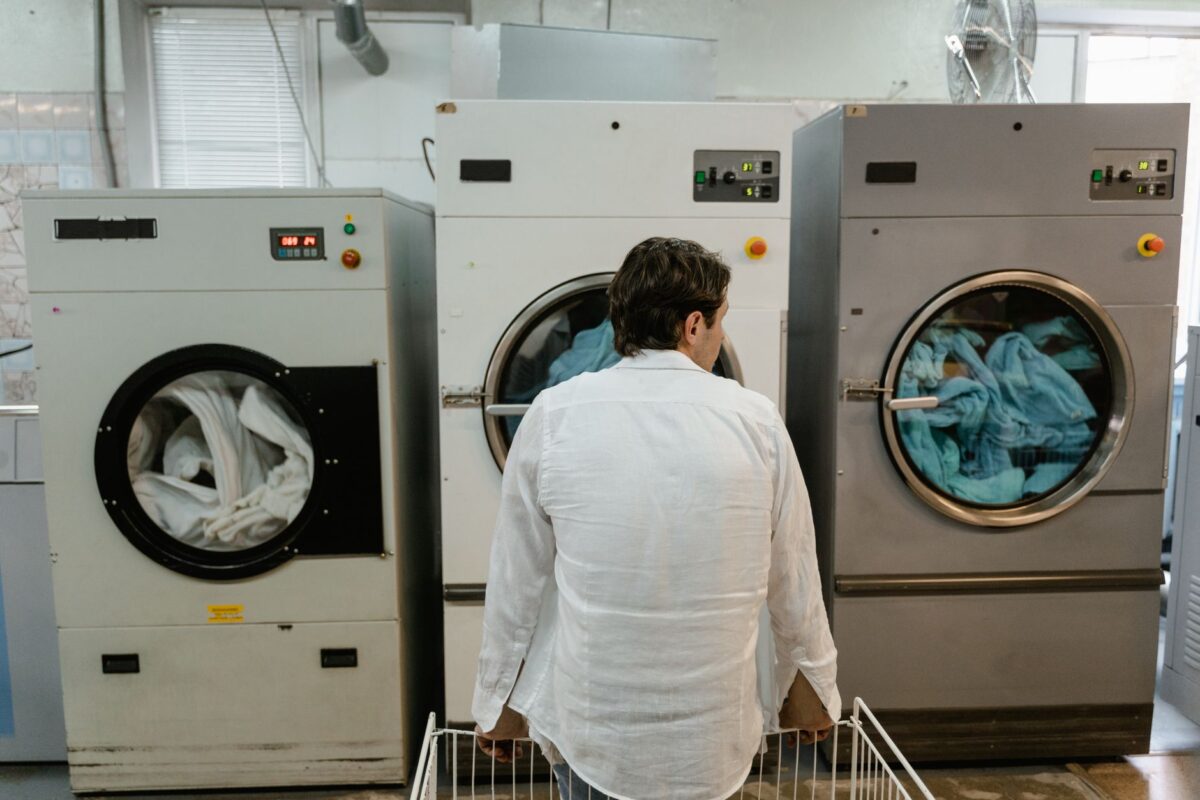
laundry services for care homes — CanDo Laundry Services

Laundry services for care homes aren’t a commodity purchase. Get it wrong and you’re looking at infection control failures, CQC concerns, and very unhappy residents. Get it right and you free up staff time, reduce running costs, and maintain the hygiene standards your residents deserve.

This guide covers what to look for in a care home laundry provider, the compliance standards that matter, and the right questions to ask before signing anything.

Why Care Home Laundry Is Different to General Commercial Laundry

Most commercial laundry is about appearance — clean, pressed linen that looks good. Care home laundry has to go further. You’re dealing with residents who are elderly or unwell, which means infection control is non-negotiable.

The key standard is HTM 01-04 — the NHS guidance on laundry and linen management in healthcare settings. It sets out thermal disinfection requirements: linen must reach 65°C for 10 minutes, or 71°C for 3 minutes, to reliably kill pathogens. Any laundry provider serving care homes should be processing your linen at these temperatures and be able to evidence it.

Alongside HTM 01-04, look for providers operating under EN 14065 — the European standard for laundry hygiene based on a Risk Analysis and Biocontamination Control (RABC) system. It’s the commercial laundry equivalent of a HACCP plan, and it’s what professional providers use to audit and document their hygiene processes.

If a provider can’t talk confidently about either standard, that’s a red flag.

What a Good Care Home Laundry Service Should Cover

The scope of laundry in a care home is broader than people expect. A decent provider should be able to handle all of it:

Resident Bedding & Towels

Sheets, pillowcases, duvet covers, bath towels, face cloths. High volume, regular turnaround, needs to be hygienic and soft enough for sensitive skin.

Resident Personal Clothing

This is the tricky one. Clothes need labelling, sorting, and careful handling to avoid losses. Not all commercial providers offer this — confirm before signing.

Staff Uniforms

Scrubs, tunics, and workwear. Should be processed separately from resident items with clear cross-contamination controls.

Incontinence Items & Soiled Linen

Heavily soiled items need sluicing protocols and separate handling. Confirm the provider has the right equipment and disposal procedures.

CanDo’s healthcare laundry service is designed specifically for settings like this — full compliance documentation, segregated processing, and reliable collection and delivery schedules that fit around your care routine.

The 5 Questions to Ask Any Care Home Laundry Provider

Before committing to a contract, get clear answers to these:

1. Are you processing to HTM 01-04 thermal disinfection standards?

This should be a yes with documentation. Ask to see their temperature logs or RABC records. A reputable provider will have these ready.

2. How do you handle soiled and infected linen?

They should have a clear protocol — separate collection bags (typically red alginate for soluble dissolvable bags), dedicated transport, and segregated washing. Ask what happens if a resident has a norovirus outbreak.

3. What is your turnaround time?

Most care homes need a 24–48 hour turnaround to maintain par stock. If a provider can’t commit to that, your linen supply will run short. Confirm collection days and delivery windows in writing.

4. Can you handle resident personal clothing?

Not all providers do this. If they do, ask about their labelling and sorting process. Mixing up residents’ clothes is one of the most common complaints in care home laundry — and a real dignity issue.

5. What does the contract look like?

Look at the minimum term, notice period, and what happens if your volume changes. A good provider will offer flexibility — you shouldn’t be locked in if your occupancy drops or your needs change.

In-House vs Outsourced: What Makes Sense for a Care Home?

Many care homes run their own on-site laundry. It feels like control — but the real cost is often higher than it looks.

Commercial washing machines for care home volumes are expensive to buy and maintain. You need staff trained on infection control and equipment operation. If the machine breaks down, you have a problem that day. And you’re responsible for proving compliance to the CQC inspector.

Outsourcing shifts that burden to a specialist. The provider handles the equipment, the staff, the compliance records, and the collection logistics. You free up your team to focus on resident care — which is what they’re there for.

Worth knowing: If you’re also looking at workwear for care staff, a single provider handling both residential linen and staff uniform laundry simplifies your operation and often reduces collection costs.

What to Include in Your Laundry Service Specification

When you go out to quote, give providers a clear brief. The more specific you are, the more accurate the quote — and the fewer surprises once you’re up and running.

Your spec should include:

  • Number of beds and typical occupancy
  • Weekly linen volumes (sheets, towels, bedding) — weight in kg if possible
  • Whether you need personal clothing laundered, and the volume
  • Staff uniform volumes and types
  • Any specialist items (waterproof mattress covers, incontinence pads, weighted blankets)
  • Collection and delivery frequency required
  • Any specific labelling requirements

If you’re not sure of your volumes, most providers will do a site visit to help you work it out before quoting. That’s worth asking for — it leads to a more accurate price and a provider who understands your operation before day one.

A Note on CQC and Documentation

CQC inspectors look at laundry as part of infection prevention and control. If you outsource, you need evidence that your provider is compliant — not just their word for it.

Ask for written confirmation of their hygiene standards, copies of any third-party audits, and details of how they document their wash processes. Keep this on file. If you get an inspection, you want to be able to point to the paper trail immediately.

A good outsourced provider makes this easy. If they can’t give you the documentation, find someone who can.

Get a Free Laundry Assessment for Your Care Home

CanDo works with care homes and healthcare providers across the UK. We handle the compliance, the logistics, and the paperwork — so your team can focus on care.

Get a Free Assessment →


Care Homes
Healthcare Laundry
HTM 01-04
Infection Control
Buyer’s Guide

Categories
Healthcare

Hospital Linen Management: Best Practices for NHS and Private Healthcare

July 2026

Hospital Linen Management: Best Practices for NHS and Private Healthcare

Hospital linen management is not just a logistics problem — it is a patient safety issue. Here is how NHS trusts and private healthcare facilities can get it right.

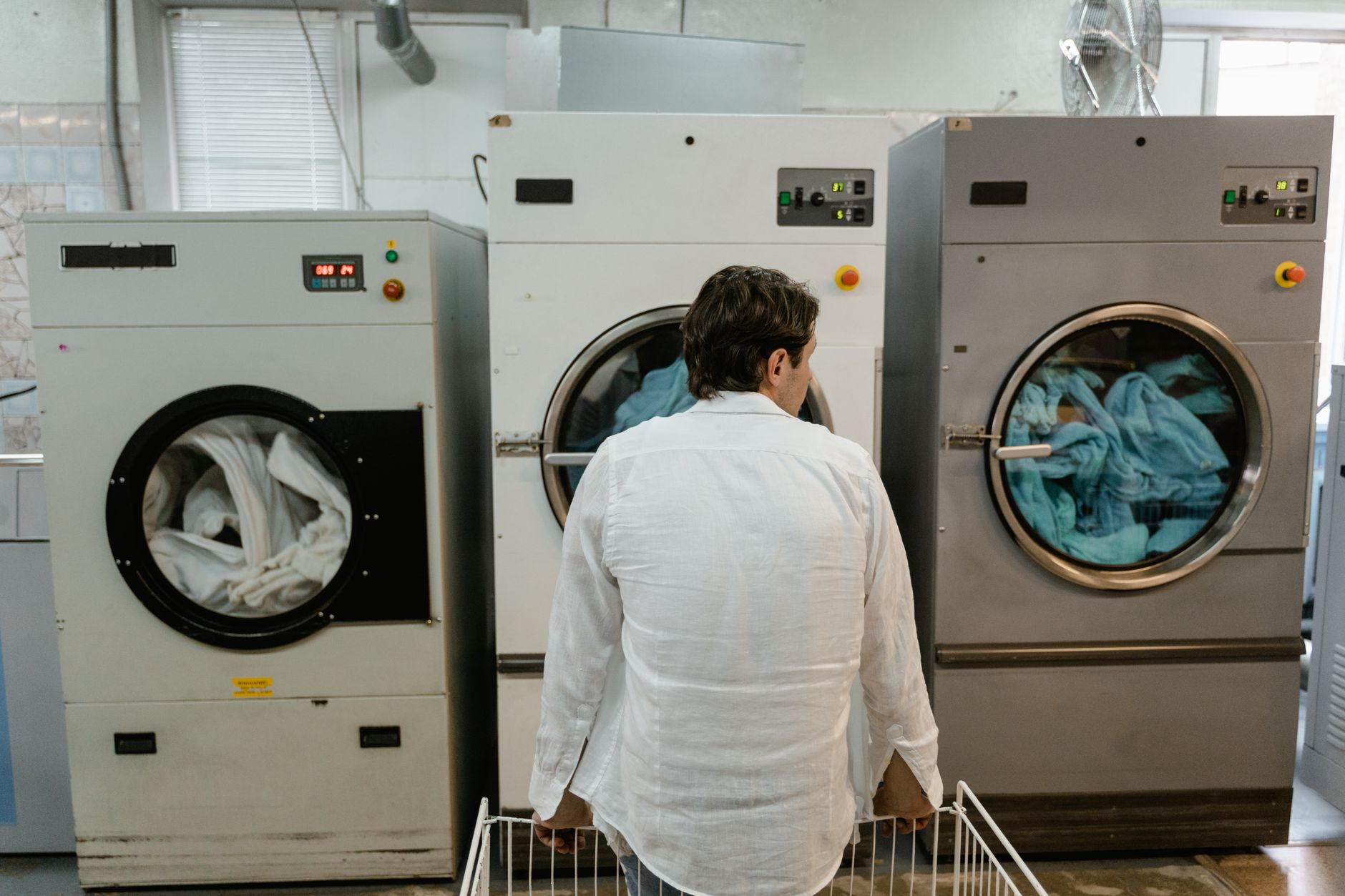
hospital linen management — CanDo Laundry Services

Effective hospital linen management sits at the intersection of infection control, operational efficiency, and cost management. Get it wrong and you risk patient safety incidents, regulatory non-compliance, and the kind of linen shortages that bring a ward to a standstill. Get it right and it runs invisibly — clean linen arrives when it is needed, nothing is ever in short supply, and your infection control team has one less thing to worry about.

This guide covers what best-practice hospital linen management looks like, the regulatory standards that apply, and the decisions every healthcare procurement manager needs to make about whether to run linen services in-house or through a specialist provider.

Why hospital linen management is different from other sectors

Linen management in hotels or restaurants is largely about efficiency and presentation. In healthcare, the stakes are higher. Used linen from clinical environments — patient gowns, bedsheets, scrubs, theatre drapes — can carry infectious agents. Cross-contamination between used and clean linen is a genuine infection control risk.

The NHS guidance HTM 01-04 (Health Technical Memorandum 01-04: Decontamination of linen for health and social care) sets out the technical requirements that laundry processing for healthcare must meet. These include:

  • Thermal disinfection — linen must be processed at temperatures sufficient to eliminate pathogenic organisms. The standard specifies a 65°C wash for at least 10 minutes, or an 85°C wash for at least one minute (the sluice cycle).
  • Segregation — used linen must be sorted, bagged, and handled in a way that prevents contact with clean linen at every stage of the process.
  • RABC (Risk Analysis and Biocontamination Control) — the laundry facility itself must operate under a documented RABC system, defined in the European standard EN 14065. This is the quality management framework for laundry hygiene, equivalent in principle to HACCP in food safety.
  • Transport — clean and used linen must travel in separate vehicles, or in physically separated compartments, with no risk of cross-contamination during transit.

Any healthcare laundry service used by NHS or private facilities must be able to demonstrate compliance with HTM 01-04 and EN 14065. Ask to see their documentation before signing a contract.

Getting par levels right

Par level is the term for the minimum stock of linen a facility needs to have available at any given time to operate safely. In healthcare, calculating par levels incorrectly is one of the most common causes of linen shortages — and shortages have direct clinical consequences.

A typical hospital par calculation takes into account:

Active stock

Linen in use on wards and in clinical areas at any given moment. Calculated from bed count and average length of stay, multiplied by changes per bed per day.

Laundry cycle stock

Linen that is bagged, collected, in processing, or in transit. Based on your collection frequency and the provider’s turnaround time.

Reserve stock

A buffer for unexpected demand spikes — infection outbreaks, emergency admissions, or linen losses. Usually set at 20–30% of active stock.

Written-off allowance

Linen is lost or condemned through wear, staining, or damage. Budget for an annual replacement rate of around 15–25% of total stock.

Tip: If you are repeatedly running short of a specific item — gowns, scrubs, or pillowcases — the problem is almost always insufficient par stock, not an unreliable laundry provider. Review your par calculation before changing supplier.

Segregation and handling on the ward

Best-practice linen management does not begin in the laundry — it begins on the ward. How staff handle used linen directly affects infection risk and the laundry provider’s ability to process it safely.

HTM 01-04 defines four categories of healthcare linen, each requiring different handling:

  • Used (soiled) linen — standard ward linen. Placed in white linen bags.
  • Foul/infected linen — linen that is heavily soiled with body fluids, or linen from patients in isolation. Placed in water-soluble inner bags inside an outer bag, clearly labelled.
  • Heat-labile linen — items that cannot tolerate high-temperature thermal disinfection (e.g. certain specialist garments). Must be processed using a validated chemical disinfection route.
  • Linen from patients with certain notifiable conditions — handled according to specific infection control protocols agreed with your Infection Prevention and Control (IPC) team.

Staff training is essential. If ward staff are not correctly categorising and bagging linen, the downstream risk to the laundry workforce and to other patients is real. Include linen handling in your IPC induction programme.

In-house laundry vs outsourced laundry: the healthcare case

Many NHS trusts historically operated on-site laundry facilities. Over the past two decades, the majority have moved to outsourced contracts — either through NHS Shared Business Services frameworks or directly with commercial providers.

The case for outsourcing in healthcare is strong:

  • Compliance assurance — a specialist provider maintains HTM 01-04 and EN 14065 compliance as their core business. Maintaining that standard in-house requires dedicated capital investment and specialist management.
  • Consistent turnaround — contracted SLAs guarantee turnaround times, reducing the risk of ward shortages.
  • Scale efficiency — commercial laundries process linen at volumes that give them significant cost advantages on energy, water, and chemicals versus a single-site hospital laundry.
  • Capital release — decommissioning an on-site laundry frees up clinical or administrative space and eliminates equipment replacement costs.

Private hospitals and independent healthcare providers face the same calculation. Running a laundry operation inside a facility that is primarily built for clinical care is rarely efficient — the management overhead, compliance burden, and capital cost almost always make outsourcing the better option.

If you are reviewing your options, our guide to healthcare laundry service covers what to look for in a contract and how to assess whether a provider meets the required standards.

Linen tracking and stock control

Linen loss is a persistent problem in healthcare settings — items go missing on wards, get discarded with clinical waste, or are taken home by patients. Over a year, unmanaged linen loss can represent a significant replacement cost.

Modern linen management systems address this through RFID tagging or barcode tracking, which allows every item to be tracked from issue to collection and through the laundry cycle. Benefits include:

  • Accurate real-time stock counts by ward or department
  • Automated reorder triggering when stock falls below par
  • Loss attribution — identifying where linen is going missing
  • Wash cycle data — confirming each item has been processed correctly
  • End-of-life tracking — knowing when items have been washed enough times that replacement is due

Not every healthcare provider needs a full RFID system, but even basic barcode tracking at collection and delivery points significantly reduces unexplained losses. Ask your laundry provider what tracking capabilities they offer — it should be part of the service, not an optional extra.

Procurement: what to look for in a healthcare laundry contract

When tendering for a healthcare laundry contract, the compliance checklist matters more than the price. A provider that offers a lower rate but cannot demonstrate HTM 01-04 compliance is not a viable option — the regulatory and reputational risk is too high.

Key questions to ask:

  • Can you provide documentation of your EN 14065 RABC certification?
  • What is your validated process for foul and infected linen?
  • What turnaround SLA do you offer, and what is your process if you miss it?
  • Do you carry out regular microbiological testing on processed linen?
  • What vehicle standards do you operate for clean/used linen separation during transit?
  • What linen tracking system do you use, and can we access reports?

Note on frameworks: NHS procurement for laundry services can be done via the NHS Supply Chain or Crown Commercial Service frameworks, which pre-qualify suppliers on compliance. If you are outside the NHS, asking a provider which frameworks they are listed on is a useful shortcut to due diligence.

Good hospital linen management is not complicated — but it does require clear systems, the right provider, and staff who understand why the procedures matter. Whether you are reviewing an in-house operation or re-tendering an outsourced contract, the checklist above gives you a solid starting point.

Talk to CanDo about healthcare laundry

CanDo works with NHS and private healthcare providers across the UK. If you are reviewing your linen management setup, we can walk you through our compliance credentials and give you a clear picture of what a managed service would look like for your facility.

Get a Free Assessment →


Healthcare Laundry
HTM 01-04
NHS Linen
Infection Control
Linen Management

👋 Need help finding the right laundry service for your business?

Jade
Jade
CanDo Support • Online

Hi there! Before we chat, tell us a little about yourself.

Prefer to speak with someone?