CanDo Laundry Services: Commercial Linen Hire & Laundry

Categories
Guides & Tips

Logo Mat Rental: How Branded Floor Mats Improve Your Entrance

August 2026

Logo Mat Rental: How Branded Floor Mats Improve Your Entrance

Your entrance is the first thing customers see. A logo mat rental service keeps it clean, on-brand, and professionally maintained — without the effort of doing it yourself.

logo mat rental — CanDo Laundry Services

Logo mat rental is one of those small investments that pays back disproportionately. A clean, well-branded mat at your door tells customers you care about detail. A worn, tatty one tells them the opposite. For hotels, restaurants, offices, and retail businesses, the entrance sets the tone for everything that follows.

This guide covers what logo mat rental includes, who it suits, how it works in practice, and how to decide if it’s right for your premises.

What Is Logo Mat Rental?

Logo mat rental is a contract service where a supplier provides, launders, and maintains branded entrance mats on your behalf. You get mats printed with your business name, logo, or colours — and the supplier handles collection, cleaning, and replacement on a regular schedule.

It’s the opposite of buying mats outright. Instead of spending a lump sum on mats that gradually degrade (and that you have to clean yourself), you pay a regular rental fee and get clean, fresh mats delivered whenever yours are picked up for washing.

Most logo mat rental contracts include scheduled collection and redelivery, professional laundering, and automatic replacement when mats show wear. You never have to think about it.

Why Logo Mat Rental Makes a Difference for Your Entrance

Entrance mats do two jobs: they trap dirt and moisture from footwear before it reaches your floor, and they signal something about your business the moment a customer walks in. A branded mat does both jobs at once.

For hotels especially, the entrance is a guest’s first physical touchpoint. A crisp logo mat with the hotel name sits in the same category as a polished reception desk or a freshly pressed uniform — it’s a detail that contributes to an overall impression. Our hotel laundry service covers this kind of detail alongside bedding, towels, and room linen, so the whole property presents consistently.

For restaurants and cafés, a branded mat at the entrance reinforces the brand before a customer has even been seated. For offices, it signals professionalism to visitors and clients from the moment they arrive.

What Does Logo Mat Rental Typically Include?

A standard logo mat rental contract covers the following:

Branded mat supply

Mats printed with your logo, business name, or both. Colours matched to your brand where possible. Multiple sizes available depending on entrance dimensions.

Regular laundering

Mats are collected on a set schedule — typically weekly or fortnightly — professionally washed and dried, then returned. No muddy mats sitting in your back office.

Replacement when worn

As mats wear over time, the supplier replaces them as part of the contract. You always have mats that look presentable, not faded or frayed ones you’ve been meaning to replace.

Seasonal flexibility

Many contracts allow you to adjust mat size or type by season — heavier-duty absorbent mats for winter, lighter ones for summer. Useful for hospitality businesses with seasonal footfall.

Logo Mat Rental vs Buying Your Own Mats

The buy-versus-rent question comes up often. Here’s how to think about it honestly.

Buying mats outright has a lower upfront cost if you only need one or two. But the hidden costs add up: you need to clean them regularly (either in-house or with a laundry service), replace them when they wear out, and manage storage. For a multi-entrance site — a hotel with a main entrance, side entrance, and restaurant entrance, for example — that becomes a meaningful logistics task.

Rental makes the economics cleaner. You pay a predictable monthly fee, you always have clean mats, and replacement is included. For businesses that already use a commercial floor mat rental service for safety or anti-fatigue mats, adding branded logo mats to the same contract is usually straightforward.

Which Businesses Benefit Most from Logo Mat Rental?

Logo mat rental works best for businesses where the entrance matters — and where keeping it presentable without additional internal effort is a priority. That typically means:

Hotels and serviced accommodation. Guests arrive at all hours, in all weathers. A consistently clean, branded mat at the main entrance contributes to the first impression that shapes their stay review. Hotels managing their own linen and laundry in-house already know how labour-intensive maintenance is — outsourcing entrance mats is a natural extension of the same logic.

Restaurants, cafés, and bars. High footfall, wet weather tracked in from the street, and a brand that benefits from consistent presentation at every customer touchpoint. A restaurant with a clean logo mat sends a subtle signal about its hygiene standards generally.

Offices, clinics, and retail sites. Any customer-facing premises where first impressions count. Healthcare settings in particular benefit from mats that are professionally laundered to a hygiene standard — important given the sensitivity around cleanliness in those environments.

Multi-site businesses. If you operate several branches, coordinating mat maintenance across all of them becomes a job in itself. A contract with a single supplier covers the whole estate, with a consistent standard at every site.

What to Look for in a Logo Mat Rental Provider

Not all mat rental services are equal. When evaluating providers, check these points:

Laundering quality. Mats need to be properly cleaned, not just shaken out. Ask about the cleaning process — commercial laundry equipment at the right temperatures removes ingrained dirt and leaves mats looking fresh rather than just damp.

Collection and delivery reliability. A rental service that misses a scheduled collection leaves you with dirty mats and no clean replacements. Reliable turnaround matters, especially in high-traffic hospitality settings.

Contract flexibility. Business needs change. Look for contracts that allow you to add entrance points, change mat sizes, or adjust frequency without heavy penalties.

Branding quality. Logo mats fade over time — how does the supplier handle faded or damaged branded mats? Replacement should be built into the contract, not charged as an extra.

Tip: If you already use a laundry service for your linen, workwear, or other textiles, ask whether they also offer floor mat rental. Bundling under a single contract usually simplifies invoicing and scheduling.

How Logo Mat Rental Fits into a Wider Laundry Contract

For most hospitality and commercial businesses, logo mat rental isn’t a standalone purchase — it’s one part of a broader linen and laundry operation. Hotels managing bed linen, towels, and restaurant table linen alongside entrance mats benefit from having a single supplier who understands the full picture.

CanDo Laundry Services covers the complete range: hotel linen, restaurant linen, workwear, and commercial floor mats including branded logo mats. That means one point of contact, one collection schedule, and consistent service standards across everything. If you’re reviewing your laundry arrangements, it’s worth considering entrance mats as part of that conversation rather than a separate procurement exercise.

Get a Free Laundry Assessment

Tell us about your premises and we’ll put together a proposal covering logo mats, linen, and any other laundry services you need — with a clear, no-obligation quote.

Get a Free Assessment →


Logo Mat Rental
Floor Mats
Branded Mats
Entrance Mats
Commercial Laundry

Categories
Guides & Tips

How to Wash Football Shirts: Temperature, Detergent & Drying Guide

August 2026

How to Wash Football Shirts: Temperature, Detergent & Drying Guide

Get the wash right every time — and stop ruining kits that cost a fortune to replace.
how to wash football shirts — CanDo Laundry Services

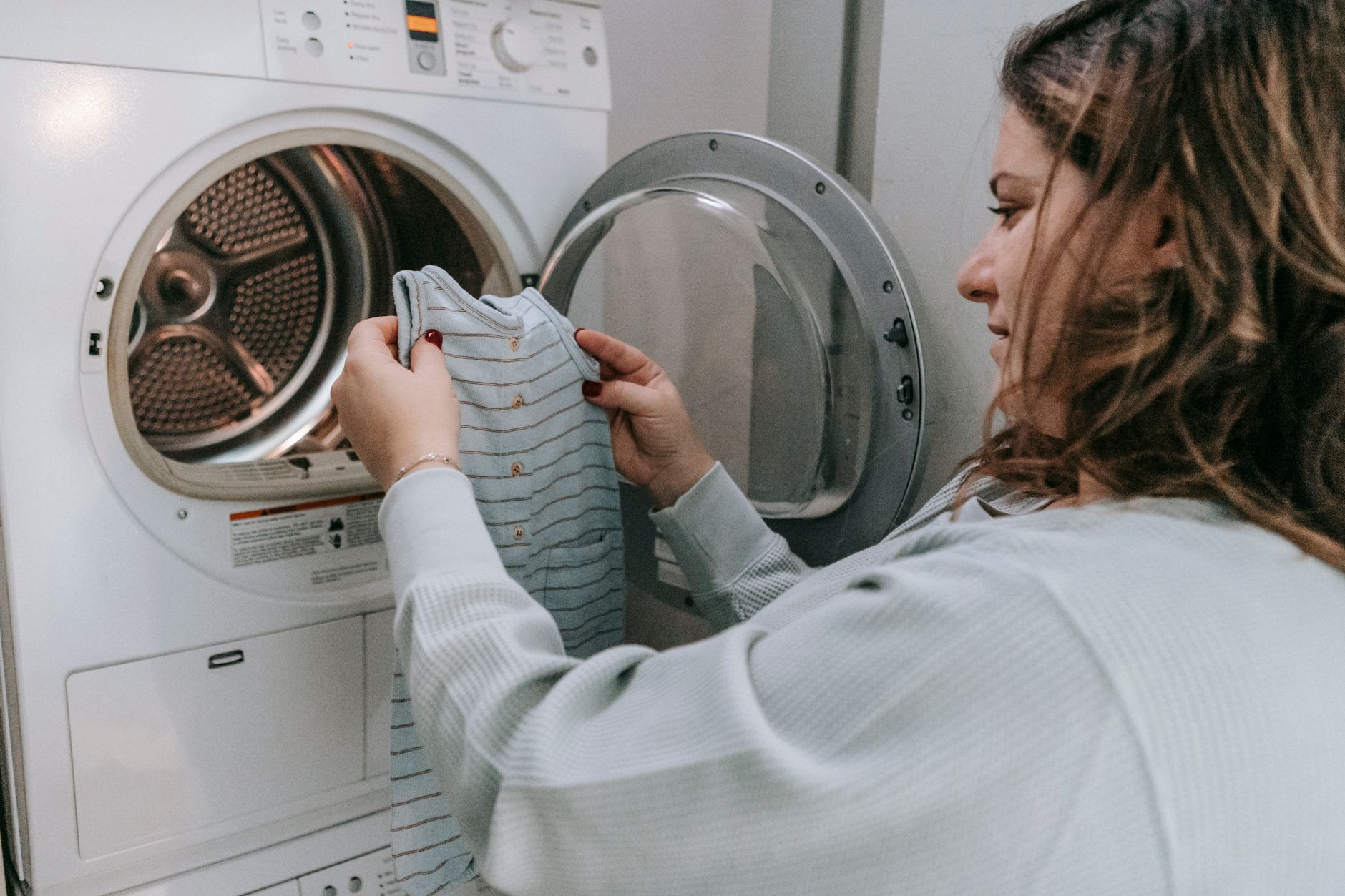
Knowing how to wash football shirts properly makes a real difference. Get it wrong and you fade the badge, shrink the fabric, or peel the player name before the season is half done. This guide covers the right temperature, which detergent to use, and how to dry shirts so they come out looking sharp — whether you’re washing one shirt at home or a full squad kit every week.

Why Football Shirts Need Special Care

Modern football shirts are not ordinary cotton T-shirts. Most are made from lightweight polyester or a polyester-elastane blend. These synthetic fabrics wick sweat away during a match, but they react badly to high heat. They also tend to trap odours more than natural fibres, which tempts people to wash hotter — the opposite of what you should do.

Printed numbers, names and badges add another layer of risk. Heat and harsh detergents break down the adhesive on heat-pressed prints. Even a few washes at the wrong temperature can start the peeling process. Embroidered badges hold up better, but rough wash cycles can still cause fraying over time.

Quick rule: If the care label says 30°C, wash at 30°C. Most modern football shirts are designed for a cool, gentle cycle — not a hot wash.

What Temperature Should You Wash Football Shirts At?

The safe default for most football shirts is 30°C on a gentle or delicates cycle. This is cool enough to protect synthetic fibres and printed graphics. If a shirt has been worn in a heavy match and smells strong, you might push to 40°C — but no higher unless the care label says otherwise.

Avoid anything above 40°C. Heat is the single biggest cause of colour fade and print damage. It can also cause polyester to pill, leaving the fabric looking worn and bobbled after just a handful of washes.

For club kits washed repeatedly across a season, a consistent 30°C cycle is the right call. It protects the shirt and still removes sweat, grass stains and mud effectively when combined with the right detergent.

Which Detergent Works Best?

Use a liquid detergent designed for colours or sportswear. Liquid detergents dissolve fully at low temperatures — powder can leave residue on synthetic fabrics if the wash is too cool. Colour-care formulas include ingredients that reduce dye transfer and fading.

Avoid biological detergents on delicate prints if you can. Biological enzymes are excellent at breaking down protein stains like grass and blood, which is useful, but they can also attack the dyes in bright synthetic fabrics over many washes. A non-biological colour detergent strikes the better balance for regular kit washing.

Never use fabric softener on performance sportswear. Softener coats the fibres and blocks the moisture-wicking properties the fabric was designed to provide. It also builds up wash after wash and can leave shirts feeling slimy rather than fresh.

Do This

Wash inside out at 30°C. Use liquid colour detergent. Air dry flat or on a hanger away from direct heat.

Avoid This

Hot washes above 40°C. Fabric softener. Tumble drying on a high heat setting. Wringing or twisting the shirt.

Dealing With Grass Stains and Mud Before You Wash

Pre-treating stains makes a big difference. Let mud dry completely before you touch it — scraping wet mud spreads it deeper into the fabric. Once dry, brush off the loose dirt, then apply a small amount of liquid detergent directly to the stain. Leave it for ten to fifteen minutes, then wash as normal.

For grass stains, the same approach works well. Apply detergent directly, work it gently into the fabric with your fingers, and leave it to soak briefly before the main wash. Avoid scrubbing hard — that distorts the weave on lightweight polyester.

Blood should be treated with cold water, not hot. Hot water sets protein stains. Rinse the area in cold water first, then apply detergent and wash on a cool cycle.

How to Dry Football Shirts Without Damaging Them

Air drying is always the safest option. Hang the shirt on a hanger or lay it flat on a drying rack, away from direct sunlight or a radiator. Direct heat — whether from the sun or a radiator — causes the same damage as a hot wash. Colours fade and prints crack.

If you must use a tumble dryer, use the lowest heat setting and remove the shirt while it is still slightly damp. Letting it finish drying in the air avoids heat damage to badges and prints. Never tumble dry on a high setting — polyester can warp and distort permanently.

Do not iron directly over printed names or numbers. If you need to press the shirt, turn it inside out and use a cool iron — or skip the iron entirely. Football shirts rarely need pressing if they are dried correctly.

Washing a Full Squad Kit — When Volume Becomes a Problem

Club kit managers and sports facility staff face a different challenge. Washing twenty or thirty shirts after a weekend of fixtures takes time, equipment and the right detergents. Getting every shirt through at the correct temperature, with the right cycle, adds up to real effort every single week.

Many clubs and leisure facilities turn to commercial laundry services for exactly this reason. A commercial wash guarantees consistent temperatures, correct detergent doses and gentle cycles — every time, without the guesswork. Our workwear laundry service handles high-volume garment washing for businesses and organisations across South Wales and beyond, with the same care applied to every item in the bag.

Hotels with leisure facilities and sports clubs attached also benefit from bundling kit laundry with their wider linen needs. Our hotel laundry service already handles towels, bedding and staff uniforms — adding sports kit to the collection is straightforward.

A Simple Pre-Wash Checklist

Before every wash, run through these steps. Turn the shirt inside out to protect the print. Check pockets and remove any gum shields or shin pad straps. Pre-treat any visible stains. Close zips and velcro fastenings so they do not snag other items. Set the machine to 30°C on a gentle cycle. Use liquid colour detergent — no fabric softener.

Follow those steps consistently and your shirts will last far longer than if you chuck them in on a hot wash with whatever powder is nearest.

Whether you’re looking after one shirt or an entire squad’s kit, consistency is everything. If the volume of washing is becoming a burden, get a quote from CanDo and find out how a commercial laundry service can take it off your hands.

Need Help With High-Volume Kit Washing?

CanDo handles garment and linen washing for businesses, clubs and facilities across South Wales and the UK. Consistent results, reliable collections, no hassle.
Get a Free Assessment →


Football Shirts
Sports Kit
Laundry Tips
Workwear Laundry
Kit Washing
Categories
Guides & Tips

Anti-Fatigue Mats for Businesses: A Complete Buyer’s Guide

July 2026

Anti-Fatigue Mats for Businesses: A Complete Buyer’s Guide

If your staff stand for most of their shift, the floor they stand on matters more than you might think. Here is everything you need to choose the right anti-fatigue mats — and keep them clean.


Anti-fatigue mats for businesses are one of those purchases that seems minor until you see the difference. For any employee standing on a hard concrete or tile floor for six or more hours a day — kitchen staff, production workers, retail assistants, receptionists — fatigue builds quickly. Legs ache, concentration drops, and over time the risk of back problems and knee strain goes up.

A good anti-fatigue mat reduces that strain by encouraging small, continuous muscle movement that keeps blood flowing. This guide covers what to look for when choosing a mat, which environments need them most, and whether to buy outright or use a rental service.

Where Anti-Fatigue Mats Make the Most Difference

Not every workplace needs anti-fatigue mats everywhere. The key is identifying the fixed standing positions in your operation — the spots where one or more people stand in roughly the same place for most of their shift.

The highest-priority areas tend to be:

  • Commercial kitchens — chefs and kitchen porters stand on hard tile floors for entire services. This is where anti-fatigue matting has the clearest return.
  • Food production lines — factory and production workers often stand at fixed stations for hours at a time. COSHH regulations also require safe, non-slip surfaces in these environments.
  • Retail checkouts and counters — staff who process transactions or assist customers at a fixed point benefit significantly.
  • Reception desks and front-of-house areas — especially in hotels, where staff may stand for entire shifts at the front desk.
  • Healthcare and dental settings — nurses, dental practitioners, and theatre staff all stand for extended periods on hard clinical floors.

If you run a hotel, the kitchen and front desk are the obvious starting points. A hotel laundry service that also covers floor mat provision means one less supplier to manage — and consistent hygiene standards across your linen and matting.

What to Look for When Choosing Anti-Fatigue Mats for Businesses

The commercial mat market ranges from basic foam tiles to heavy-duty rubber compounds designed for industrial use. Here is what actually matters for a business purchase.

Material

Rubber is the most durable for commercial use. It handles heavy traffic, resists oils and chemicals, and is easy to clean. Foam mats are lighter and cheaper but wear faster — fine for a low-traffic office, not for a kitchen.

Thickness

For most commercial settings, 9–12mm is the sweet spot. Thicker mats (up to 20mm) give more cushion but can create a trip hazard if edges are not properly bevelled. Always check the edge profile before ordering.

Surface finish

Look for a non-slip surface on both sides — top to prevent slipping while working, underside to prevent the mat moving on a wet floor. In kitchens, an open-grid or drainage surface helps when liquids are involved.

Size and shape

Measure the standing zone, not the room. A mat that is too large becomes a trip hazard; too small and staff step off it constantly. For a checkout or prep station, a standard 60×90cm or 60×120cm mat is usually right.

Hygiene Standards: Why Cleaning Anti-Fatigue Mats Matters

This is the part most buyers overlook at purchase. A mat in a commercial kitchen collects grease, food particles, and moisture every day. Left uncleaned, it becomes a hygiene risk — exactly the opposite of what you want in a Food Standards Agency inspection.

Under FSA guidance, kitchen surfaces — including floor coverings — must be kept clean and in good repair. A visibly soiled or degraded mat will be noted. If you operate under a Scores on the Doors scheme, mat hygiene is visible to inspectors.

In food service environments, anti-fatigue mats should be thoroughly cleaned at least once a week — more often in high-output kitchens. That means removing them, washing and disinfecting the mat and the floor beneath it, and returning them properly dried. In practice, most businesses either do this inconsistently or skip it.

This is one reason why many hospitality and food businesses choose a commercial floor mat rental service rather than buying. The service collects dirty mats on a set schedule and returns clean ones — so hygiene is handled automatically, not dependent on a member of staff remembering to soak and scrub the mats before a busy service.

Rent or Buy? The Honest Comparison

Both options work. The right choice depends on how many mats you need, how disciplined your cleaning routine is, and how much capital you want to tie up in floor matting.

Buying makes sense if:

  • You need just two or three mats and have a reliable in-house cleaning process
  • Your environment is low-contamination (e.g. a dry office reception)
  • You prefer a one-off capital purchase over an ongoing service contract

Renting makes sense if:

  • You have multiple mats across a kitchen, prep area, and front-of-house
  • Your environment generates grease, moisture, or food waste daily
  • You want consistent hygiene without adding a task to your kitchen team’s list
  • You prefer to avoid replacing worn mats — a rental service covers that

For most restaurants and hotels, rental wins on total cost of ownership once you factor in cleaning time, replacement costs when mats degrade, and the risk of failing a hygiene inspection. If you already use a laundry service for your kitchen linen or workwear laundry, adding floor mats to the same contract is a simple extension.

Anti-Fatigue Mats and Health & Safety Compliance

Under the Health and Safety at Work Act 1974 and the Manual Handling Operations Regulations, employers have a duty to reduce the risk of musculoskeletal disorders for employees who stand for long periods. Providing appropriate anti-fatigue matting in identified high-risk standing areas is a straightforward, documented way to demonstrate that you are taking this seriously.

COSHH regulations are also relevant in environments where cleaning chemicals or industrial solvents are used near standing areas — in these cases, chemical-resistant mat compounds are required. Standard rubber mats are adequate for most commercial kitchens, but check the spec if your operation involves industrial-grade degreasers.

Keeping a record of when mats were installed, cleaned, and replaced is good practice — especially if you are ever asked to evidence your health and safety measures.

Frequently Asked Questions

How thick should an anti-fatigue mat be for a commercial kitchen?

For most commercial kitchens, 9–12mm is sufficient. This provides meaningful cushioning without creating a significant step-up that could cause a trip. Thicker mats (15–20mm) are more common in industrial production settings where workers stand for very long continuous periods.

How often should anti-fatigue mats be cleaned?

In food service, at least weekly — and the floor beneath the mat should be cleaned at the same time. In high-output kitchens, twice weekly is better practice. A rental service handles this automatically on a fixed schedule, removing the mat, cleaning it to the required standard, and returning it ready for use.

Do anti-fatigue mats need to meet any regulations?

There is no single UK standard specifically for anti-fatigue mats, but they should meet general workplace floor covering requirements under the Workplace (Health, Safety and Welfare) Regulations 1992 — which require floors to be suitable, kept clean, and free from hazards including trip risks. In food environments, material compatibility with food-safe cleaning products is an additional consideration.

Get Anti-Fatigue Mats Sorted — Without the Hassle

CanDo supplies, cleans, and replaces commercial floor mats on a regular service schedule. No upfront cost, no cleaning to manage, no worn-out mats left in your kitchen.

Get a Free Quote →


Floor Mats
Health & Safety
Commercial Kitchens
Hospitality
Buyer’s Guide

Categories
Guides & Tips

Commercial Floor Mat Rental: What It Costs and Who Needs It

July 2026

Commercial Floor Mat Rental: What It Costs and Who Needs It

Buying your own entrance mats looks simple — until you factor in laundering, storage, and replacement. Commercial floor mat rental removes all of that. Here is what the service includes and how to decide if it is right for your business.


Commercial floor mat rental is a managed service: a provider supplies clean mats to your premises on a regular schedule, collects the dirty ones, launders them, and returns fresh replacements. You pay a fixed weekly or monthly fee. No purchasing stock. No finding somewhere to wash a heavy, sodden mat. No replacing one that has worn through at the edges.

It sounds straightforward — and it is. But the reason more businesses are moving to rental rather than ownership is less about simplicity and more about what mats actually cost when you account for the full picture. This guide covers the types of commercial floor mat rental available, who benefits most, and the honest cost comparison against buying your own.

Types of Commercial Floor Mat Available on Rental

Not all floor mats are the same. A commercial floor mat rental contract can cover several different mat types depending on your premises and industry:

Entrance and scraper mats

The workhorse of any commercial entrance. Designed to trap dirt and moisture from footwear before it spreads into the building. Essential for hotels, offices, retail stores, and any premises with high footfall in wet or muddy conditions.

Anti-fatigue mats

Used in kitchens, production lines, assembly areas, and behind service counters. Cushioned construction reduces fatigue and joint strain for staff standing for long periods. Relevant to any business under Health and Safety Executive (HSE) guidance on manual handling and workplace ergonomics.

Logo and branded mats

Entrance mats printed with your company name, logo, or brand colours. Used in hotel receptions, corporate offices, retail flagships, and car showrooms. Part welcome mat, part brand statement.

Safety and wet area mats

Non-slip rubber or foam mats for kitchens, bathrooms, changing rooms, and pool areas. Reduce slip risk — an important consideration under the Workplace (Health, Safety and Welfare) Regulations 1992, which require employers to keep floors free of slip and trip hazards.

Most commercial floor mat rental contracts let you mix types across a single agreement — entrance mats for the reception, anti-fatigue mats for the kitchen, wet area mats for changing rooms — all collected and delivered on the same route.

Who Benefits Most from Commercial Floor Mat Rental?

Almost any business with regular footfall has a use for clean, maintained floor mats. But certain sectors see the clearest operational benefit:

Hotels and hospitality

A hotel entrance processes hundreds of guests per day in all weathers. A dirty or worn entrance mat is one of the first things a guest notices — and one of the last things a busy front-of-house team has time to deal with. Rental ensures clean mats arrive before they become a problem. Hotels already managing hotel laundry through an outsourced provider can often add floor mat rental to the same contract, simplifying the supplier relationship further.

Restaurants and food service

Restaurant kitchens need anti-fatigue and wet area mats — usually several per shift. Heavy grease and food debris means these mats need proper industrial laundering, not a rinse under the hose. A mat that looks clean but carries food residue is both a hygiene risk and a slip hazard. Commercial mat laundering ensures mats are properly cleaned and sanitised before they go back on the kitchen floor. Businesses already using a restaurant laundry service for their table linen and chef whites can often extend coverage to floor mats through the same provider.

Offices and corporate premises

Branded logo mats make a strong first impression in reception areas. For larger office buildings with multiple entrances, the volume and variety of matting can be significant — a rental contract removes the need to manage stock levels, laundering arrangements, and mat disposal when they wear out.

Healthcare and care homes

Slip prevention is a compliance issue in healthcare environments. Anti-fatigue mats for nursing staff and non-slip wet area mats for bathrooms and shower areas are frequently required. Proper laundering under hygiene protocols matters here — a mat shared between clinical areas needs more than a surface wipe-down.

Retail and leisure

High-street retailers, gyms, sports centres, and leisure facilities all generate significant mat use — especially in entrance areas and changing rooms. Consistent presentation and reliable exchange schedules take one operational task off the facilities manager’s list.

Renting vs Buying Floor Mats: The Real Cost Comparison

The purchase price of a commercial entrance mat ranges widely — a basic scraper mat can be bought for well under £50, while a large branded logo mat with a quality printed surface can run to several hundred pounds. At first glance, ownership looks cheaper than a rental contract. The full picture is different.

The hidden costs of ownership: a commercial mat needs laundering every one to two weeks under proper conditions. That means either a laundry machine large enough to handle a heavy, wet mat (unusual in most commercial premises), or contracting a laundry service anyway. Add mat storage between washes, replacement cost when the mat wears through or the print fades, and staff time managing the whole process — and the per-mat-per-week cost of rental starts to look very competitive.

There is no universal answer — a small office with two entrance mats may do fine buying and laundering their own. A hotel with twenty mat positions across multiple entrances, a restaurant kitchen with six anti-fatigue mats, or a care home with wet area matting throughout will almost always find rental more cost-effective once the complete management overhead is factored in.

The other consideration is risk. When you own your mats, a worn mat, a mat that fails to lie flat, or one that becomes a slip hazard is your liability to manage. Under a rental contract, the provider is responsible for the condition of every mat on your premises — if one deteriorates between exchanges, you call them and they replace it.

What a Commercial Floor Mat Rental Contract Typically Includes

Standard terms vary between providers, but most commercial floor mat rental agreements cover the following:

Weekly exchanges. The provider visits on a fixed day each week, collects all soiled mats, and leaves an equal number of freshly laundered replacements. High-volume sites — a busy hotel entrance or a restaurant kitchen running two shifts — can often arrange twice-weekly exchanges.

Laundering and maintenance. The provider is responsible for cleaning mats to a commercial standard between each exchange. For standard entrance and logo mats, this means a machine wash cycle sufficient to remove embedded grit, moisture, and general soiling. Anti-fatigue and wet area mats are cleaned according to their specific material requirements.

Mat repair and replacement. If a mat is damaged, wears beyond safe use, or needs updating (a rebranded logo mat, for instance), the provider handles replacement as part of the contract. You are not buying assets that depreciate — you are paying for an ongoing service.

Inventory management. The provider tracks which mats are at which location. For multi-site businesses, this includes making sure the right mat types are at the right sites without you having to manage it manually.

Contract flexibility: before signing, check the minimum term and the notice period for changes. A good commercial floor mat rental provider will offer contract terms that flex with your business — useful if you are expanding to new sites or if your matting requirements change seasonally.

What to Look for in a Commercial Floor Mat Rental Provider

Floor mat rental is often offered as part of a broader commercial laundry or linen service — which means the provider is already visiting your premises to collect other items. If you already have a commercial laundry contract, ask whether mats can be added to the same service agreement. Bundling simplifies scheduling and often reduces the per-item cost.

If you are choosing a stand-alone mat rental provider, here is what to check:

Exchange frequency and reliability. A mat rental service only works if the exchanges actually happen on schedule. Ask about service level commitments for missed collections and what happens if a driver cannot reach you on the agreed day.

Mat quality and range. Ask to see samples. A logo mat that fades after six washes is not a good advertisement for your brand. An anti-fatigue mat that compresses flat within a month offers no fatigue protection. Quality varies significantly between providers.

Hygiene standards for food and healthcare environments. If you are a kitchen or a care home, ask specifically how mats from food preparation or clinical areas are processed. They should be laundered separately from office or retail mats and handled under appropriate hygiene protocols.

Customisation options for branded mats. If you want logo mats, ask about the printing process, how long production takes, what happens when the design changes, and whether there is a minimum order quantity.

Frequently Asked Questions

What is commercial floor mat rental?

Commercial floor mat rental is a managed service where a provider supplies, launders, and replaces entrance mats, anti-fatigue mats, or logo mats on a regular rotation. You pay a fixed weekly or monthly fee — no purchase, no laundry, no replacement cost.

Who needs commercial floor mat rental?

Hotels, restaurants, offices, retail stores, care homes, and food production facilities all benefit from commercial floor mat rental. Any business with high footfall, hygiene requirements, or a need for consistent presentation is a good candidate.

Is it cheaper to rent or buy commercial floor mats?

Buying looks cheaper upfront, but once you add laundering, drying, storage, and replacement when mats wear out, a rental contract often works out comparable or lower over three to five years — with no capital outlay and no management overhead.

How often are rented floor mats exchanged?

Most commercial floor mat rental contracts include weekly exchanges as standard. High-footfall businesses like hotels and restaurants may opt for two exchanges per week. The provider collects dirty mats and delivers clean, laundered replacements on each visit.

Get a Free Assessment for Floor Mat Rental

CanDo supplies and launders commercial floor mats for hotels, restaurants, care homes, and offices across the UK. Tell us your sites and mat types — we will come back with a straightforward quote.

Get a Free Assessment →


Floor Mats
Commercial Laundry
Entrance Mats
Anti-Fatigue Mats
Logo Mats
Facilities Management

👋 Need help finding the right laundry service for your business?

Jade
Jade
CanDo Support • Online

Hi there! Before we chat, tell us a little about yourself.

Prefer to speak with someone?