CanDo Laundry Services: Commercial Linen Hire & Laundry

Categories
Guides & Tips

What Temperature Should You Wash Football Kits At?

August 2026

What Temperature Should You Wash Football Kits At?

Get the temperature wrong and you’ll shrink, fade or wreck the fabric — here’s exactly what to do.

what temperature to wash football kits — CanDo Laundry Services

Knowing what temperature to wash football kits at is one of those things that sounds simple — until a £60 strip comes out two sizes smaller. Modern football kits are made from technical polyester blends designed to wick sweat and hold their shape. Heat is their enemy. This guide covers the right temperature, the right detergent, and the drying steps that keep kits looking sharp all season.

Why Temperature Matters More Than You Think

Polyester and nylon fibres are heat-sensitive. Wash too hot and the fabric relaxes, the shirt shrinks, and printed numbers crack or peel. Wash too cold and heavy mud, grass stains and sweat odour won’t fully lift. The sweet spot sits between those two extremes. Most manufacturers agree: 30°C is the standard safe temperature for football kits. Some technical fabrics will tolerate 40°C for heavily soiled loads, but that should be the ceiling — not the default.

Check the Care Label First

Before you load anything into the machine, flip the kit inside out and read the label. Look for the wash tub symbol. A number inside the tub is the maximum temperature — not the recommended one. A single bar underneath means a gentle cycle. Two bars mean extra gentle. No bars means a normal cycle is fine. If the label says 30°C, don’t push it to 40°C just because the kit looks filthy. Pre-treating the stain will do more work than extra heat.

The Right Wash Settings for Football Kits

Here is a simple guide by soil level:

  • Light sweat and general dirt: 30°C, gentle or synthetic cycle, low spin (800–1000 rpm max).
  • Mud and grass stains: Let mud dry completely first — scrape off what you can, then pre-treat the stain with a small amount of liquid detergent. Wash at 30–40°C on a normal cycle.
  • Blood stains: Always use cold water first. Heat sets blood permanently. Rinse in cold water, then wash at 30°C.

Avoid powder detergents — they can leave residue in synthetic fibres. Use a liquid detergent without bleach or optical brighteners. Fabric softener is a no. It coats fibres and reduces the kit’s ability to wick moisture.

What About Club Kits Washed in Bulk?

Parents hand-washing one kit at home is one thing. A grassroots club washing fifteen to twenty strips after every match is another challenge entirely. Domestic machines aren’t designed for repeated heavy loads of technical sportswear. Temperatures are harder to control consistently, and repeated hot washes compound the damage over a season.

This is where a professional workwear laundry service makes a real difference. Commercial machines are calibrated to precise temperatures. Programmes for synthetic fabrics are built in. Kits come back clean, odour-free and the right size — without anyone at the club spending Saturday evening elbow-deep in a laundry basket. For clubs that supply kit to players, it is worth looking into a regular collection and return cycle.

Drying: the Step That Undoes Good Washing

You can wash at a perfect 30°C and still ruin a kit in the dryer. Tumble drying is the single biggest cause of shrinkage and print damage in football strips. The golden rule is simple: air dry only. Lay kits flat or hang on a clothes airer away from direct heat sources. Radiators concentrate heat on one point of the fabric — avoid them. Direct sunlight fades coloured prints over time, so dry indoors or in shade where possible. If you must use a tumble dryer, use the lowest heat setting and remove kits while still slightly damp.

Keeping Kits in Good Shape All Season

A few habits extend kit life significantly. Turn kits inside out before every wash — it protects printed numbers and club badges. Wash kits promptly after matches; leaving damp, muddy kit in a bag overnight sets stains and encourages odour-causing bacteria to multiply. Don’t overload the machine — kits need room to move freely in the drum to rinse properly.

For hotels, restaurants and healthcare providers dealing with high-volume linen and workwear, the same principle applies: the right process repeated consistently beats a one-off deep clean. Whether it’s chef whites, hotel towels or sports kit, professional laundering at the correct temperature protects fabric and keeps replacement costs down. Our hotel laundry service uses exactly this approach — precise temperatures, correct chemistry, consistent results.

Quick Reference: Football Kit Wash Guide

  • Temperature: 30°C standard, 40°C maximum for heavy soil only.
  • Cycle: Gentle or synthetic — normal cycle for heavily soiled kits.
  • Detergent: Liquid, no bleach, no fabric softener.
  • Spin speed: 800–1000 rpm maximum.
  • Drying: Air dry only. No tumble dryer, no radiators.
  • Pre-treatment: Mud — let dry, scrape, then treat. Blood — cold water first, always.

Getting the temperature right is the foundation. Pair that with the correct detergent, a sensible spin speed and proper drying and a quality kit should last several seasons without fading, shrinking or falling apart at the seams. For clubs or businesses that want kits and workwear handled professionally without the hassle, get a quote from CanDo and find out how a regular laundry collection service works.

Need Kits or Workwear Laundered Professionally?

CanDo handles sports kit, workwear and linen for clubs and businesses across South Wales and the UK — collection, washing at the right temperature, and return.

Get a Free Assessment →


Sports KitFootballLaundry TipsWorkwear
Categories
Guides & Tips

Best Way to Get Mud Out of Rugby Kit (Step by Step)

August 2026

Best Way to Get Mud Out of Rugby Kit (Step by Step)

Mud-caked after the final whistle? Here is exactly what to do — and what not to do — to get rugby kit clean without wrecking the fabric.

best way to get mud out of rugby kit — CanDo Laundry Services

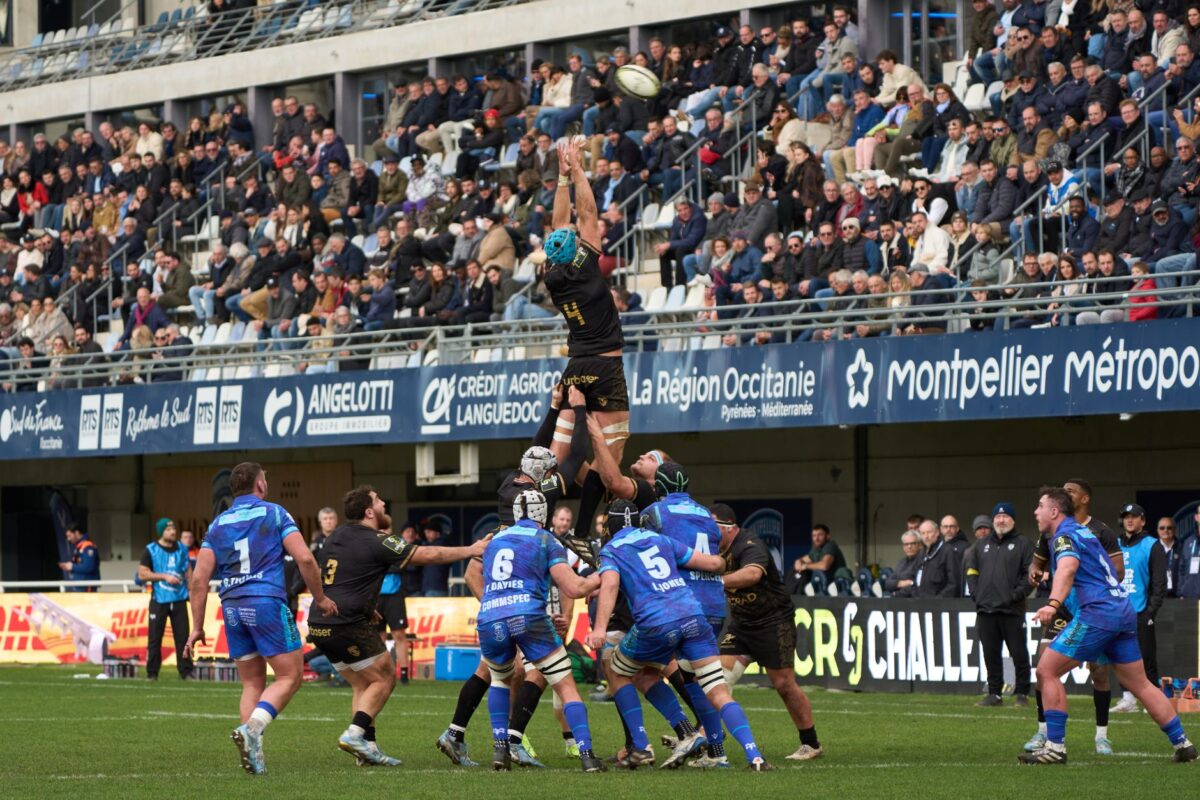
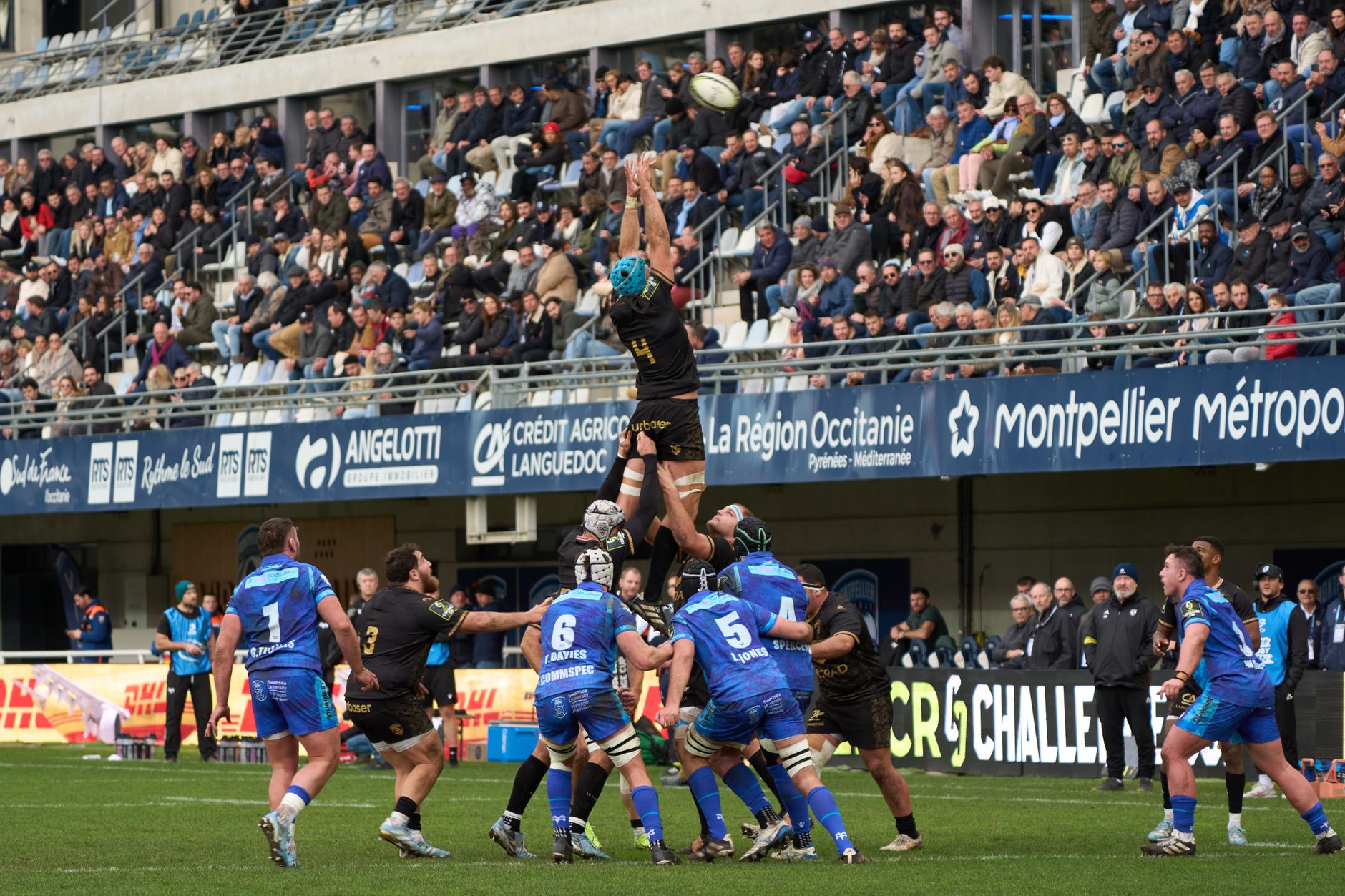
The best way to get mud out of rugby kit is not to reach straight for the washing machine. That is the mistake most people make. This guide walks you through every step — from the pitch to a clean kit — covering drying time, pre-treatment, wash temperature and stain removal for shirts, shorts and socks. Whether you are washing kit for one player or an entire squad, the same principles apply.

Step 1: Let the Mud Dry Completely

Resist the urge to rinse straight away. Wet mud spreads and pushes deeper into the fibres. Leave the kit in a ventilated area until the mud is fully dry and hard. This usually takes a few hours, depending on how soaked the kit is.

Once dry, take the garment outside and knock off as much mud as possible. Use a stiff brush or the back of a spoon to scrape away the crust. Work from the outside of the stain inward so you do not spread it further. Remove as much loose mud as you can before the kit goes anywhere near water.

Key rule: Never rub wet mud. Always let it dry first, then brush it off. Rubbing wet mud forces the clay particles deeper into the weave — making the stain much harder to shift later.

Step 2: Pre-Treat the Stain

Once the loose mud is gone, you will usually be left with a brown or orange stain in the fabric. This is where pre-treatment makes all the difference. Apply a biological liquid detergent or a dedicated stain remover directly to the affected area. Work it in gently with your fingers or a soft brush.

Leave it to soak for at least 30 minutes. For heavy staining on white or light-coloured kit, you can leave it longer — up to a few hours. Biological detergents contain enzymes that break down the organic compounds in mud and grass stains, making them far more effective than non-bio alternatives for sports kit.

For coloured kit, check the care label before using any stain remover. Some products can lift dye from synthetic fabrics. When in doubt, test on a hidden seam first.

Step 3: Wash at the Right Temperature

Check the care label on every garment before washing. Most modern rugby shirts and shorts are made from polyester or polyester blends. These fabrics generally wash well at 30°C to 40°C. Washing too hot can shrink elasticated waistbands, warp printed numbers and damage synthetic fibres over time.

Polyester shirts & shorts

30°C–40°C, gentle or synthetic cycle. Avoid fabric softener — it reduces moisture-wicking performance.

Cotton training kit

40°C is usually safe. Heavily soiled cotton can handle 60°C if the label allows.

Socks

40°C works for most rugby socks. Turn them inside out to protect grip patterns and stitching.

Gum shields & padding

Never machine wash. Rinse in cold water immediately after the game.

Use a full dose of biological detergent. For a heavily soiled squad wash, a pre-soak cycle helps loosen embedded mud before the main wash begins.

Step 4: Deal With Stubborn Grass and Blood Stains

Mud is rarely the only problem. Rugby kit often comes home with grass stains, blood and red clay ground into the stitching. Each needs a slightly different approach.

Grass stains respond well to biological detergent. Apply, leave and wash as above. A second wash is sometimes needed for heavy staining on light-coloured kit.

Blood stains should always be treated with cold water first. Hot water sets blood permanently. Rinse the stain under cold running water, then apply biological detergent and leave to soak before washing cold.

Red clay — common on pitches in South Wales and the West Country — can be stubborn. A pre-soak in cold water with biological detergent for a few hours before washing usually shifts it. Avoid bleach on coloured kit.

Step 5: Dry Correctly to Protect the Kit

Air drying is best for synthetic rugby kit. Lay shirts flat or hang them on a wide-shoulder hanger to keep their shape. Avoid tumble drying polyester kit on high heat — it can cause shrinkage and damage printed or embroidered crests.

Cotton training kit and towels can usually be tumble dried on a low setting. Check the care label. Never iron directly over printed numbers or badges — place a cloth between the iron and the garment if pressing is needed.

When One Kit Becomes Thirty: The Club Laundry Problem

Washing one set of kit at home is manageable. Washing kit for a full squad after a wet Saturday in February is a different matter entirely. Many rugby clubs, sports academies and schools across South Wales struggle with the sheer volume — especially mid-season when there is no time to dry kit between fixtures.

A commercial workwear and sports laundry service can handle bulk loads quickly, using industrial machines that remove mud more thoroughly than domestic washers. Turnaround is fast — CanDo offers a 24-hour service — so kit is back and ready well before the next game.

For businesses with staff uniforms that face similar challenges — outdoor workers, construction teams, food production staff — the same logic applies. A professional laundry removes staining that domestic machines leave behind, and it extends the life of the garment.

If your club, school or business is dealing with high-volume kit washing, get a quote from CanDo and find out how a regular collection and delivery service could save you hours every week.

Need Kit Washed Fast and Returned Ready to Wear?

CanDo handles bulk sports and workwear laundry with 24-hour turnaround. Serving clubs, schools and businesses across South Wales and the UK.

Get a Free Assessment →


Sports Kit
Rugby
Stain Removal
Workwear Laundry
Commercial Laundry
Categories
Hotels & Hospitality

Outsourcing Laundry in Hospitality: Cost, Quality and Compliance Benefits

May 2026

Outsourcing Laundry in Hospitality: Cost, Quality and Compliance Benefits

Managing linen in-house costs more than most hospitality operators realise. Here is what outsourcing your hospitality laundry services actually delivers — and how to know if it is the right move for your business.

Running a hotel, guesthouse, restaurant or care home means linen never stops moving. Beds need fresh sheets every day. Tables need crisp tablecloths every service. Staff uniforms need to look professional every shift. If you are managing all of that in-house, you already know the pressure: the cost of machines, the water and energy bills, the staffing headaches, and the constant risk that something comes back grey, shrunken or short.

Outsourcing laundry in the hospitality industry is not a new idea — but more operators are making the switch because the numbers make sense, the quality is better, and the compliance burden disappears. This guide covers what you actually get from a professional hospitality laundry service, how it compares to keeping it in-house, and what to look for when choosing a provider.

30–40%
Typical cost saving vs in-house laundry
24hr
Standard turnaround with a commercial provider
EN 14065
The hygiene standard professional laundries work to

Why Hospitality Operators Outsource Laundry

The most common reason operators make the switch is simple: it is cheaper. But cost is only part of the picture. Here are the main drivers we hear from hotels, restaurants and hospitality businesses that come to CanDo:

Staffing is getting harder. Laundry is one of the most labour-intensive back-of-house tasks. Hiring, training and retaining laundry staff — especially at the volume a busy hotel or restaurant needs — is a real challenge. Outsourcing eliminates that entirely.

Equipment is expensive and unpredictable. Industrial washers and dryers have a significant upfront cost and a high maintenance bill. When a machine breaks mid-week, the whole operation stalls. With a commercial laundry partner, that risk sits entirely with the provider.

Quality is hard to maintain at scale. Getting linen consistently clean, bright and pressed to a professional standard requires the right equipment, chemistry and process. Most in-house setups can not match what a dedicated commercial laundry delivers.

Compliance is becoming more complex. Hygiene standards for textiles in healthcare settings and hospitality are increasingly scrutinised. Professional laundries operate to HACCP-based textile standards (EN 14065), which is difficult and costly to replicate in-house.

The Real Cost of Running Laundry In-House

Most operators underestimate the true cost of in-house laundry because the costs are spread across multiple budget lines. To get the full picture, you need to add up:

Staff costs

Wages, NI, holiday pay, training and management time for laundry staff. This is usually the biggest line item.

Equipment and maintenance

Machine purchase or lease, repairs, servicing, and the cost of unexpected breakdowns.

Utilities

Water, gas and electricity for high-temperature washes. Commercial laundries benefit from economies of scale you can not match.

Linen replacement

In-house laundry accelerates linen wear. Poor chemistry and incorrect temperatures mean linen needs replacing more often.

When operators do this calculation honestly, the gap between in-house and outsourced is typically 30–40% in favour of outsourcing — and that is before factoring in management time and the cost of quality failures.

Quick tip: Ask your current laundry team to track the volume of linen processed each week. Then get a quote from a commercial provider for the same volume. The comparison is often eye-opening — even for operators who assumed in-house was the cheaper option.

Quality: What a Professional Hospitality Laundry Service Delivers

Quality is where outsourcing really earns its keep. A commercial laundry processes thousands of items per day, which means the process is tuned, tested and consistent. Here is what that looks like in practice:

Consistent results. Every item is processed to the same specification — correct temperature, correct detergent chemistry, correct finish. You do not get the variability you see when multiple staff members are loading machines in a utility room.

Proper pressing and finishing. Table linen, napkins and uniforms come back pressed and folded, ready to use. The kind of finish that impresses guests and keeps front-of-house running smoothly.

Hygiene you can evidence. EN 14065 is a HACCP-based management system for textile services. Laundries operating to this standard validate their processes with temperature logs and microbial testing. For hotels, restaurants and care homes, this is increasingly important for insurance, audit and regulatory purposes.

Linen that lasts longer. The right wash chemistry extends the life of your linen significantly. Professional laundries use controlled dosing systems and fabric-specific programmes. Your tablecloths and bedding stay bright and intact for longer, reducing replacement costs.

Compliance Benefits: Taking the Risk Off Your Plate

For healthcare settings, compliance is non-negotiable. HTM 01-04 sets out the disinfection standards for linen used in clinical environments, and meeting those standards in-house requires significant investment in validated equipment and process documentation. Outsourcing to a qualified provider transfers that compliance burden entirely.

For hospitality, the regulatory pressure is softer but growing. Environmental health inspectors increasingly look at linen hygiene practices, particularly in food-adjacent settings like restaurant kitchens and buffet areas. Having a commercial laundry partner with documented processes is a straightforward way to demonstrate due diligence.

There is also an environmental compliance angle. Commercial laundries operate large-scale water recycling systems, energy-efficient machinery and controlled chemical dosing — which reduces the water and energy consumption per kilogram of linen compared to most in-house setups. For businesses pursuing green certifications or carbon reduction targets, this matters.

What to Look for in a Hospitality Laundry Partner

Not all commercial laundries are the same. Before committing to a contract, it is worth checking a few things:

Turnaround time. A 24-hour turnaround is standard for most hospitality needs. If you are operating a high-volume hotel or restaurant, you need to know the provider can keep pace with demand — including during your busiest periods.

Collection and delivery. A good provider will work around your schedule, not theirs. Regular, reliable collection and delivery routes are essential. Missed collections or late deliveries can bring operations to a standstill.

Range of services. Ideally, your provider should handle everything: bed linen, towels, table linen, napkins, chef whites and uniforms. Consolidating with one supplier simplifies admin and often reduces cost.

Contract flexibility. Your volume fluctuates — seasonally and week to week. Look for a provider who can scale with you, not one who locks you into a rigid fixed-volume contract that penalises you for quieter periods.

Track record in your sector. A laundry that specialises in hospitality understands your pressures: presentation standards, turnaround expectations, and the cost of getting it wrong. Ask for references from similar businesses.

Is Outsourcing Right for Every Hospitality Business?

For the vast majority of hotels, restaurants and hospitality operators, outsourcing makes sense once you are processing a meaningful volume of linen each week. Very small operations — a ten-room B&B with low occupancy, for example — may find that a domestic machine and a few hours of staff time is still the practical choice.

But if you are running a busy hotel, a multi-site restaurant group, a care home or a contract catering operation, the maths almost always points in the same direction. The cost is lower, the quality is better, and the compliance headache goes away. The question is not really whether to outsource — it is who to outsource to.

Find Out What Outsourcing Would Save Your Business

CanDo works with hotels, restaurants and hospitality operators across the UK. Get a free, no-obligation assessment and find out exactly what a professional hospitality laundry service would cost you.

Get a Free Assessment →


Hospitality Laundry
Outsourcing
Hotel Laundry
Restaurant Linen
Commercial Laundry
Categories
Hotels & Hospitality

Common Housekeeping Mistakes (And How to Fix Them)

June 2026

Common Housekeeping Mistakes (And How to Fix Them)

Even experienced teams fall into the same traps. Here are the most frequent housekeeping mistakes — and practical fixes that make a real difference.

common housekeeping mistakes — CanDo Laundry Services

Housekeeping is one of the most demanding jobs in hospitality. Rooms need to turn fast, standards need to stay high, and guests notice everything. Common housekeeping mistakes are often the result of time pressure, poor systems, or habits that have crept in over time — not laziness or carelessness.

The good news is that most of these mistakes are fixable. In this guide we walk through the errors that come up most often, and what you can do about each one. Whether you’re a head housekeeper looking to tighten up the team, or a hotel manager reviewing your operation, there’s something here for you.

1. Rushing the Linen Check

One of the most common housekeeping mistakes is skipping a proper linen inspection before making the bed. A stained sheet or a towel with a small tear gets missed, the guest finds it, and suddenly you have a one-star review about cleanliness.

The fix is straightforward: build a quick visual check into the workflow, not as an optional extra. Hold each item up to the light before it goes on the bed. Any staining, thinning fabric, or damage should go straight to the discard pile — not back on the trolley.

Tip: If you’re finding stained or worn linen frequently, the issue may be upstream. A professional hotel laundry service uses commercial-grade processes that remove stains more effectively than in-house machines, and items are checked before they leave the facility.

2. Inconsistent Cleaning Order

Without a defined sequence, housekeepers work in different orders each time. One person starts with the bathroom, another starts with the bed, another starts by opening windows. The result is patchy quality — some things get missed, others get re-contaminated after they’ve been cleaned.

Bathrooms should always be cleaned last in the overall room sequence but tackled first within a section to allow surfaces time to dry. Bed-making should happen before vacuuming, so any crumbs or debris from the linens fall to the floor before you vacuum it. High surfaces before low surfaces — dust falls downward.

Tip: Put the sequence in writing. A laminated card in the trolley is more useful than verbal instruction. Consistency is what makes quality repeatable.

3. Overloading the Trolley

A trolley packed with too much linen looks efficient but causes problems. Linens get creased or tangled. Items drop on the floor and get used anyway. Towels that were folded cleanly at the start of the shift are crumpled by the third floor.

The right amount of linen on a trolley is enough for the section you’re working, plus one spare set. If the trolley needs refilling mid-section, that’s a linen supply issue — not a reason to overload.

Tip: If linen supply is the underlying problem (never enough, or too much time spent chasing clean stock), it’s worth reviewing whether your laundry operation is keeping up with demand. Erratic in-house laundry output is one of the most common causes of overloaded trolleys.

4. Ignoring High-Touch Points

Light switches, door handles, remote controls, charging cables, wardrobe rails — these are touched by every guest and cleaned by almost no one. A room can look spotless and still have high bacterial load on surfaces that were never wiped.

This isn’t a minor detail. Post-pandemic, guests are more aware of hygiene than ever. And in the UK, the Food Safety Act principles around surface hygiene apply to any accommodation serving food — but the standard is worth applying across the whole room.

Add high-touch points to the room checklist and assign them to a specific step in the cleaning sequence. Use a disinfectant wipe or a cloth with an appropriate product — not the same cloth you used on the bathroom.

Tip: Colour-coded cloths are a simple system that prevents cross-contamination between bathroom and bedroom surfaces. Red for bathroom, blue for bedroom is a widely used standard.

5. Skipping the Final Walkthrough

The final walkthrough is the last line of defence before a guest checks in. Many housekeepers skip it or rush it when time is short. That’s exactly when things get missed.

A proper walkthrough takes ninety seconds. Stand at the door and scan the room. Does it smell clean? Is the bed symmetrical? Are the toiletries aligned? Is there a bin liner in the bin? Is the toilet seat down? Is the window left as you found it?

These details matter more than you might think. Guests form their first impression in the first ten seconds. A room that looks carefully prepared signals quality.

Tip: Make the walkthrough non-negotiable, even under pressure. If the room isn’t right, it’s better to take ninety seconds now than to deal with a complaint later.

6. Poor Linen Rotation (Par Stock Mistakes)

Using the same linen pile repeatedly — always pulling from the top of the stack — means some items get used every day while others sit at the bottom and rarely go out. The frequently used items wear out faster. The stock at the bottom goes stale.

Proper linen rotation means first in, first out. Clean linen returned from laundry goes to the bottom of the pile. The stock on top is what went in last time — it should go out next. This extends the life of your linen across the whole set, not just the bottom layer.

If linen management feels complicated, a structured approach can help — we’ve covered this in detail in our guide to hotel linen hire and management.

Tip: Label shelves with dates if you have space. Even a simple “Week A / Week B” rotation system prevents premature wear on your linen investment.

7. Treating All Stains the Same

Coffee, blood, lipstick, and wine all need different treatments. The most common housekeeping mistake with stained linen is to run it through the wash on a hot cycle and hope for the best. Heat sets protein stains like blood permanently. Cold water dissolves them. A tannin stain like red wine needs enzymatic treatment, not just heat.

Train your team on basic stain categories and first-response actions. A quick cold rinse on a bloodstain, caught early, can save the item. Sending it straight to a hot wash often cannot.

Tip: If staining is a persistent problem — or if in-house washing isn’t removing stains reliably — a commercial laundry service has access to pre-treatment chemistry and process control that in-house machines can’t match.

Most common housekeeping mistakes come down to three things: no written system, time pressure cutting corners, and linen supply problems. Fix the system first — the speed will follow.

One Thing That Fixes Several Mistakes at Once

A number of the mistakes above — stained linen reaching guests, poor stock rotation, supply running short — are symptoms of the same root problem: the laundry operation isn’t keeping pace with the hotel’s needs.

Many UK hotels and B&Bs have reduced in-house laundry pressure by switching to a professional linen service. Clean, inspected, rotation-ready linen arrives when you need it. Your team focuses on the room, not the wash cycle.

If that sounds like it could help your operation, book a free laundry assessment with CanDo — we’ll look at your current setup and tell you honestly whether outsourcing makes sense.

Ready to take linen off your team’s plate?

CanDo Laundry Services supplies clean, inspected hotel linen on a reliable schedule — so your housekeeping team can focus on the room, not the wash.

Get a Free Assessment →


Housekeeping Tips
Hotel Operations
Linen Management
Hotel Laundry

Categories
Guides & Tips Hotels & Hospitality

Restaurant Laundry Service: Tablecloths, Napkins and Chef Uniforms — Handled

May 2026

Restaurant Laundry Service: Tablecloths, Napkins and Chef Uniforms — Handled

A professional restaurant laundry service collects your dirty linen, processes it to a commercial standard, and returns it clean and ready for service — on a schedule that fits your operation.

restaurant laundry service — CanDo Laundry Services

Running a restaurant means the linen never stops. Tablecloths need turning over between covers. Napkins pile up in the hundreds after every service. Chef whites and kitchen uniforms take a daily battering. And somewhere in the middle of all that, someone has to deal with the washing.

For most restaurants, doing it in-house is a hidden drain on time, space and money. A professional restaurant laundry service takes that burden off your hands completely — and in most cases, for less than you are spending now when you count everything honestly.

This guide covers what a restaurant laundry service includes, why outsourcing typically wins on cost, and what to look for when choosing a provider.

What Does a Restaurant Laundry Service Cover?

A specialist restaurant laundry service handles every textile that comes out of a food service operation. That includes the guest-facing items that represent your brand — tablecloths, napkins, chair covers — as well as the back-of-house items that keep your kitchen compliant and your team presentable.

Tablecloths

White, coloured, or printed — processed with commercial-grade stain removal to tackle red wine, oil, and food soiling that household machines cannot shift.

Napkins

High-volume, high-turnover. A good provider handles napkins in bulk without creasing, so they come back folded and service-ready.

Chef Whites & Kitchen Uniforms

High-temperature hygiene washing to food industry standards — removing grease, sauce, and cooking residue while preserving garment condition.

Front-of-House Uniforms

Server shirts, aprons, and branded garments — returned pressed and consistent so your team always looks the part.

Kitchen Cloths & Wipers

High-contact, high-contamination items processed separately to food hygiene standards.

Table Runners & Specialty Linen

Decorative or branded items handled with appropriate care — no shrinkage, no colour bleed, no surprises.

Tip: Make a full list of every linen item in your restaurant before you call a provider. Most restaurants are surprised how long the list is — and how much of it they have been sending to a domestic machine or paying staff overtime to wash on-site.

The Real Cost of Doing Restaurant Laundry In-House

Many restaurant operators assume in-house laundry is cheaper because they can see the machine cost and the detergent bill. What they rarely account for are the hidden costs that make in-house laundry consistently more expensive than it looks.

3–4hrs
Typical daily staff time spent on laundry in a 60-cover restaurant
20–30%
Faster linen wear when washed in semi-commercial machines vs. industrial
2x
More water used per kg in on-site laundry vs. commercial scale

Staff time is the biggest one. In a busy restaurant, every hour spent sorting, loading, unloading, folding and pressing laundry is an hour not spent on food prep, service quality or management. At a minimum wage of £12.21 per hour, that adds up fast across a week.

Equipment costs are rarely amortised properly. A decent semi-commercial washer-dryer costs £1,500–£4,000, needs servicing annually, and typically lasts 5–7 years with heavy use. That is before you factor in repairs, water and energy bills, and the space it occupies.

Linen lifespan is another underestimated factor. Semi-commercial machines run hotter and with less precise chemistry than industrial equipment. Tablecloths and chef whites washed in-house typically wear out 20–30% faster — meaning you are replacing stock more often than you need to.

The comparison that matters: Total in-house cost (staff time + equipment + utilities + faster linen replacement + space) versus an outsourced contract price per week. For most restaurants above 40 covers, outsourcing wins clearly.

Restaurant Linen Hire vs Bringing Your Own Stock

When you move to an outsourced restaurant laundry service, you have a choice: send your own linen for washing and return, or move to a full restaurant linen service where the provider supplies and maintains the stock as well.

Wash-and-Return

You own the linen. The provider collects, cleans and returns it on a set schedule. Lower weekly cost, but you remain responsible for stock levels, replacements and storage.

Restaurant Linen Hire

The provider owns and maintains the stock. You pay a weekly contract rate and receive clean, replaced linen each delivery. No capital cost, no replacement bills, no stock headaches.

For most independent restaurants and groups, restaurant linen hire — sometimes called restaurant tablecloth hire or restaurant linen rental — is the more cost-effective option once you remove the capital and replacement cost from your side. It also gives you predictable weekly costs, which is far easier to budget for than lumpy linen replacement spend.

The right model depends on your volume, your turnover frequency, and whether you have branded or bespoke linen you want to retain control over. A good provider will help you model both options before you commit.

Factor Buying & Laundering In-House Linen Hire Service
Upfront cost High — buy stock + equipment Low — no capital outlay
Staff time Significant — sorting, washing, pressing Zero — collected and returned
Replacement cost Ongoing — you replace all worn items Included — provider replaces write-offs
Flexibility Rigid — you own fixed stock Flexible — scale up/down as needed
Quality consistency Degrades over time Consistent — poor items replaced
Space needed Significant — laundry room required Minimal — just a holding area

Chef Uniforms: Why Food Industry Laundry Standards Matter

Chef whites and kitchen uniforms are not just about appearance — they are a hygiene compliance issue. Food businesses operating under HACCP principles need to demonstrate that workwear is cleaned to a standard that prevents cross-contamination. That means high-temperature washing, correct chemical dosing, and clean storage away from soiled items.

Most domestic and semi-commercial machines cannot reliably achieve the wash temperatures required to meet food industry hygiene standards. An industrial laundry processing chef whites at 60°C or above, with appropriate detergent chemistry, gives you a documented compliance trail that a kitchen washing machine in the corner cannot.

If you are ever subject to an Environmental Health inspection, being able to point to a contracted commercial workwear laundry service with documented hygiene processes is a much stronger position than explaining that uniforms go home with staff or get washed on-site in a domestic machine.

Tip: Ask any provider you are considering whether they hold EN 14065 (RABC) certification or equivalent for food industry textile hygiene. It confirms they operate a risk-managed hygiene system for the textiles they process.

What to Look for in a Restaurant Laundry Service Provider

Not every commercial laundry has the capacity, processes or sector experience to handle a restaurant account well. These are the things worth checking before you sign.

1. Collection and Delivery Schedule That Fits Your Operation

A restaurant turning 200 covers a night cannot afford to run out of tablecloths at 6pm. Check that the provider’s collection and delivery schedule works around your service times — not the other way around. Early morning delivery before lunch service is ideal. Ask what happens if a delivery is late.

2. Stain Removal Capability

Red wine, cooking oil, tomato-based sauces and coffee are the standard challenges. Ask specifically how the provider handles heavy staining — pre-treatment processes, enzyme detergents, and whether stained items are flagged to you rather than silently returned in the delivery. A provider experienced in restaurant linen will have a clear answer.

3. Separate Processing for Food Hygiene Items

Chef whites and kitchen cloths should be processed separately from general linen, at the appropriate temperatures for food industry compliance. If a provider is vague about this, it is a red flag.

4. Transparent Stock Tracking

You should know exactly how many items went out and how many came back. Good providers use numbered bags, collection notes, and a clear process for reporting discrepancies. For restaurants using linen hire, the provider should also give you visibility of stock condition and flag items approaching the end of their useful life.

5. Contract Terms That Give You Flexibility

Restaurant businesses are seasonal. You need more linen in December than in January. Look for a provider who can scale up for peak periods without penalising you during quieter months. Month-to-month or rolling quarterly terms are a good sign of a provider who is confident in their service.

Worth asking: Do they have other restaurant clients in your sector — fine dining, casual dining, pub restaurants? References from similar operators are the quickest way to verify that a provider can actually deliver what they promise at the volumes you need.

How CanDo’s Restaurant Laundry Service Works

CanDo provides restaurant laundry services for UK restaurants, from independent bistros to multi-site groups. The service is straightforward:

We agree a schedule. Collections timed around your service pattern — typically early morning deliveries so clean linen is ready before your first cover. Weekly or twice-weekly, depending on your volume.

We handle everything in the wash. Tablecloths, napkins, chef uniforms, front-of-house workwear, and kitchen linen — processed in our commercial facility with the right chemistry for each item type. Stained items are pre-treated before washing.

Clean linen comes back ready to use. Tablecloths pressed, napkins folded, uniforms returned per team member. Your FOH team sets up service. Nobody wastes time on laundry.

We manage the stock if you want us to. Under a linen hire arrangement, we supply and replace the stock. You pay a fixed weekly rate and never have to think about tablecloth replacement budgets again.

Whether you need a straightforward wash-and-return for an existing linen set, or a full restaurant linen hire and laundry service, CanDo has the capacity and processes to deliver it reliably.

Get a Free Quote for Your Restaurant Laundry

Tell us your cover count, your linen types, and how often you need collections — we’ll come back with a clear price and a proposed schedule. No obligation.

Get a Free Assessment →


Restaurant Laundry Service
Restaurant Linen Hire
Restaurant Tablecloth Hire
Chef Uniforms
Commercial Laundry
Food Industry Laundry

Categories
Local Services

Commercial Laundry Services in Birmingham: Hotels, Restaurants and Businesses Served

July 2026

Commercial Laundry Services in Birmingham: Hotels, Restaurants and Businesses Served

If your Birmingham business runs through linen, workwear or uniforms, a professional commercial laundry service takes the whole operation off your hands — reliably, week in, week out.

commercial laundry services Birmingham — CanDo Laundry Services

Birmingham is one of the UK’s busiest commercial cities. Thousands of hotels, restaurants, care homes and industrial businesses operate here — and most of them are dealing with the same problem: a constant flow of dirty linen, uniforms and workwear that needs washing to a professional standard, quickly, without disrupting the working day.

Commercial laundry services in Birmingham give businesses a way to hand that problem to someone else. A specialist provider collects your dirty items on a set schedule, washes them to the right standard, and returns them ready to use — without you needing to invest in machines, staff time, or space.

Here is what Birmingham businesses need to know when choosing a commercial laundry provider.

Who Uses Commercial Laundry Services in Birmingham?

The short answer: any business that regularly produces dirty linen, workwear or uniforms. Birmingham’s economy is diverse, and commercial laundry needs show up across many sectors.

Hotels and serviced apartments. Birmingham city centre has a large and growing hotel stock — from budget chains to independents and boutique properties. Every occupied room generates bed linen, towels and bathroom textiles that need laundering before the next guest arrives. A reliable hotel laundry service keeps room turnaround running on time without overloading your housekeeping operation.

Restaurants, cafes and catering businesses. Birmingham has a strong food and hospitality scene, from Michelin-recognised restaurants to large-scale catering operations serving conferences and events. Tablecloths, napkins, chef whites and kitchen cloths all need regular laundering to food hygiene standards. The restaurant laundry service side of commercial laundry is in consistent demand across the city.

Manufacturing, logistics and industrial businesses. Birmingham and the wider West Midlands has a significant manufacturing and industrial base. Workers in engineering, food production, automotive supply and logistics need workwear that stays clean, safe and compliant. A commercial workwear laundry service handles high volumes consistently — something an in-house solution rarely manages at scale.

Healthcare and care homes. Hospitals, GP practices, dental clinics and care homes across Birmingham need linen and uniforms washed to clinical hygiene standards. HTM 01-04 sets the benchmark for thermal disinfection of healthcare linen — a standard that commercial healthcare laundry specialists are equipped to meet.

What Commercial Laundry Services in Birmingham Actually Cover

The scope of a commercial laundry service depends on your sector, but most providers cover:

  • Bed linen and towels — sheets, pillowcases, duvet covers, bath and pool towels
  • Table linen — tablecloths, napkins, table runners, overlays
  • Kitchen and catering linen — oven cloths, glass cloths, tea towels, bar cloths
  • Staff uniforms and workwear — chef whites, aprons, front-of-house clothing, industrial workwear
  • Healthcare linen — patient gowns, scrubs, surgical textiles, staff uniforms

Some providers also offer linen hire alongside laundering — meaning they supply the stock as well as wash it. This suits businesses that do not want to own their own linen or want a guaranteed supply float regardless of occupancy levels.

How Commercial Laundry Collection Works

The process is designed to be low-friction. You agree a collection schedule with your provider — typically once or twice a week, depending on volume. Your dirty items are bagged and ready for collection from your back-of-house or loading bay. The driver collects, and clean items are returned on the agreed delivery run.

For most Birmingham businesses, turnaround is 24 to 48 hours. High-volume hotel and restaurant accounts often run on a same-day or next-morning schedule during busy periods.

The key advantage over in-house laundry is predictability. You know what you are paying, you know when items are coming back, and you are not dependent on one washing machine that breaks down on a Saturday morning at peak occupancy.

When evaluating providers, ask specifically about their Birmingham or West Midlands service area, their collection frequency, and what happens if you need an emergency wash outside the normal schedule. The answers tell you quickly whether a provider is set up to serve your operation properly or just promising flexibility they cannot deliver.

In-House Laundry vs Outsourcing: The Birmingham Business Case

Many Birmingham businesses start off managing laundry in-house. It feels like the cost-controlled option. Over time, the reality is more complicated.

Running It In-House

You carry the capital cost of machines, repair and replacement. Water, energy and detergent costs sit with you. Staff time spent on laundry is time not spent on core operations. Capacity becomes a problem when occupancy or covers spike.

Commercial Laundry Service

Fixed cost per item or per service — no capital outlay, no repair bills. Capacity scales with your needs. Your team focuses on the business. No machine downtime on busy periods.

For most medium to high-volume operations — a hotel with 50 or more rooms, a restaurant doing 100 covers a night, an industrial site with 30 or more workers in uniform — outsourcing typically works out comparable in direct cost and better overall when staff time, equipment reliability and consistency are factored in.

For smaller operations, the calculation is closer. But even for a small café or B&B, the time and headspace freed up by handing laundry to a specialist is often worth the spend.

What to Look for in a Birmingham Commercial Laundry Provider

Not every commercial laundry that serves Birmingham is the same. These are the things worth checking:

Service area confirmation. Make sure the provider actually serves your postcode. Some national providers have patchy West Midlands coverage. Ask specifically about collection routes in your area.

Hygiene standards. For food-sector and healthcare clients, ask about wash temperatures and compliance. EN 14065 (RABC system) is the European standard for laundry hygiene management. HTM 01-04 applies if you are in healthcare. A credible provider should be able to speak to these without prompting.

Turnaround reliability. A 48-hour turnaround is the standard benchmark. Ask what happens if an item comes back stained or if a collection is missed. How a provider handles problems tells you more than their sales pitch.

Contract terms. Commercial laundry contracts vary widely. Some are rolling monthly, others lock you in for 12 to 36 months. Understand the notice period and what happens if your volume changes significantly in either direction.

Communication. You want a provider where you can get a real person on the phone if something goes wrong. Local or regionally-focused services often have an edge here over large national operations.

Frequently Asked Questions

Do you offer commercial laundry services in Birmingham?

Yes. CanDo Laundry Services collects and returns linen, workwear and uniforms for hotels, restaurants, care homes and businesses across Birmingham and the wider West Midlands region.

What types of businesses use commercial laundry in Birmingham?

Hotels, serviced apartments, restaurants and cafes, care homes, hospitals, manufacturing businesses, and any workplace that uses uniforms, workwear or linen. Birmingham’s large hospitality and industrial base means commercial laundry demand is consistently high across the city.

How does a commercial laundry collection work in Birmingham?

You agree a regular collection day with CanDo. Your dirty linen or workwear is bagged and collected from your premises. It is washed, processed and returned clean on a schedule that fits your operation — typically within 24 to 48 hours.

Get a Free Laundry Assessment for Your Birmingham Business

CanDo serves hotels, restaurants, care homes and industrial businesses across Birmingham and the West Midlands. Tell us what you need — we’ll put together a service and pricing proposal.

Get a Free Assessment →

Or get a free quote online →


Commercial Laundry
Birmingham
West Midlands
Hotel Laundry
Workwear
Local Services

Categories
Guides & Tips

5 Signs You Should Outsource Your Business Laundry

June 2026

5 Signs You Should Outsource Your Business Laundry

If your laundry operation is quietly draining time, money, or confidence — here are the five clearest signals it’s time to hand it over to a specialist.

outsource business laundry — CanDo Laundry Services

Most businesses don’t decide to outsource their laundry overnight. It’s usually a slow build — a broken machine here, a compliance worry there, a member of staff spending half their morning counting tablecloths instead of doing their actual job. Before long, you’re running an informal laundry operation that nobody planned for and nobody particularly wants.

If any of that sounds familiar, read on. Here are five signs your business laundry should be handled by a commercial laundry service — not you.

Sign 1: Your Staff Are Spending Too Much Time on Laundry

This is the most common one. Think about how much time your team actually spends on linen and laundry — washing, drying, sorting, folding, storing, chasing suppliers. In a hotel, that might be housekeeping staff running loads between cleans. In a restaurant, it could be a manager counting napkins at 7am before service.

That time has a cost. And it’s not just the wage — it’s the opportunity cost. Every hour spent on laundry is an hour not spent on guests, customers, or the things that actually grow your business.

The tip: Add up a rough weekly estimate of time spent on laundry tasks across your team. If it comes to more than a few hours, a restaurant laundry service or hotel linen contract will almost certainly save you money once you account for real labour costs.

Sign 2: You’ve Had a Compliance Concern — or You’re Not Sure You’d Pass an Inspection

Laundry hygiene isn’t just about cleanliness. In food service environments, the Food Safety Act sets out clear requirements for kitchen linen, chef whites, and anything that comes into contact with food. In healthcare and care homes, HTM 01-04 governs how clinical textiles must be thermally disinfected. In hotels, guests trust that their bedding and towels are genuinely clean — not just visually white.

In-house laundry operations often fall short on temperature consistency, detergent dosing, or separation of clean and dirty loads. These aren’t just housekeeping issues — they’re audit risks.

Commercial laundry providers operate to EN 14065, the European standard for hygiene-assured laundry processing. That’s a documented, auditable standard your in-house operation probably can’t match without significant investment.

The tip: If you’ve ever had a concern raised — by a guest, an auditor, or your own team — that’s a signal worth acting on before it becomes a formal complaint.

Sign 3: Your Linen Is Wearing Out Faster Than It Should

Commercial washing machines process linen more gently and consistently than domestic or semi-commercial equipment. They use precise water temperatures, correct detergent volumes, and proper handling processes that preserve fabric integrity over time.

If you’re replacing tablecloths, towels, or uniforms more frequently than expected — if things are greying, pilling, or tearing — your current wash process may be the culprit. Over-washing at the wrong temperature, using the wrong detergents, or simply overloading machines all accelerate linen deterioration.

A good hotel laundry service or commercial linen provider extends linen life, which reduces replacement costs over time. Some businesses find that moving to a managed linen hire model removes the replacement cost entirely — the provider owns the stock and absorbs the wear.

The tip: Track how often you’re replacing key linen items. If it’s more than once every 12–18 months for towels or tablecloths, the replacement cost alone may justify switching to a professional service.

Sign 4: You’re Carrying Too Much (or Too Little) Stock

Managing par stock — the right number of linen sets to cover occupancy, service, and turnaround time — is genuinely difficult. Too little and you’re caught short during a busy period. Too much and you’ve got capital tied up in linen sitting in a cupboard.

Most businesses that do their own laundry overstock as a buffer against unpredictable turnaround times. A hotel might carry three full linen sets per room rather than two, because they can’t guarantee 24-hour washing and return. A restaurant might keep double the napkin count it actually needs because they can’t trust their own turnround.

With a managed commercial laundry contract, turnaround is guaranteed — typically collected one day, returned the next. That reliability lets you run a tighter, cheaper par stock. Less linen owned, less storage space needed, less cash locked up.

The tip: If your linen cupboard is overflowing, or you’re regularly running short, that’s a par stock problem — and it’s usually a symptom of an unreliable in-house wash cycle.

Sign 5: Your Costs Are Opaque — or Growing Without Explanation

When laundry is done in-house, the true cost is rarely visible on a single line in the P&L. It’s spread across wages, utilities, machine maintenance, detergent, linen replacement, and storage. Nobody adds it all up.

When businesses do add it all up — properly, including a fair allocation of staff time and energy — the number is usually higher than expected. For a 50-room hotel running its own laundry, a rough all-in cost estimate typically runs well above what a commercial laundry contract would charge for the same volume. The difference isn’t just money: it’s predictability. A fixed contract means a fixed monthly cost you can actually budget against.

If your laundry costs are growing and you can’t easily explain why, that’s a sign the operation has drifted out of control. An external provider gives you a clear price per item, per collection, per service — no surprises.

The tip: Ask your finance team to pull together the real cost of laundry for one month — all-in, including staff time at their hourly rate. Then compare it against a quote from a commercial provider. The gap is often striking.

Not sure if outsourcing makes sense for your operation? CanDo offers a free laundry assessment — we’ll look at your current setup and give you an honest view of where you’d save and where you wouldn’t. No obligation, no hard sell.

What Happens When You Outsource Your Business Laundry

The process is simpler than most people expect. You agree a collection and delivery schedule, CanDo handles washing, drying, finishing, and return. You get clean linen back when you need it, at a consistent standard, without the management overhead.

Depending on your sector, CanDo can manage hotel linen and towels, restaurant tablecloths and napkins, workwear and staff uniforms, and healthcare textiles. Contracts are flexible — you’re not locked in to a fixed volume, and you can scale up or down with your business.

If you recognise one or more of the signs above in your own operation, the next step is a conversation. CanDo will assess your current laundry setup, give you a clear breakdown of likely costs, and help you decide whether outsourcing genuinely makes sense for you.

Ready to See If Outsourcing Makes Sense for Your Business?

Get a free assessment from CanDo. We’ll review your laundry operation and give you a straight answer — no obligation, no pressure.

Get a Free Assessment →


Commercial Laundry
Outsourcing
Business Laundry
Cost Savings
Linen Management

Categories
Hotels & Hospitality

Hotel Laundry Service: Why Outsourcing Linen and Towels Saves Hotels Money

July 2026

Hotel Laundry Service: Why Outsourcing Linen and Towels Saves Hotels Money

Running laundry in-house looks cheaper on paper. Once you add up machines, energy, water, repairs, and staff time, the picture changes. Here is an honest breakdown — and why most hotels come out ahead by outsourcing.

hotel laundry service — CanDo Laundry Services

A hotel laundry service collects your dirty bed linen, towels, and uniforms on a regular schedule, processes them at a commercial facility, and delivers them back clean, folded, and ready to use. That is the simple version. The part most hotel GMs care about is what it costs — and whether it actually makes sense compared to doing it in-house.

The honest answer is: for most hotels with 20 or more rooms, outsourcing a hotel laundry service works out comparable or cheaper once the real costs of in-house laundering are properly tallied. This guide walks through that calculation and explains what to look for when choosing a provider.

What a Hotel Laundry Service Actually Covers

A hotel laundry service typically covers every textile your operation generates on a daily basis:

Bed Linen

Fitted sheets, flat sheets, pillowcases, and duvet covers. These go through the hardest wear and need reliable turnaround — a missed delivery on a high-occupancy day causes real operational problems. A good commercial provider has the capacity and the routes to keep up even during peak periods.

Towels and Bathroom Linen

Bath towels, hand towels, face cloths, bath mats. Guests notice towel quality more acutely than almost any other linen item. Repeated over-washing in an under-maintained in-house machine accelerates yellowing and softness loss. Commercial laundering — with correct water temperature, pH-controlled detergents, and proper drying cycles — keeps towels whiter and softer for longer.

Staff Uniforms and F&B Linen

Front-of-house uniforms, chef whites, aprons, table linen for your restaurant or bar. If you run a restaurant laundry service alongside your hotel operation, a provider who handles both means a single contract, a single collection, and one invoice.

Spa and Pool Towels

High-volume, high-turnover items for hotels with leisure facilities. These often have specific colour-coding or branding requirements that a specialist hotel laundry provider can accommodate.

In-House Hotel Laundry vs Outsourcing: The Real Cost Comparison

The instinct to do laundry in-house is understandable — it feels like control, and on a per-wash basis it can seem cheaper. The issue is that the per-wash figure rarely accounts for everything.

In-House Costs to Factor In

Capital cost of machines (commercial washers and tumble dryers). Installation and plumbing. Energy and water bills. Maintenance contracts and breakdowns. Detergents and consumables. Staff wages and management time. Linen replacement when machines cause damage.

Outsourced Hotel Laundry Service

Fixed cost per kilogram or per item. No machine capital outlay. No maintenance or breakdown risk. No energy or water overhead on your bill. Staff time freed up for guest-facing work. Linen replacement managed by the provider (if on a linen hire contract).

A 50-room hotel running at 70% occupancy will process several hundred kilograms of linen per week. That volume requires at least two commercial-grade washers and matching dryers — a capital investment of several thousand pounds before you have washed a single sheet. Add ongoing energy costs, a maintenance contract, and the wages of the staff running the laundry room, and the per-item cost rises quickly.

The moment a machine breaks down mid-week during high occupancy, the cost of in-house laundry becomes very visible very fast. A commercial hotel laundry service provider absorbs that risk entirely — it is their problem, not yours.

This is not to say outsourcing is always the right answer — smaller properties with predictable low volume can sometimes run a laundry room economically. But for hotels above 20–30 rooms, the business case for a professional hotel laundry service is usually compelling once the full cost picture is in front of you.

Hotel Laundry Service Hygiene Standards: What You Should Expect

Linen hygiene is not just about clean-looking sheets. In a hotel environment, poorly laundered linen can carry allergens, bacteria, and residual detergents that affect guest health and — if complaints reach environmental health — your licence.

EN 14065 — The RABC Standard

EN 14065 is the European standard for laundry hygiene management. It uses a RABC (Risk Analysis and Biocontamination Control) system — essentially a documented process for identifying and controlling contamination risks throughout the laundry cycle. A commercial hotel laundry provider operating to EN 14065 can demonstrate, through auditable records, that your linen is being processed hygienically. Ask any prospective provider whether they hold EN 14065 accreditation and what their monitoring process is.

Temperature and Chemical Control

Commercial facilities control wash temperatures precisely. Cotton bed linen and towels are typically washed at 60°C or above to ensure effective sanitisation. In-house hotel laundry rooms often run at lower temperatures to protect machines or cut energy costs — which saves money short-term but compromises hygiene. A commercial laundry provider does not make that trade-off.

COSHH-Compliant Detergent Use

Commercial detergents are concentrated and hazardous. COSHH (Control of Substances Hazardous to Health) regulations require proper storage, handling, and dosing controls. A professional hotel laundry service manages all of this as standard — your staff do not need to handle industrial chemicals at all.

Linen Hire vs Laundry-Only: Which Hotel Contract Works Best?

When you approach a hotel laundry service provider, you will typically be offered two types of contract:

Laundry-Only Contract

You own your linen stock. The provider collects, washes, and returns it. Lower ongoing cost. You manage par stock levels and replacement. Best for hotels that already have a good linen inventory.

Linen Hire with Laundry

The provider owns the linen and supplies it to you as part of the service. You pay per item or per service. No capital outlay on stock. Provider handles replacement when items wear out. Best for new openings or hotels wanting zero stock management.

Many hotels use a hybrid approach: linen hire for bed linen and bath towels (where consistent presentation matters most to guests), and a laundry-only contract for staff uniforms and kitchen textiles they already own. If you want more detail on the hire side, our guide to commercial linen hire covers the full picture.

What to Look for in a Hotel Laundry Service Provider

Not all commercial laundry companies have the infrastructure or track record to service a busy hotel reliably. Here is what to check before signing:

Turnaround guarantee. Standard is 48 hours. For hotels with tight room turnarounds, next-morning delivery matters. Get the commitment in writing — including what happens if a collection is missed or a delivery is late.

Collection frequency. A 50-room hotel at peak occupancy cannot wait three days between collections. Confirm collection days and minimum frequency upfront. Some providers run daily routes in high-density areas; others are weekly.

EN 14065 accreditation. Ask directly. A reputable hotel laundry service provider will answer without hesitation. If they cannot confirm their hygiene standard, move on.

Linen quality for hire contracts. If you are going onto a linen hire arrangement, ask to see samples. Thread count, weight, and finish affect how linen looks and feels — and guests absolutely notice. A provider who cannot tell you the specification of their stock is one to approach with caution.

Contract flexibility. Hotel occupancy is seasonal. Your laundry volume in August is not the same as in January. Check whether the contract adjusts for volume changes and what the minimum commitment and notice period are.

References from comparable properties. Ask for hotel clients of a similar size and type. A provider with a track record in hospitality understands your specific requirements — turnaround pressures, linen presentation standards, and the cost of getting it wrong — in a way a general commercial laundry might not.

Frequently Asked Questions

What does a hotel laundry service include?

A hotel laundry service covers regular collection, professional laundering, and return of bed linen, towels, bathroom textiles, staff uniforms, and kitchen linen. Most providers offer either a laundry-only contract (you own the linen) or a linen hire arrangement where the provider owns the stock and supplies it to you.

Is it cheaper to outsource hotel laundry or do it in-house?

For most hotels, outsourcing works out comparable or cheaper once machine capital costs, energy, water, maintenance, and staff time are properly accounted for. In-house laundry often appears cheaper until those hidden costs are added up. Hotels with 30 or more rooms typically find outsourcing saves both money and management time.

What hygiene standards does a hotel laundry service operate to?

A reputable commercial hotel laundry service operates to EN 14065 — the European standard for laundry hygiene management using the RABC system. This ensures linen is processed at verified temperatures with documented contamination controls.

How quickly does a hotel laundry service return clean linen?

Standard turnaround is 48 hours from collection. High-volume accounts and premium contracts can often secure 24-hour or next-morning delivery. Confirm turnaround times in writing before signing any contract.

Get a Free Quote for Your Hotel Laundry

CanDo provides hotel laundry services and linen hire for hotels, B&Bs, and serviced apartments across the UK. Tell us your room count and linen types — we will come back with an honest cost comparison.

Get a Free Quote →


Hotel Laundry
Linen Service
Hospitality
Linen Hire
Commercial Laundry

Categories
Guides & Tips Hotels & Hospitality

Restaurant Linen Hire: What It Costs and What to Expect

August 2026

Restaurant Linen Hire: What It Costs and What to Expect

Restaurant linen hire gives you fresh tablecloths, napkins and chef whites on a predictable weekly schedule — without the laundry overhead. Here is exactly what is involved.

restaurant linen hire — CanDo Laundry Services

If you run a restaurant, you already know the linen problem. Tablecloths get stained. Napkins disappear. Chef whites need washing after every shift. Doing it in-house eats into staff time, runs up energy bills, and still produces inconsistent results. Restaurant linen hire is the straightforward alternative — a commercial laundry service collects your dirty linen, washes it to professional standards, and delivers it back fresh and pressed on a regular schedule.

This guide covers what is included in a typical restaurant linen hire contract, how pricing works, and what to look for when choosing a provider.

What Does Restaurant Linen Hire Include?

A full restaurant linen hire service covers everything on the table and in the kitchen. Most providers supply and launder the following:

Table Linen

Tablecloths in standard sizes (60″, 70″, 90″ round or rectangular), lap napkins, and cloth serviettes. Available in white, ivory, or coloured stock depending on your brand.

Kitchen and Staff Linen

Chef whites, aprons (bib and waist), kitchen cloths, and oven gloves. These are washed separately from table linen to comply with food hygiene requirements.

Bar and Service Items

Bar towels, glass cloths, and sommelier aprons. High-turnover items that benefit most from a reliable weekly collection and delivery cycle.

Delivery and Collection

Dirty linen is collected and clean stock delivered on a fixed schedule — usually once or twice a week. Turnaround is typically 24–48 hours.

The key difference between linen hire and a plain laundry service is stock ownership. With hire, the provider owns the linen and is responsible for replacement when items wear out. You pay a weekly rate; you do not carry the capital cost of maintaining a full linen inventory.

Restaurant Linen Hire Costs: How Pricing Works

Pricing for restaurant linen hire is almost always quoted per item per week, based on your weekly volume. The main factors that affect your rate:

  • Item type — tablecloths cost more per unit than napkins or cloths
  • Weekly volume — higher volume means a lower per-item rate
  • Contract length — longer commitments (typically 12–24 months) reduce the weekly rate
  • Delivery frequency — twice-weekly collections cost more than once-weekly
  • Linen quality tier — premium Egyptian cotton costs more than standard polycotton

On pricing: Reputable providers will not quote a figure without knowing your cover count and weekly linen volume. If a provider gives you an off-the-shelf price before asking about your operation, treat it as an estimate only. Request a site visit or detailed volume assessment for an accurate weekly cost.

The honest comparison most restaurant owners want is hire versus doing it in-house. When you add up the cost of a commercial washing machine, dryer, detergent, staff time, energy, and replacing worn or damaged items, hire is almost always more cost-effective once you reach a consistent weekly volume. It is also more predictable — one fixed line on your P&L, not a variable spread across utilities, staffing, and replacements.

What to Look for in a Restaurant Linen Hire Provider

Not all linen hire services are equal. Here are the things that actually matter when you are comparing providers:

Hygiene standards

Your table linen touches food and your guests. The Food Safety Act requires that kitchen linen is laundered to standards that prevent cross-contamination. Ask whether the provider separates kitchen linen from table linen in their wash process, and whether they operate under EN 14065 — the European standard for laundry hygiene management (RABC system). A provider who cannot answer that question is not one you want handling your chef whites.

Reliability of the delivery schedule

A missed delivery on a Friday afternoon before a busy weekend service is a serious problem. Ask about their missed-delivery rate and what their contingency is. The best providers have a named account manager and a direct phone line — not just a contact form.

Flexibility on volume

Restaurants are seasonal. A provider who locks you into a fixed weekly volume regardless of covers is not built for hospitality. Look for a contract that allows you to scale up in summer and scale back in January without penalty.

Stock ownership and replacement

Clarify upfront who replaces worn or damaged linen. With a hire contract, the provider should replace items that wear out through normal laundering. You should not be invoiced for replacement of items that have simply reached end of life.

Restaurant Linen Hire vs Tablecloth Hire: What Is the Difference?

Restaurant tablecloth hire refers specifically to hiring tablecloths rather than a full linen package. Some providers offer tablecloth-only hire if you already handle napkins and kitchen linen separately. This can be useful for venues that have existing arrangements for staff uniforms but want to outsource the table dressing side.

A full linen hire contract covering tablecloths, napkins, and kitchen linen is typically better value per item than hiring tablecloths alone — providers prefer to give you a single service rather than managing a partial contract. If you are already outsourcing your restaurant laundry service for kitchen and staff items, bundling table linen into the same contract usually reduces your overall weekly rate.

How the Changeover Process Works

The practical side of switching to linen hire is simpler than most restaurant owners expect. A typical onboarding process looks like this:

  1. Volume assessment — the provider works out your weekly linen requirement based on cover count, service days, and item types
  2. Par stock delivery — they deliver an initial stock of clean linen before your first service (usually two weeks’ worth, so you always have a full set in reserve)
  3. First collection — dirty linen is bagged and left in an agreed location; the driver collects and leaves fresh stock in one visit
  4. Ongoing schedule — collections and deliveries run on your agreed days, with no action needed from your team beyond bagging the dirty items

For hotels and larger hospitality venues managing multiple linen types, the same structured approach applies. If you are also looking at hotel laundry service for bedding and towels, a single provider covering both reduces admin and often improves your overall rate.

Tip: Ask your provider to supply your linen in clearly colour-coded bags — table linen in one bag, kitchen linen in another. It takes 30 seconds to bag up at the end of service and prevents any mix-up in the wash.

Common Questions About Restaurant Linen Hire

Do I need a minimum weekly volume?

Most providers have a minimum weekly order — typically around 50–100 items — to make the collection route economical. If you are a small venue with a low cover count, ask whether they can accommodate you on a shared route with other local venues. Some do; some do not.

What happens if linen goes missing?

Linen loss is a fact of life in restaurants — napkins in particular have a habit of leaving the building in coat pockets. Most providers factor a small loss rate into the contract. Above a certain threshold, you may be charged for replacements. Clarify this before you sign.

Can I use my own tablecloths?

Yes — some restaurants own their own linen but outsource the laundering. This is a laundry-only service rather than a hire service, and it is priced differently (per item washed rather than per item supplied). It works well for venues with bespoke or branded table linen that cannot be replicated by a standard hire stock.

Get a Quote for Restaurant Linen Hire

CanDo Laundry Services provides restaurant linen hire and laundry across the UK. Tell us your cover count and service days and we will put together a weekly rate that works for your operation.

Get a Free Assessment →


Restaurant Linen
Linen Hire
Tablecloth Hire
Restaurant Laundry
Commercial Laundry

Categories
Workwear & Uniforms

Food Industry Workwear Rental: What UK Businesses Need to Know

August 2026

Food Industry Workwear Rental: What UK Businesses Need to Know

Food industry workwear rental takes uniform management off your plate — so you can focus on running your operation, not chasing down clean chef whites.

food industry workwear rental — CanDo Laundry Services

If you run a kitchen, a food manufacturing facility, or a catering operation, you already know the uniform problem. Staff need clean, hygienic workwear every shift. Someone has to wash it, check it, and make sure the right sizes are available. That someone is usually you — or a member of your team who has better things to do.

Food industry workwear rental is the straightforward alternative. You pay a regular fee; a professional laundry service handles the cleaning, repairs, and delivery. This guide covers what’s included, who it suits, and what to look for when choosing a provider.

What Does Food Industry Workwear Rental Include?

A workwear rental service for the food sector typically covers the full uniform lifecycle — not just the washing. Most packages include:

Garment supply

Chef whites, kitchen trousers, aprons, hi-vis vests, food-safe overalls, and hygiene caps — supplied and replaced as needed.

Regular laundering

Collected, professionally washed to food hygiene standards, and returned on a fixed schedule — daily, weekly, or as required.

Repair and replacement

Worn or damaged garments are repaired or swapped out. You’re not left with a team member in a torn apron because no spare was available.

Stock management

The provider tracks garment quantities per person. When you take on new staff or someone changes role, the right workwear is sorted.

The key difference from a standard workwear laundry service is that rental includes the garments themselves — you’re not buying uniforms upfront and sending them out for cleaning. Everything is bundled into one regular cost.

Why Food Businesses Rent Workwear Rather Than Buying It

Buying uniforms looks cheaper on paper. Buy a set of chef whites, wash them in-house, done. In practice, the real costs stack up fast.

First, there’s the upfront spend. Equipping a kitchen team with quality workwear — chef jackets, trousers, aprons, non-slip shoes — adds up to a meaningful budget per person. Then there’s turnover: staff leave, sizes change, and garments wear out faster than expected in a commercial kitchen environment.

In-house laundering adds its own overhead. Commercial washers, detergent costs, staff time spent loading and folding, energy bills — these are real costs that don’t appear on the uniform invoice but absolutely appear on the P&L.

Food businesses also face a compliance angle that most other sectors don’t. The Food Safety Act requires food handlers to wear clean, hygienic clothing. COSHH regulations govern the detergents used in any workplace washing. A professional laundry service handles both. Your in-house process may not.

Tip: When comparing rental vs. buying, factor in the total cost — garments, washing, drying, staff time, and replacements. The gap between the two options is usually smaller than it first appears, and rental often wins once staff time is included.

Food Industry Workwear Rental: Which Sectors Use It?

Food industry workwear rental isn’t just for Michelin-starred kitchens. It’s used across a wide range of food-related operations:

Restaurants and catering: Front-of-house and kitchen teams both need consistent, clean presentation. High-volume restaurants running two sittings a day can’t afford a laundry bottleneck.

Food manufacturing: Production line workers in food processing facilities often need colour-coded overalls, hygiene hairnets, and PPE that must be laundered to prevent cross-contamination. Standards here are rigorous and rental providers who understand the sector are worth seeking out.

Contract catering: Companies running canteen and hospitality services across multiple sites need a uniform programme that scales. Rental with centralised management removes the per-site admin burden.

Bakeries and delis: Smaller food businesses often overlook workwear rental, assuming it’s only for large operations. It isn’t. Even a team of five benefits from the consistency and hygiene assurance a rental service provides.

What to Look for in a Food Industry Workwear Rental Provider

Not all laundry providers are equipped to handle food industry workwear correctly. Here’s what to check before signing a contract:

Hygiene certifications: Ask whether the provider operates to EN 14065 — the European standard for laundry processing of textiles, which requires a documented RABC (Risk Analysis and Biocontamination Control) system. This matters in the food sector where cross-contamination is a genuine risk.

Turnaround times: A 48-hour or 24-hour turnaround is standard for kitchen environments. If a provider can’t commit to a reliable schedule, your team will run short of clean uniforms.

Garment tracking: Good providers track garments per employee. This means you always know what’s been collected, what’s in the wash, and what’s been delivered — useful if a garment goes missing or a new starter needs to be kitted out quickly.

Flexibility: Seasonal businesses — hospitality venues, event caterers — need a provider willing to flex contract volumes up and down. Ask about minimum terms and how easy it is to add or remove employees.

CanDo’s workwear laundry service works with food businesses across the UK, handling everything from chef jackets to food-safe overalls. If you’re also looking at kitchen linen — cloths, aprons, tea towels — our restaurant laundry service covers those too, often in the same collection.

How to Switch from In-House Washing to a Rental Service

The transition is simpler than most businesses expect. A good provider will handle the changeover:

Step 1 — Audit your current workwear. Count garments per person, note sizes, and identify anything that’s worn out and needs replacing. This takes an hour at most.

Step 2 — Agree a par stock level. Most rental services work on a three-par system — one set being worn, one in the wash, one spare. Your provider will recommend the right par for your team size and shift pattern.

Step 3 — Set a collection schedule. Decide on frequency: daily collection works for high-volume kitchens; weekly is fine for smaller operations. Build the collection window into your delivery schedule so it doesn’t disrupt service.

Step 4 — Hand over and monitor. After the first few weeks, check that turnaround is meeting expectations and garment quantities are right. Minor adjustments in the first month are normal.

Ready to Take Uniform Management Off Your Plate?

CanDo provides food industry workwear rental and laundering for kitchens, food manufacturers, and catering operations across the UK. Get a free assessment and see what it would cost for your team.

Get a Free Assessment →


Workwear
Food Industry
Workwear Rental
Uniform Laundry
Kitchen Uniforms

👋 Need help finding the right laundry service for your business?

Jade
Jade
CanDo Support • Online

Hi there! Before we chat, tell us a little about yourself.

Prefer to speak with someone?