
CanDo Laundry Services

Categories
Healthcare

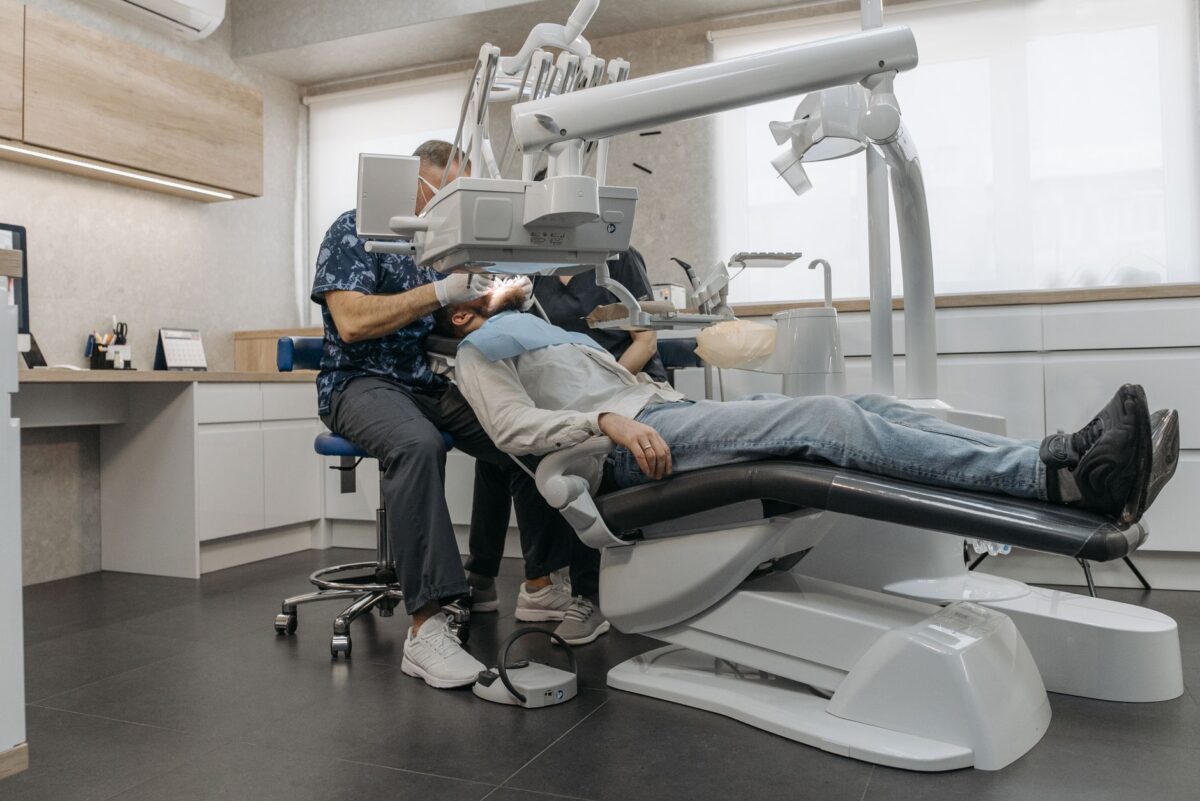
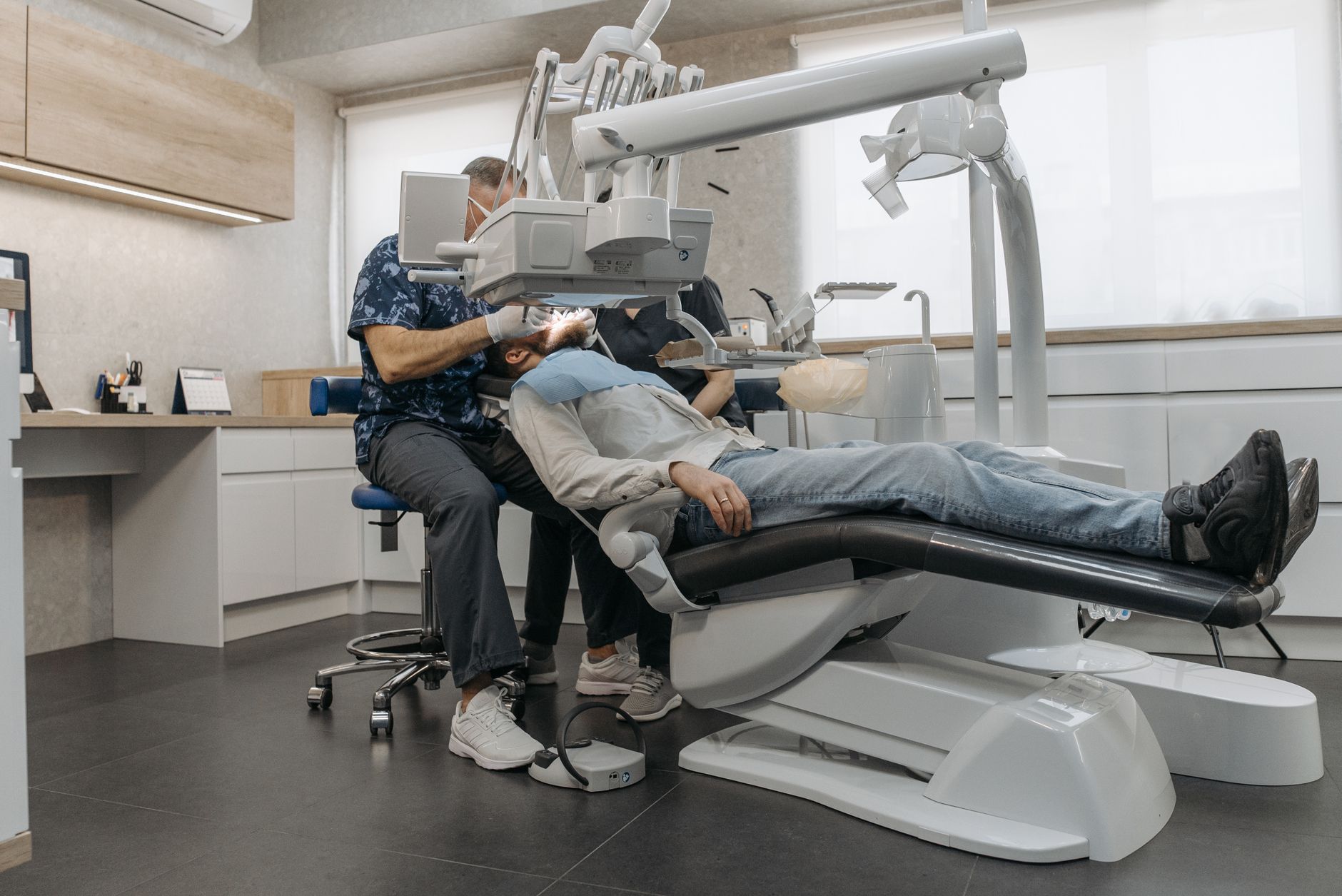
Can Dental and Vet Practice Staff Wash Their Uniforms at Home?

September 2026

Can Dental and Vet Practice Staff Wash Their Uniforms at Home?

A practice manager’s guide to what the guidance actually says, and where it leaves you exposed

dental and vet practice uniform laundry — CanDo Laundry Services

You’ve had a CQC visit, or a new nurse asked why she’s taking her tunic home in a carrier bag, and now you’re not sure your practice’s laundry arrangement would stand up to scrutiny. Dental and veterinary practices sit in an odd spot — smaller than a hospital, but handling blood, saliva, animal fluids and sharps waste every day. Here’s what the guidance actually says, and where home washing leaves you exposed.

There’s no single law that bans it outright

No UK statute says “dental nurses may not wash tunics at home.” What exists instead is a web of expectations from the bodies that inspect you: the CQC for dental practices in England, the RCVS Practice Standards Scheme for vets, and your own infection control policy, which an inspector will ask to see evidence you actually follow.

Those expectations lean hard against home laundering. CQC inspectors look for a documented, traceable process for handling contaminated uniforms. A carrier bag on the back seat of someone’s car doesn’t give you that. If a nurse or vet tech is off sick, or leaves, that documentation gap becomes very hard to explain after the fact.

Why a domestic machine can’t do what a commercial one does

The practical problem is heat and hold time, not detergent. Thermal disinfection relies on reaching a set temperature and holding it for long enough to kill pathogens — commercial healthcare laundry typically works to something close to the standard NHS trusts use, Health Technical Memorandum 01-04, which sets out validated wash cycles for exactly this reason.

Most domestic washing machines don’t reliably hit or hold those temperatures. Even on a hot cycle, a home machine is built for comfort and fabric care, not for verified thermal kill. There’s also no record. A commercial laundry working to EN 14065 — the risk analysis and biocontamination control standard — logs cycle temperatures and can prove it. A washing machine at someone’s house cannot.

The cross-contamination risk goes both ways

Taking a tunic home means it travels in the same bag as gym kit, sits in the same laundry basket as children’s school uniforms, and gets washed in the same drum as everything else in the house. That’s a risk to the practice — a garment that’s picked up bacterial load on the way home and back — and a risk to the staff member’s own family, particularly if they’re washing anything that’s had contact with blood or animal waste.

Vet practices carry an extra layer here. Zoonotic risk means uniforms can carry organisms that don’t just need heat, they need the right detergent chemistry too. Getting that balance right at home, cycle after cycle, is asking a lot of someone who has a dozen other things to do before their next appointment.

What a properly handled uniform service actually looks like

Small practices often assume commercial laundry is only for hospitals with hundreds of beds. It isn’t. A workwear laundry service scales down to a five-person dental surgery just as easily as it scales up to a large veterinary group — the collection frequency and stock levels are the only things that change.

What you get is a closed loop: soiled uniforms go into sealed bags on collection, clean uniforms come back on a set schedule, and every cycle is logged against a hygiene standard you can point to if CQC or RCVS ever ask. That’s the same infrastructure CanDo runs for NHS trusts and private hospitals through our healthcare laundry service, and it applies just as well to a two-chair surgery as a 40-bed ward.

What this actually costs you to fix

The honest answer is that it depends on headcount and how often uniforms need turning around. A four-person practice changing tunics daily needs a different par stock to a vet clinic where staff go through scrubs twice a shift. What drives the cost is volume, garment type, and collection frequency — not a flat per-practice rate.

If you’re currently running uniforms through a mix of home washing and an occasional bulk wash at the practice, it’s worth comparing that against a proper workwear laundry contract before your next inspection, not after a finding tells you to.

Home washing isn’t illegal, but it’s very hard to defend once someone asks you to prove your process works. If you want to know what moving to a managed uniform service would actually involve for a practice your size, get a free quote and we’ll talk you through it.

Not sure your current laundry setup would hold up at inspection?

We’ll look at what you’re doing now and tell you honestly whether it needs to change.

Get a Free Assessment →


Healthcare LaundryWorkwearInfection Control
Categories
Hotels & Hospitality

Who’s Liable When Hotel Linen Goes Missing — You or the Laundry?

September 2026

Who’s Liable When Linen Goes Missing — You or the Laundry?

Your par stock is shrinking and nobody can say where it’s going — here’s who actually pays.

who is liable when linen goes missing — CanDo Laundry Services

You’ve done a stocktake and you’re forty towels short of where you were three months ago. Housekeeping swears they’re not hoarding them in cupboards. The laundry says they delivered what they collected. Somewhere between your linen room and theirs, stock has disappeared — and now you need to know whose problem that is. The short answer: it depends entirely on what your contract says, and most operators never read that clause until they need it.

Start with the contract, not the assumption

Most people assume the laundry is liable for anything that goes missing on their premises. That’s not automatically true. Commercial laundry contracts almost always include a shrinkage or attrition clause — a percentage of stock the laundry is not liable for, because some loss is normal and unavoidable. Typical clauses set this between 3% and 8% of stock per month, depending on item type and how the linen is used.

Below that threshold, losses are yours. Above it, the laundry usually has to account for the difference — either replacing stock or crediting you. If your contract doesn’t mention a shrinkage allowance at all, that’s worth flagging before you sign anything. Silence on liability tends to favour whoever wrote the contract, which is rarely the customer.

Whose stock is it anyway — hired or owned?

Liability looks different depending on who owns the linen. With hotel laundry run on a hire model, the laundry owns the stock and replaces losses as part of the service — it’s built into the price you’re already paying, and the incentive to control shrinkage sits with them. With customer-owned stock, you bought the linen, you own the loss, and the laundry’s only obligation is usually to prove they didn’t lose it through their own negligence.

This is the trade-off worth being honest about: hired stock costs more per wash but transfers the liability risk. Owned stock is cheaper on paper until you factor in replacement costs nobody budgeted for. For a small guesthouse washing in-house, that risk barely exists because there’s no external handover point for stock to vanish at. For a 60-room hotel sending out hundreds of items a week, the handover point is exactly where things go missing.

Where linen actually disappears — and why it matters for liability

Most shrinkage doesn’t happen at the laundry. It happens on your side of the exchange, which is exactly why the shrinkage clause exists.

Common loss points:

Linen used as cleaning rags by housekeeping staff. Sheets and towels left in guest rooms and taken home by guests. Stock sitting in staff lockers or store cupboards that never gets counted. Items damaged beyond use and binned rather than logged. Bags going out with the wrong count on the delivery note, so the laundry is blamed for a shortfall that started before collection.

That last one is the fixable bit. If nobody weighs or counts bags at both ends, you have no evidence either way when a dispute happens. A weekly reconciliation against delivery notes turns a guessing game into a paper trail — and a paper trail is the only thing that settles a liability argument in your favour.

What good laundries do to limit disputes

A laundry that’s confident in its own handling process will offer barcode or RFID tagging on hired stock, itemised delivery notes with counts you can check against your own log, and a documented shrinkage percentage in the contract rather than a vague “reasonable losses excluded” line. If a supplier won’t put a number on shrinkage, ask why — it usually means they’d rather argue it case by case than commit to a figure they might have to honour.

The same logic applies outside hotels. A restaurant linen contract for tablecloths and napkins should carry the same clarity, because F&B stock turns over even faster and gets damaged with wine, oil and candle wax along the way — damage that’s easy to mistake for loss if nobody’s tracking it properly.

What to do before you’re in a dispute

Don’t wait for a stocktake shortfall to find out what your contract says. Check three things now:

First, find the shrinkage or wastage clause and confirm there’s an actual percentage attached to it. Second, check whether stock is hired or owned, because that single fact decides who carries the risk by default. Third, ask your provider how counts are verified at collection and delivery — if the answer is “we trust the driver’s tally,” that’s not a system, that’s a hope.

None of this fixes a shortfall that’s already happened, but it stops the next one turning into a standoff with no paper trail to settle it.

Not sure what your current contract actually covers?

We’ll go through your existing agreement with you, line by line, and flag anything that leaves you exposed.

Get a Free Assessment →


Buying a Laundry Service
Categories
Healthcare

What Actually Happens to Bloodstains in a Dental Uniform Wash?

September 2026

What Actually Happens to Bloodstains in a Dental Uniform Wash?

The instinct is to wash hot. That instinct is wrong, and it’s why so many practices end up with permanently marked tunics.

bloodstains dental uniform wash — CanDo Laundry Services

You’ve got a tunic with a blood spatter on the sleeve and a bin full of similar ones from the same clinic day. Someone reaches for the hottest wash on the machine because that’s what you do with anything that needs disinfecting. That’s the wrong move, and it’s the single biggest reason dental and clinical uniforms come back from a wash with grey-brown shadows where the stain used to be. Blood protein cooks onto fabric fibres above about 40°C, and once it’s cooked on, it’s staying there. Here’s what a wash actually needs to do to get it out, and what that means for how your practice handles uniforms day to day.

Cold first, always

Blood is a protein stain. Protein sets — bonds permanently into the fibre — when it hits heat. That’s true of egg, of milk, and it’s true of blood. A pre-rinse or pre-wash stage needs to run cold, ideally below 30°C, to loosen the stain before any heat gets near it. Skip this step and go straight to a hot main wash, and you’ve fixed the stain in place rather than lifting it out. This is the opposite of what most people assume, which is exactly why it goes wrong so often in a busy surgery where someone’s just trying to get through the laundry basket.

If you’re washing uniforms on-site rather than sending them out, this is the first thing to check in your process: is there a genuine cold rinse before anything heats up, or is everything going straight into one hot cycle because it’s quicker?

Then heat, for disinfection — not stain removal

Once the stain’s been loosened cold, the wash needs a hot stage for a different reason entirely: infection control. For clinical uniforms with any risk of blood or bodily fluid contamination, that means reaching 60°C and holding it for around 10 minutes, in line with the thermal disinfection principles that sit behind EN 14065, the standard for laundry hygiene management. The heat isn’t there to shift the mark anymore — the cold stage already did that job. It’s there to kill what you can’t see. Trying to make one hot wash do both jobs is why home machines and under-equipped on-site setups so often fail on both.

Enzyme detergent does the actual lifting

Cold water alone won’t shift a set stain, even a fresh one, without help. Commercial laundries use enzyme-based detergents specifically because certain enzymes break down protein bonds — they digest the blood at a molecular level rather than just diluting it. General-purpose detergent bought off a supermarket shelf isn’t formulated the same way, which is another reason a domestic wash and a commercial dental uniform wash produce different results even at the same temperature. Chlorine bleach, for what it’s worth, is a bad idea on blood stains too — it can react with the iron in blood and set the stain a darker colour, which is the exact opposite of what you’re trying to do.

Why this matters more for dental and vet practices than most

A hotel or restaurant dealing with a wine stain has time on its side and a stain that isn’t a biohazard. A dental or veterinary practice has neither. Blood contamination is a daily reality of clinical work, and staff can’t be expected to know enzyme wash chemistry on top of everything else they do. That’s really the argument for not doing this in a domestic machine or a single on-site washer, however well-intentioned — healthcare laundry needs the cold-rinse, enzyme-detergent, controlled-heat sequence run properly every single time, not most of the time. Get it wrong once and you’ve got a visibly stained uniform that looks unprofessional in front of patients, quite apart from any hygiene question.

There’s also a practical stock issue underneath this. If uniforms are getting permanently marked because the wash process isn’t right, practices end up replacing tunics far more often than they should, which is a cost nobody’s tracking back to the actual cause.

What to check if you outsource

If a laundry provider is handling your uniforms, ask directly: does the process include a cold pre-rinse before the hot disinfection stage, and is the detergent enzyme-based for protein stains specifically? A provider working to EN 14065 should be able to answer this without hesitation, because it’s built into how the process is documented, not something they have to think about on the spot. If they can only describe one hot wash with no separate cold stage, that’s worth pushing on. The same logic applies whether it’s dental tunics, vet scrubs, or any workwear laundry handling regular soiling of this kind — the sequence matters more than the brand of machine it’s running in.

Getting bloodstains out of a dental uniform isn’t about finding a stronger detergent or a hotter setting — it’s about doing the cold stage before the hot one, using a detergent built for protein, and treating disinfection and stain removal as two separate jobs rather than one. Practices trying to manage this in-house are usually fighting against basic wash chemistry without realising it. If your uniforms are coming back marked, or you’re not sure what process your current provider is actually running, get in touch through our quote page and we’ll walk through what a proper clinical wash cycle should look like for your practice.

Not sure your uniform wash is doing its job?

We’ll take a look at what’s happening to your linen and tell you straight whether it’s fixable.

Get a Free Assessment →


Healthcare LaundryWorkwear
Categories
Hotels & Hospitality

Gym and Spa Towel Washing: How Many Times Can You Reuse Before They Fail?

September 2026

Gym and Spa Towel Washing: How Many Times Can You Reuse Before They Fail?

The number that matters isn’t age, it’s wash count — and most operators lose track of it.

gym towel washing — CanDo Laundry Services

You’ve got a stack of gym towels that look fine folded on the shelf, but three of them came back from the sauna smelling sour last week and a member complained about a “greasy” one on the rowing machine. This is the moment every gym and spa manager hits eventually: is it the wash, or is it just time to bin the towel? Here’s how to work out the actual answer, and how to stop guessing.

The real number: 75–100 washes for a mid-weight gym towel

There’s no single industry figure everyone agrees on, because it depends on the towel’s weight, the fibre blend and how it’s washed. But as a working estimate for a typical 400–500 GSM cotton gym towel run through a commercial laundry cycle, most operators see performance start to drop somewhere between 75 and 100 washes. Spa towels, which are heavier and handled more gently, can run higher. Cheap, thin gym towels bought to save money upfront often fail closer to 40–50 washes, which is where the false economy shows up.

The number isn’t really about age on the shelf. A towel that’s been sitting folded for a year has had zero washes and is fine. A towel used and washed daily for eight weeks has had 50-plus washes and might already be on its way out. Track washes, not weeks.

What “failure” actually looks like

Failure isn’t the towel falling apart. It’s the towel stopping doing its job before it looks obviously worn out. Watch for:

Reduced absorbency. The towel feels dry to the touch but doesn’t actually soak anything up. This happens when fibres flatten and the loop structure that holds water starts to collapse. It’s the single biggest complaint driver in gyms because members notice immediately.

Greying or dinginess. Not dirt — mineral and detergent build-up sitting inside the fibre, invisible until it’s under gym lighting. A towel can come out of the wash “clean” by smell and touch and still look grey because the build-up is structural, not surface.

Persistent odour after washing. If a towel smells sour straight out of a proper hot wash, that’s usually bacteria trapped in fibre that’s too worn or too built-up to rinse clean. This is the sign to pull it, not rewash it hoping the next cycle fixes it.

Thinning at the fold lines and edges. Mechanical wear from tumble drying and handling concentrates at these points. Once you see thinning here, the towel is a few washes from a hole.

Why the wash itself shortens or extends the lifespan more than the towel does

The quality of the wash programme matters more than most managers assume. Domestic-style washing — lower temperatures, standard detergent, no water conditioning — leaves mineral and detergent residue in the fibre with every cycle. That residue is what causes premature greying and the loss of absorbency long before the fibre itself has actually worn out.

A commercial wash process built for towelling uses controlled water hardness treatment, the right detergent dose for the fibre and load, and a finishing step that actually opens the loop pile back up rather than flattening it in a high-heat domestic dryer. Get this right and a mid-weight towel can comfortably do 100-plus washes. Get it wrong and you can burn through the same towel in half that, while still paying full commercial laundry rates or running the same energy and water cost in-house.

This is worth thinking about even if you’re not ready to change provider — it’s one of the reasons gyms and spa operators increasingly look at professional laundering rather than in-house machines, in the same way that hotel laundry operations moved away from OPL years ago once the maths on water, energy and staff time stopped adding up.

Working out your actual cost per use

Ignore the sticker price on a box of towels and look at cost per use instead. Take the price of the towel, divide it by the realistic number of washes it’ll survive before it fails on absorbency or appearance, and you get a cost-per-use figure you can actually compare across suppliers.

A £6 towel that lasts 100 washes costs 6p a use. A £4 towel that fails at 45 washes costs almost 9p a use — and it’s failing on absorbency for the last 15–20 of those washes anyway, so members are already getting a worse product before it’s even pulled from stock. Buying cheap towelling for a gym or spa is very often the more expensive choice once you run this properly.

A simple rotation system that catches failure before members do

Most gyms don’t track wash counts at all, which means towels get pulled reactively — after a complaint, not before one. A basic fix:

Colour-code or batch-tag new towel stock by delivery date so you know roughly which batch is oldest. Do a monthly spot-check on a sample from each batch: hold one up to the light for thinning, do a quick absorbency test with a few drops of water, and smell it straight out of the bag. Pull any batch that fails two of the three checks, rather than waiting for individual towels to fail one by one.

If you run a spa alongside treatment rooms, it’s worth applying the same discipline to robes and treatment towels, since those get heavier oil and product contact and tend to show build-up faster than gym-floor towelling.

Get your towel stock and wash cycle properly assessed

If towels are failing faster than they should, the wash process is usually the reason, not the fabric. Talk to CanDo about what a professional cycle actually does differently, and get a quote to see what it costs to stop replacing towels early.

Get a Free Assessment →


Sports & LeisureGym TowelsSpa Laundry
Categories
Guides & Tips

Anti-Fatigue Matting: How to Work Out Whether It Actually Pays for Itself

September 2026

Does Anti-Fatigue Matting Pay for Itself? A Real Cost Check

Before you sign off the budget, here’s how to work out the actual payback.

anti-fatigue matting cost benefit — CanDo Laundry Services

Someone on your team stands at a prep station, a till, or a production line for eight hours a day, and by 3pm their back is done. Someone else raises anti-fatigue matting in a meeting, and the first question back is always the same: does it actually save money, or is it just a nicer floor. The honest answer is that anti-fatigue matting pays for itself in most standing-workstation environments within a year or two — but only if you’re counting the right things, and the maths falls apart fast on low-traffic or short-shift sites.

What the mat is actually competing against

A mat doesn’t need to beat “nothing” — it needs to beat the cost of not having one. That cost shows up in three places: sickness absence linked to musculoskeletal complaints, staff turnover on physically demanding roles, and the slower but real drop in productivity when someone is uncomfortable but still at their station. None of these show up on an invoice, which is exactly why matting gets treated as a nice-to-have rather than a cost control measure.

Musculoskeletal disorders are one of the most commonly reported causes of work-related ill health in the UK, and standing work is a known contributor — that’s an HSE-recognised category, not a manufacturer’s claim. If even a fraction of your standing-role absence sits in that bucket, matting is competing against a real, ongoing cost, not a hypothetical one.

Working the numbers for your own site

Don’t use an industry-wide stat here — it won’t match your floor. Instead, pull three numbers you already have:

Absence days on standing roles over the last 12 months. Kitchen, production line, till, laundry pressing — whatever applies. You don’t need a diagnosis breakdown, just the raw days lost on those roles versus seated or mobile roles.

Turnover on the same roles. Recruitment, onboarding and lost productivity during ramp-up all cost real money, and physically uncomfortable roles tend to churn faster than comparable roles that involve movement.

Cost of the matting itself, amortised. A commercial-grade anti-fatigue mat has a working life measured in years, not months, so spread the purchase or rental cost across that lifespan rather than judging it against one year’s spend.

If your absence and turnover figures on standing roles are materially worse than your average across the site, matting has something concrete to close. If they’re already in line with the rest of the business, the case is weaker and you should say so rather than force it.

Where it pays off fastest

Payback is quickest wherever someone stands still on a hard floor for most of a shift with limited movement — a chef at a pass, a barista, a till operator, an assembly worker. It’s slowest wherever people are moving around, sitting periodically, or only on their feet for short stretches. A restaurant kitchen line will see benefit faster than a stockroom where staff are walking most of the shift.

Surface matters as much as location. Concrete and tile are harder on joints than vinyl or timber, so a kitchen or production floor with a hard base sees a bigger relative improvement than a carpeted office reception, even if the reception gets more foot traffic overall.

The trade-offs nobody puts in the brochure

Anti-fatigue mats need cleaning, and a mat that’s greasy, curled at the edges, or holding moisture underneath becomes a trip hazard rather than a comfort measure. That’s an ongoing cost and an ongoing responsibility — someone has to own it, whether that’s in-house housekeeping or a mat rental and laundering arrangement. If nobody currently owns entrance matting hygiene on your site, don’t assume anti-fatigue matting will fare any better without a plan.

Rental versus buying is the same call you’d make on workwear — buying is cheaper on paper if the mat lasts its full working life and gets serviced properly, but rental bakes in replacement and cleaning without you having to manage it as a separate task. For a single site with one or two workstations, buying outright is usually simpler. For multiple sites or high-turnover matting, a rental and maintenance contract removes the admin.

Also worth saying plainly: matting doesn’t fix a bad workstation. If someone’s reaching, twisting or working at the wrong height all day, a mat softens the floor but doesn’t solve the underlying posture problem. Treat it as one part of a standing-workstation review, not the whole answer.

A simple rule of thumb

If a role involves four or more hours of continuous standing on a hard floor, matting is very likely to pay for itself inside 18 months once you account for absence and turnover, even before you factor in the softer productivity gain. Under two hours of standing, or on a softer floor already, the case gets marginal — and you’re better off spending the budget on footwear or scheduled breaks instead. Match the intervention to the actual exposure, not to what looks good on a site tour.

Matting works best as part of a wider floor strategy rather than a bolt-on. If your entrance matting is overdue a rethink at the same time, it’s worth reviewing both together rather than budgeting for them separately — for hospitality and food sites specifically, that’s often bundled in with restaurant linen and workwear servicing anyway, so it’s one supplier conversation rather than three.

Anti-fatigue matting isn’t a universal win — it earns its place on hard floors with long standing shifts, and it’s a marginal spend everywhere else. Pull your own absence and turnover numbers before you commit, and if you want a second pair of eyes on the wider floor and linen setup at the same time, get a quote and we’ll walk through what actually needs changing on your site.

Not sure where your budget is best spent?

We’ll look at your floor mats, linen and workwear together and tell you honestly what’s worth changing.

Get a Free Assessment →


Floor MatsAnti-Fatigue MattingWorkplace Safety
Categories
Hotels & Hospitality

Pool Towel Chlorine Damage: Why They Go Thin and Threadbare So Fast

September 2026

Pool Towel Chlorine Damage: Why They Go Thin and Threadbare So Fast

Your poolside stock wears out faster than any other linen in the building — here’s the actual reason why.

pool towel chlorine damage — CanDo Laundry Services

If you run a hotel leisure club, you’ve noticed it: pool towels last a fraction of the life you get from bedroom towels. Same fabric, same weight, same supplier — but the poolside stack is thin, fraying at the hem and tearing on the corners within months, whilst bath towels upstairs are still going strong after two years. The cause isn’t rough handling by guests. It’s chlorine, and it’s attacking the fibre every single time a towel gets wet, not just when it goes in the wash.

Chlorine breaks down cotton fibre on contact, not just in the machine

Cotton is cellulose, and chlorine is an oxidiser. Every time a damp towel with pool water residue sits in a linen bin, on a lounger or in transit, the chlorine keeps working on the fibre. It doesn’t need heat or agitation to do damage — it just needs time and moisture. A towel that’s been dragged round a poolside for three hours, then left in a laundry bag overnight before collection, has had far longer chlorine exposure than the actual wash cycle gives it.

This is why pool towels fail differently to other linen. Bath towels wear evenly and go soft before they go thin. Pool towels go brittle at the fold lines and split along the weave, because the fibre itself has been chemically weakened, not just abraded.

Residual chlorine concentrates if towels aren’t rinsed and processed quickly

Pool water typically holds a low free-chlorine level for guest safety, but that’s diluted pool water — not the concentration a wet towel ends up carrying once water evaporates and leaves chlorine salts behind on the fibre. Left in a warm plant room or a sealed laundry bag over a bank holiday weekend, that residue keeps oxidising cotton with nothing to dilute it. The longer the gap between a towel coming off a lounger and going into a wash, the worse the fibre damage.

The practical fix is turnaround speed. Pool towels should move from collection to wash within 24 hours, not sit in a back-of-house bag until Monday’s pickup. If your current laundry arrangement means poolside linen queues up over a weekend, that queue is doing more damage than the pool itself.

Detergent and bleach dosing makes it worse if it’s not adjusted for chlorine-exposed linen

A standard commercial wash uses controlled bleach or peroxide to whiten and disinfect. Fine for towels that have only picked up body soil. But a pool towel arriving with chlorine residue already on the fibre gets a second oxidising hit on top of the first. Run pool linen through the same programme as general hotel towelling and you’re compounding the damage cycle after cycle.

A laundry that understands leisure linen will run pool towels on an adjusted programme — lower bleach dosing, a rinse step aimed at pulling residual chlorine and mineral salts out before the main wash, rather than just adding more bleach on top. This is one of the reasons in-house laundering in a hotel plant room often burns through poolside stock faster than an outsourced service: a single generic programme gets applied to everything because there isn’t the volume to justify a separate one. It’s a genuine trade-off — running two programmes only pays off once you’ve got the throughput to justify it, which most single-site leisure clubs don’t have on their own machines.

Fibre choice and GSM matter more for pool towels than anywhere else in the hotel

Given that chlorine attacks cellulose regardless of how good the fabric is, the practical lever you actually control is weight and construction. A dense, tightly woven cotton towel resists the damage longer than a light, loosely woven one, simply because there’s more fibre to lose before it becomes visibly thin. Lower-GSM towels bought to save on unit cost often end up costing more overall, because they need replacing twice as often.

Some operators also run a lower-grade “pool set” separate from the guest bedroom stock — accepting that this linen has a shorter working life and budgeting a faster replacement cycle rather than trying to stretch premium towelling to do a job it isn’t suited for. That’s a legitimate call as long as the numbers are worked through, rather than discovered after the third reorder in a year.

What actually slows the wear down

Four things make the real difference, in order of impact:

Speed to wash. Get pool towels processed within a day, not left over a weekend.

Separate handling from bedroom linen. Don’t let chlorine-exposed towels sit mixed in with general hotel laundry, and don’t run them on a generic bleach cycle.

Adequate rinse before the main wash. Pulling residual chlorine and mineral salts out early reduces the double-oxidising effect.

Weight matched to use. A towel bought for the pool needs to be judged on durability under chemical exposure, not softness on a shelf.

None of this stops chlorine damage entirely — that’s physics, not a laundry problem to be solved away. But it’s the difference between a pool towel lasting four months and one lasting over a year.

This is one of the reasons hotel leisure clubs increasingly hand pool towelling to a specialist provider rather than running it through the same in-house cycle as bedroom linen — a laundry with the volume to run a dedicated poolside programme, alongside the wider hotel laundry service, catches the chlorine problem at source rather than replacing stock every quarter. If your current towel spend keeps climbing and you’re not sure whether it’s the towels, the handling or the wash programme, get a quote and have someone look at the actual turnaround, not just the invoice.

Not sure why your pool towels keep failing early?

We’ll look at your turnaround time, wash programme and stock grade — no obligation.

Get a Free Assessment →


Sports & Leisure
Categories
Guides & Tips

How Long Should a Laundry Service Level Agreement Actually Run? Contract Lengths Explained

October 2026

How Long Should a Laundry Service Level Agreement Actually Run? Contract Lengths Explained

The number on the contract matters less than what’s written around it.

laundry service level agreement length — CanDo Laundry Services

You’ve had three quotes on the desk for a week and the pricing all looks roughly the same. Then you get to the contract term and one provider wants three years, another wants twelve months, and a third says “rolling, 90 days’ notice”. You’re not sure which one is actually the safer bet. Here’s the short version: for most hospitality and restaurant operators, 12 to 24 months with a clear break clause beats a long fixed term, unless the provider is supplying hired stock — in which case a longer term is normal and not a red flag.

Why term length is tied to who owns the linen

If you’re buying your own stock and simply paying for processing, there’s no reason to lock in for years. The laundry has no capital sunk into your sheets or tablecloths, so a 12-month rolling agreement with 60 or 90 days’ notice is reasonable and most providers will agree to it.

If the linen is hired — the laundry owns the stock, holds the par levels, and replaces worn items as part of the service — the maths changes. Hired stock represents a real upfront cost to the provider before a single sheet reaches your hotel laundry or restaurant delivery. A 24- to 36-month term lets them spread that cost. Pushing for a 12-month term on a hired-linen contract usually means paying more per item, because the provider hasn’t got time to recover their investment.

What to check before you look at the length at all

A short contract with vague service terms is worse than a long one with clear terms. Before negotiating length, pin down:

Delivery frequency and lead time. Daily, three times a week, or weekly — and what happens if a delivery is missed. Vague wording like “regular deliveries” gives you nothing to hold them to.

Par stock levels. How many sets per bed, per table, per chef is included, and what the top-up process looks like if you’re running an event or a busy weekend.

Replacement and loss terms. Who pays when linen is damaged in the wash versus damaged by misuse on your premises. This matters more than most operators realise — see our piece on restaurant linen handling for how damage disputes usually play out.

Compliance standard. For anything touching food service or patient contact, the contract should reference EN 14065 or, for healthcare, HTM 01-04. If it doesn’t mention a standard at all, ask why.

The break clause matters more than the headline term

A three-year contract with a 90-day break clause after month 12 is a safer deal than a one-year contract with no exit route until renewal. Ask for these three things specifically:

Notice period. 60 to 90 days is standard. Anything over 120 days should make you ask what they’re worried about.

Performance exit rights. A clause that lets you exit early — without penalty — if the provider misses an agreed number of deliveries or quality failures in a rolling period. This is the clause most operators forget to ask for and most regret not having.

Price review terms. How often can the price change, and is it capped against an index (like RPI) or open-ended? Open-ended annual reviews with no cap have caught out more than one hotel finance manager.

What happens if you want out early

Even with a break clause, ending a laundry contract mid-term usually involves a transition period — stock handover if it’s hired, a final invoice reconciliation, and a notice window where both sides keep delivering as normal. Ask your current or prospective provider to walk you through this before you sign, not after you’ve decided to leave. A provider who’s cagey about what happens at exit is telling you something about how easy that exit will actually be.

If you’re moving from an in-house operation to outsourced, or switching providers, the contract term should also account for a settling-in period — usually four to six weeks — where volumes and par levels get adjusted without triggering penalty clauses on either side. This protects you as much as them; teething problems in month one shouldn’t count against a 24-month performance guarantee.

A rough guide by business type

These aren’t rules, but they reflect what’s typical across the sector:

Independent hotels and guesthouses: 12-month rolling, especially if seasonal occupancy makes volume unpredictable.

Branded hotels with hired linen: 24 to 36 months, tied to stock investment.

Restaurants and cafés: 12-month rolling is standard; most tablecloth and napkin hire runs this way.

Care homes and healthcare settings: Often 24 to 36 months, reflecting the compliance setup cost under HTM 01-04 and the need for consistent healthcare laundry processes rather than a provider who might not renew.

Workwear contracts: Typically 24 to 36 months where garments are provided and maintained as part of the service, similar logic to hired linen — see our workwear laundry page for how garment ownership usually works.

There’s no single correct contract length — the right term depends on whether you own the stock, how predictable your volumes are, and how much protection you’ve built into the break clause rather than the headline number. If you’re weighing up a new contract or reviewing one that’s coming up for renewal, get a quote and ask us to walk through the terms line by line before you sign anything.

Not sure what your current contract actually commits you to?

We’ll go through it with you, free, and tell you honestly where the risk sits.

Get a Free Assessment →


Buying a Laundry Service
Categories
Workwear & Uniforms

How Many Pairs of Overalls Should Each Worker Get in a Laundry Rotation?

October 2026

How Many Pairs of Overalls Should Each Worker Get in a Laundry Rotation?

Too few sets and someone’s in yesterday’s kit. Too many and you’re paying to store garments nobody’s wearing.

how many overalls per worker — CanDo Laundry Services

You’ve just signed up for a workwear laundry contract, or you’re costing one out, and the uniform supplier asks how many sets per person you want ordering. Get this number wrong and you’ll find out the hard way — either staff are wearing stained overalls because the clean ones haven’t come back yet, or you’ve got a cupboard full of garments that never leave the shelf. The answer most sites land on is five sets per worker, but the right number depends on your collection frequency and how dirty the job actually is.

The starting point: three in play, two in the wash

A worker needs one set on their back. They need a spare for the day the first set gets soaked, torn, or just needs changing mid-shift. That’s two sets in active use. The rest sit in the laundry cycle — collected, washed, dried, pressed, and delivered back.

With a weekly collection, that cycle typically runs five to seven days door to door. To keep two sets always available to the worker while three or four are somewhere in transit or on the laundry floor, most operators settle on five sets per person. That gives enough buffer for one set to be out for repair or replacement without anyone going short.

Move to a twice-weekly collection and you can usually trim that to three to four sets, because garments spend less time away from site. Fewer sets in circulation means less capital tied up in stock and a smaller locker footprint — worth factoring in if storage space is tight.

Adjust for how dirty and how often the job changes kit

The five-set rule assumes one change of clothing a day. Some jobs need more:

Food production and abattoir work — staff often change at breaks and after any contamination event, not just at shift end. Budget six to seven sets per person if garments are changed twice daily, or run a top-up stock of extra tunics that aren’t tied to a named individual.

Heavy engineering, oil and grease trades — garments here don’t fail from dirt, they fail from fabric damage. You may need the same five-set rotation but a shorter lifespan on each set, meaning more frequent replacement stock rather than more sets in circulation at any one time.

Office-adjacent roles with light soiling — site managers, warehouse supervisors — can often run on three sets even with weekly collection, because the garments aren’t heavily soiled and a slightly tighter margin is tolerable.

If you’re unsure which category your team falls into, our workwear laundry service includes an assessment of soiling levels and change frequency before we recommend a stock figure, rather than defaulting everyone to the same number.

Worked example: a 40-person warehouse team

Take a 40-strong warehouse crew on weekly collection, one change of overalls per day, standard soiling. At five sets per person, that’s 200 sets in circulation at any given time — roughly 80 being worn, 40 as the spare-on-site buffer, and the remaining 80 moving through collection, wash, and delivery.

Drop to a twice-weekly collection at four sets per person and the same crew needs 160 sets, a meaningful saving on garment stock and storage without any gap in supply. This is the trade-off worth running past your laundry provider before you commit to a collection schedule: a tighter rotation costs more in collection frequency but less in standing stock, and the balance shifts depending on garment cost.

What happens if you under-order

Cutting it too fine shows up fast. A single delayed delivery — bad weather, a vehicle breakdown, a bank holiday shifting the schedule — leaves workers with nothing clean. On sites with hygiene or PPE requirements, that’s not just an inconvenience, it’s a compliance gap. Workers either wear soiled kit, which undermines the whole point of a managed uniform programme, or they’re sent home, which costs you a shift.

Building in one extra set beyond the bare minimum calculation is cheap insurance against exactly this. It’s a lot less expensive than lost labour hours or a client audit finding staff in kit that doesn’t meet standard.

What happens if you over-order

The opposite mistake is less dramatic but still costs money. Garments that sit unused don’t wash themselves into obsolescence, but they do tie up capital, and if sizes or roles change, you can end up with stock nobody fits into. Review your rotation numbers annually, especially after headcount changes or if you’ve switched collection frequency — a stock level set for weekly collection two years ago may be oversized if you’ve since moved to twice-weekly.

Getting the number right for your site

There’s no single correct figure that applies everywhere — it depends on collection frequency, soiling level, and how many changes a shift requires. What matters is working it through properly before you order stock, rather than guessing and adjusting after staff start complaining. The same logic that applies to industrial overalls applies just as well to chef whites and front-of-house uniforms covered in our restaurant linen service, where change frequency is often higher than people expect.

Not sure what your rotation should look like?

We’ll look at your headcount, soiling levels and collection options and work out a stock figure that won’t leave anyone short — or sat on garments you don’t need.

Get a Free Quote →


Workwear
Categories
Guides & Tips

Why Does Rugby and Football Kit Shrink After a Few Washes?

October 2026

Why Does Rugby and Football Kit Shrink After a Few Washes?

Your new kit fit perfectly in August. By October half the squad can’t get it over their shoulders. Here’s what’s actually happening.

why does sports kit shrink after washing — CanDo Laundry Services

Shrinking kit is almost never a faulty batch. It’s heat. Specifically, it’s the gap between what the care label says and what actually happens in a washing machine or tumble dryer set on a quick, hot cycle because someone’s trying to get kit turned around for Saturday. Get the temperature and the drying method right and most modern kit fabric holds its shape wash after wash. Get it wrong and you’ll be reordering shirts by November.

The real cause: heat, not washing

Polyester and polyester-blend kit fabric is knitted under tension during manufacture. Heat relaxes that tension. Once the fibres relax, they don’t spring back — the garment settles into a smaller, denser shape permanently. This happens in the wash if the water runs too hot, but it happens far more aggressively in the tumble dryer, where temperatures run higher and the fabric sits against hot metal for longer.

Cotton kit — old-style rugby shirts, some retro styles — shrinks for a different reason. Cotton fibres swell and contract with moisture, and high heat accelerates that contraction permanently. Either way, the dryer is usually the bigger culprit than the wash.

What temperature should kit actually be washed at

30°C to 40°C for most polyester match and training kit. Check the label — away kit, sponsor-printed shirts and anything with heat-transfer numbers often specifies 30°C specifically because the printed vinyl and the shrink risk both sit at that lower end. Washing at 60°C “to be sure it’s clean” is the single most common cause of a squad’s kit shrinking a size within a season. Sweat and grass stains don’t need high heat to shift — they need the right detergent and a decent spin, not a boil wash.

If you’re dealing with blood, mud or heavily soiled kit after a match, treat stains before the wash rather than pushing the temperature up to compensate. A pre-soak or stain treatment does more than an extra 20°C ever will.

Tumble drying: the step that actually does the damage

Air dry where you can. If you must use a dryer, use a low heat setting and pull kit out while it’s still slightly damp rather than running a full “cupboard dry” cycle. Full heat tumble drying is where most of the shrinkage in a season actually happens — not in the wash. This matters more for printed and numbered kit, because the heat that shrinks the fabric also cracks and lifts the heat-transfer vinyl, so you lose the shirt twice over.

If your club or school is washing kit in volume — a full squad’s worth, week after week — this is exactly the kind of detail that gets missed when kit washing is split between parents, players and whoever’s got the washing machine free. A laundry provider running kit through calibrated cycles at the right temperature every time removes the guesswork, and it’s one of the reasons clubs move their kit onto a commercial workwear laundry contract once the squad gets big enough to make home washing unreliable.

Fit that’s already tight from the start

Not all shrinkage is laundry-caused. Modern match kit is often cut athletic — tight through the body and sleeves by design, not by accident. If a shirt feels too small after one wash at the right temperature, check it against the manufacturer’s size chart before assuming the laundry is at fault. Some ranges run a size smaller than you’d expect compared with training kit from the same supplier.

What to check before you reorder a whole kit run

  • Read the label on the actual printed shirt, not the generic care instructions for the range — printed and numbered kit sometimes carries a lower temperature limit than the plain version.
  • Separate dark and light kit and wash at the lowest temperature the label allows, not the highest you think is “safe”.
  • Air dry whenever the fixture list allows it. If Saturday’s kit needs to be ready by Wednesday, there’s time to air dry.
  • Avoid fabric softener on technical fabric — it coats the fibres and affects moisture-wicking, which is a separate problem but worth fixing at the same time.

If you’re washing in volume — a full academy, multiple squads, or kit that needs a fast turnaround between matches — the margin for error gets smaller, not bigger, because you’re less likely to catch one shirt washed wrong before it’s been through a hot dryer with forty others. A laundry contract set up with the right programme for the fabric removes that risk and keeps the whole kit run consistent, which matters as much for brand and sponsor presentation as it does for fit.

Get your kit washing sorted properly

Talk to us about a laundry contract set up for the fabric you’re actually using, not a generic hot wash.

Get a Free Quote →


Sports & Leisure
Categories
Healthcare

How Many Clean Scrubs Should a GP Surgery Order Per Clinician, Per Week?

November 2026

How Many Clean Scrubs Should a GP Surgery Order Per Clinician, Per Week?

The number that stops a Friday afternoon phone call asking where the clean scrubs are.

how many scrubs per clinician GP surgery — CanDo Laundry Services

Practice managers usually work this out the hard way — someone runs out mid-week, a locum turns up with nothing, or the laundry van is a day late and there’s nothing left on the shelf. The short answer: order five sets per clinician per week if you’re on a weekly collection, or three if you’re on twice-weekly. That covers one change per clinical day plus a spare for the inevitable spill, blood draw or vomiting toddler. Here’s how that number holds up against real shift patterns, and where it needs adjusting.

Start with one change per working day, not per shift

Most GP surgeries run clinicians on a single scrub change per clinical day, changed at the start and binned or bagged at the end. That’s different from a hospital ward, where staff might change mid-shift after a contaminated procedure. In primary care, a clinician doing a standard five-day week needs five clean sets as a baseline — one per day, no reuse.

Add a spare set for emergencies. Blood draws, wound dressing changes, and the occasional incontinent patient all mean a clinician needs to change without waiting for the next delivery. That spare set sits in a locker or on a shelf, not in active rotation, and gets replaced the moment it’s used.

So the baseline is five plus one: six sets in circulation per full-time clinician, even though only five get worn on a normal week.

Collection frequency changes the number you hold, not the number you use

If your laundry collects weekly, you need the full week’s worth of clean stock on site at all times, which means ordering enough to cover the gap between collections plus a buffer for a missed or delayed pickup. That’s where the six-set figure comes from.

On a twice-weekly collection, you only need to hold three or four days at a time, so three sets per clinician plus the spare covers it comfortably, and you free up locker space. Twice-weekly collection costs more in transport but less in stock holding — worth discussing with your provider if storage space is tight, which it usually is in a converted terrace surgery.

Either way, build in one extra day’s buffer. Laundry vans get stuck in traffic, surgeries get snowed in, and the day you have zero stock left is always the day a locum turns up unannounced.

Locums and part-time clinicians need their own allocation, not a share of the pool

A common mistake is assuming part-time GPs or nurse practitioners can just draw from the full-time clinicians’ stock. In practice this creates exactly the shortage you’re trying to avoid — the person working Tuesday and Thursday finds the shelf empty because everyone else took their sets on Monday.

Work out stock per clinical session, not per head. A GP working three sessions a week needs three sets plus a spare, regardless of how many other clinicians share the building. Multiply this across your rota and the total looks higher than headcount alone would suggest, but it’s the only way to stop Thursday’s locum turning up to nothing on the shelf.

Sizing matters more than most practices plan for

Unlike hospital scrub pools where one-size-fits-most works because turnover is high, GP surgery clinicians tend to wear the same two or three sizes week after week. That means your laundry provider needs accurate sizing on file, not just a total unit count. A surgery that orders “30 sets” without specifying sizes often ends up with a pile of mediums nobody can wear and a shortage of the small and extra-large sizes staff actually need.

If you’re setting up a new contract or reviewing an existing one, ask your provider to confirm sizing is tracked per individual, not just per order quantity. This is standard for most healthcare laundry contracts but worth checking if you’ve inherited an arrangement from a previous practice manager.

Reception and admin staff are a separate calculation

If your surgery puts reception or admin staff into polo shirts or tunics rather than full scrub sets, don’t fold them into the clinician number above. They typically need fewer changes per week — two or three sets covers most admin roles — because they’re not exposed to bodily fluids or clinical waste in the same way. Treat this as a separate line on your laundry order rather than averaging it into the clinical staff figure, which will skew your per-head cost and make budgeting harder than it needs to be.

What this looks like for a typical six-GP surgery

Take a surgery with six full-time GPs, two practice nurses, and a healthcare assistant, all on a weekly laundry collection. That’s nine clinical staff at six sets each — five for the week plus one spare — which comes to 54 sets in circulation. Add admin staff separately if they’re in uniform. It sounds like a lot sitting on a shelf, but spread across a working week it’s roughly nine people changing once a day, which is exactly what the number is built to cover.

This is the same logic that applies across workwear laundry more broadly — the stock figure isn’t really about comfort, it’s about making sure nobody is ever stood in reception asking where their uniform went.

Getting the par stock right for scrubs is a one-off calculation but it saves a recurring headache — get it wrong and you’ll be fielding the same “where are my scrubs” question every few weeks instead of once. If you want a provider to work through the actual numbers for your rota and collection frequency, get a quote and we’ll build the stock plan around your shift pattern, not a generic average.

Get your scrub stock right first time

Tell us your rota and collection frequency and we’ll work out exactly how many sets your practice needs.

Get a Free Assessment →


Healthcare LaundryPar StockGP Surgery

👋 Need help finding the right laundry service for your business?

Jade
Jade
CanDo Support • Online

Hi there! Before we chat, tell us a little about yourself.

Prefer to speak with someone?